Understanding Liver Cirrhosis: Lifestyle, Nutrition, and Liver Health
Cirrhosis of the liver is often framed as an irreversible endpoint, but that narrative misses critical nuance. While advanced scar tissue may never fully disappear, research increasingly shows that liver cirrhosis lifestyle changes - from strict alcohol abstinence to strategic nutrition, movement, and stress management - can slow disease progression, improve liver function, and in some cases partially reverse fibrosis. This article walks you through the evidence, the practical steps, and the integrative tools that can make a measurable difference.
Key Takeaways
Managing liver cirrhosis requires medical oversight and lifestyle adjustments working hand in hand. While cirrhosis scarring is usually permanent in its most advanced forms, targeted lifestyle changes can slow or even partly improve liver function, especially in early cirrhosis and compensated cirrhosis. One multicenter study found that over 33% of patients with alcohol-associated decompensated cirrhosis achieved "recompensation" - meaning ascites and hepatic encephalopathy resolved - after sustained alcohol abstinence. Lifestyle changes improve quality of life in liver disease patients across every stage.
The three dominant modern causes of cirrhosis are nonalcoholic fatty liver disease (which affects 20–35% of adults in the Western world), alcohol associated liver disease, and chronic hepatitis B and C. Each demands its own lifestyle focus: weight control and insulin sensitivity for fatty liver, zero alcohol for alcoholic cirrhosis, and viral suppression plus immune support for viral hepatitis. Lifestyle changes are recommended for patients with non-alcoholic fatty liver disease as a first-line intervention.
Strict alcohol abstinence, careful medication and herb use, regular vaccinations (especially for hepatitis A and hepatitis B), and routine monitoring with blood tests and imaging tests can delay or prevent decompensated cirrhosis and liver failure. Books by Dr. Johnny Delirious offers holistic, evidence-informed guidance combining food-based therapies and Ancient Greek healing concepts for people navigating chronic liver disease. These approaches complement - but do not replace - appropriate medical care, antiviral treatment, or transplant evaluation when needed.
How Cirrhosis Develops: From Fatty Liver and Hepatitis to Scar Tissue
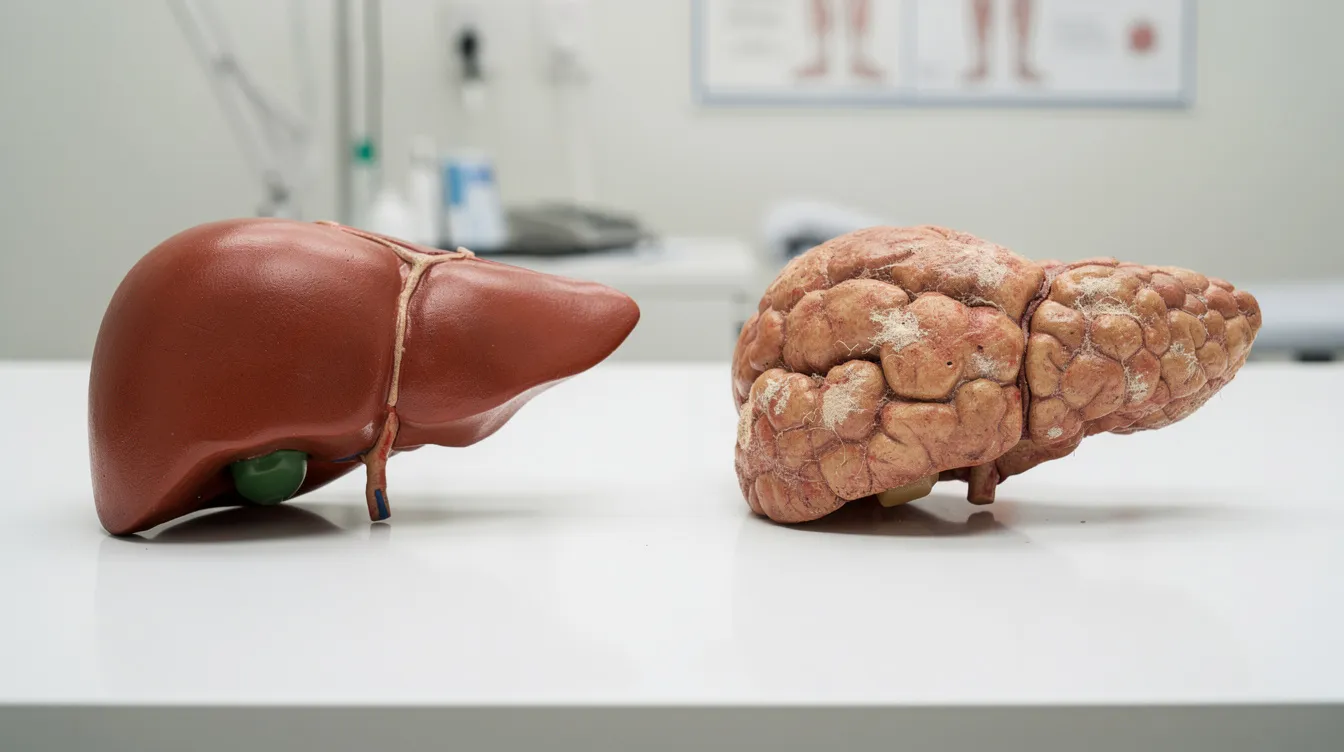
Cirrhosis is the end result of long-standing liver injury. When liver cells are repeatedly damaged - by fat accumulation, alcohol, viruses, or toxins - the body responds with inflammation. Over time, activated stellate cells deposit collagen and extracellular matrix, replacing functional liver cells with scar tissue. This distorts blood flow through the liver, compresses bile ducts, and impairs the organ's ability to detoxify, synthesize proteins, and regulate metabolism.
The common pathways follow a predictable pattern across years to decades:
- Fatty liver disease (NAFLD/NASH): Begins with hepatic steatosis driven by insulin resistance, obesity, and high-sugar diets. Progresses to steatohepatitis, then perisinusoidal liver fibrosis, bridging fibrosis, and ultimately cirrhosis over 10–20+ years.
- Alcohol associated liver disease: Chronic heavy drinking causes oxidative stress, acetaldehyde damage, and repeated hepatocyte injury, gradually building hepatic fibrosis.
- Chronic hepatitis (B and C): Persistent HCV infection or chronic hepatitis B creates ongoing liver injury through immune-mediated damage, leading to progressive fibrosis.
The difference between compensated cirrhosis and decompensated cirrhosis is critical. In compensated cirrhosis, patients may have few or no symptoms and preserved liver function. Decompensated cirrhosis involves serious complications: ascites, esophageal varices and variceal bleeding, jaundice, and hepatic encephalopathy. Ascites occurs in 5% to 10% of cirrhosis patients annually, marking a significant turning point in prognosis.
For many people, cirrhosis is silent until late stages. That is exactly why lifestyle changes should begin as soon as chronic liver disease is diagnosed - not after severe liver damage has already occurred. Today, transient elastography is replacing liver biopsy for fibrosis staging, making earlier detection more accessible. Early fibrosis from fatty liver or chronic hepatitis can sometimes partially improve with weight loss, antiviral therapy, and sustained lifestyle change, but advanced fibrosis with architectural distortion is usually not reversible.
Major Causes of Cirrhosis Today (And What They Mean for Your Lifestyle)
Your lifestyle strategy should be tailored to the root cause of your liver disease. A one-size-fits-all approach misses the mark. Here is how the major causes break down:
Fatty liver and nonalcoholic fatty liver disease: NAFLD is now the dominant cause of chronic liver disease in many high-income countries. It is tightly linked to abdominal obesity, insulin resistance, diabetes mellitus, and diets high in fructose and refined sugars. Obesity increases the risk of liver disease progression substantially. The primary "medicines" are diet, movement, and weight management. Weight loss can reduce fat in the liver for NAFLD patients - clinical data shows that losing 7–10% of body weight often resolves steatohepatitis and improves fibrosis score. In some cases, bariatric surgery improves liver histopathology in obese patients who cannot achieve sufficient weight loss through diet alone.
Alcoholic liver disease: The dose–time relationship of alcohol consumption matters, but genetics, sex, and co-factors like hepatitis C virus infection or obesity shift the threshold. Some people develop alcoholic cirrhosis even at "moderate" intake levels. Once liver damage is present, complete abstinence is the only safe lifestyle. There is no negotiating a "safe" amount.
Chronic hepatitis B and C: Unchecked chronic HCV or chronic hepatitis B inflames the liver for decades, with roughly 5–25% of chronic HCV patients progressing to cirrhosis over 10–20 years. The dual lifestyle goal is supporting immunity and detox pathways while enabling antiviral treatment to work more effectively.
Other causes - autoimmune hepatitis, primary biliary cholangitis, primary sclerosing cholangitis, hemochromatosis, Wilson's disease - also require careful nutrition, toxin avoidance, and sometimes special diets (for example, low-copper in Wilson's) alongside medical therapy.
Alcohol and Your Liver: Why "Just One Drink" is Not Harmless in Cirrhosis
For anyone with cirrhosis of the liver - whether from alcoholic liver disease, NASH, or mixed causes - lifetime 100% abstinence from alcohol is the standard recommendation. Abstaining from alcohol is critical to managing liver cirrhosis at every stage. There is no "safe" level once scarring exists.
The numbers are stark: as little as 2 drinks per day for women or 3–4 for men over years can significantly raise cirrhosis risk, especially with co-factors like hepatitis C or obesity. A large meta-analysis of 19 studies found that patients who maintained alcohol abstinence had approximately 40% better overall survival compared to those who continued to drink alcohol - with survival curves diverging clearly at roughly 1.5 to 2 years of sustained abstinence.
When alcohol hits an already damaged liver, the consequences are amplified:
- Quicker intoxication due to reduced metabolic capacity
- Impaired glutathione-dependent detox pathways
- Worsening fatty changes and liver inflammation
- Accelerated fibrosis and risk of disease progression to end stage liver disease
Practical steps for staying alcohol-free:
- Remove alcohol from your home environment entirely
- Replace evening drinking rituals with herbal teas, sparkling water with citrus, or diluted juices
- Use social scripts for declining drinks ("I'm on a medical protocol" works without lengthy explanations)
- Seek professional support or peer programs if alcohol use disorder is present
Books by Dr. Johnny Delirious materials, especially the story of his journey from death's door to liver expert, approach alcohol-related habits through a self-sabotage lens, helping readers understand the emotional roots of drinking and build "Master Survivor" coping skills that address the underlying patterns driving the behavior.
Nutrition Foundations for Cirrhosis and Chronic Liver Disease
Nutrition is the most powerful daily lever patients with cirrhosis control. For fatty liver disease and chronic hepatitis alike, what you eat - and when - directly influences liver inflammation, fibrosis progression, and muscle preservation. A balanced diet focusing on whole foods is important for those with liver cirrhosis. Nutritional needs in liver cirrhosis vary depending on the severity and complications present, so individual guidance matters.
Calories and weight: For overweight adult patients with compensated cirrhosis and fatty liver, slow, steady weight loss of about 0.5–1 lb per week is usually safest. Weight loss can reduce liver fat and inflammation meaningfully. However, in decompensated cirrhosis, the risk of malnutrition and muscle wasting is high, so energy intake must remain sufficient - sometimes even energy-dense - to prevent further decline.
Protein: The old advice to restrict protein in all cirrhosis patients is outdated. A high-protein diet is crucial to prevent muscle wasting in liver cirrhosis patients. Current evidence supports 1.2–1.5 g/kg of ideal body weight per day of protein from lean animal sources, plant proteins, and branched-chain amino acids (BCAAs), unless a specialist has restricted intake for severe hepatic encephalopathy that is not responding to standard treatment.
The "liver-supportive" plate:
| Component | Examples | Why It Matters |
|---|---|---|
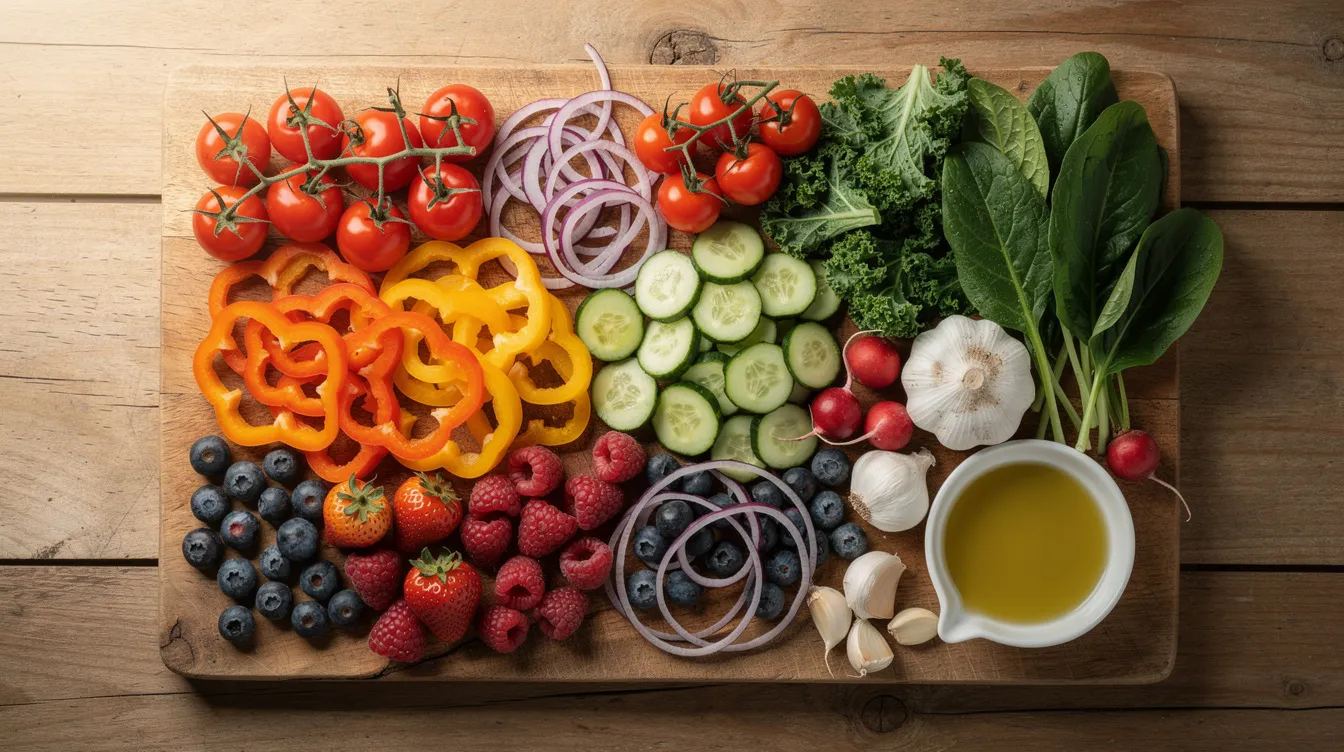
| Colorful vegetables | Leafy greens, cruciferous, bell peppers | Detox enzyme support, antioxidants |
| Clean protein | Fish, poultry, legumes, eggs | Muscle preservation, albumin synthesis |
| High-fiber starches | Oats, quinoa, sweet potatoes | Insulin sensitivity, bile acid binding |
| Healthy fats | Olive oil, omega-3 sources | Anti-inflammatory, cell membrane repair |
| Modest fruit | Berries, citrus (small portions) | Vitamin C, polyphenols |
Frequent small meals can help prevent muscle breakdown and manage energy levels - particularly important because the cirrhotic liver has reduced glycogen storage capacity and patients can enter a fasting-like metabolic state overnight.
Books by Dr. Johnny publications use food-based therapies rooted in both modern hepatic science and Ancient Greek ideas of balancing hot/cold and dry/moist qualities through tailored meals, giving readers a framework that goes beyond calorie counting, very much in line with Mediterranean diet-based liver recovery principles.

Specific Foods to Favor for Liver Repair and Detox Support
Rather than generic "eat healthy" advice, here are specific food categories that support liver health:
- Leafy greens and cruciferous vegetables (kale, dandelion greens, arugula, broccoli, Brussels sprouts): These support phase I and phase II detox enzymes and bile flow. Sulforaphane and indole compounds modulate hepatic stellate cell activation. Aim for at least 1–2 cups daily, cooked or raw.
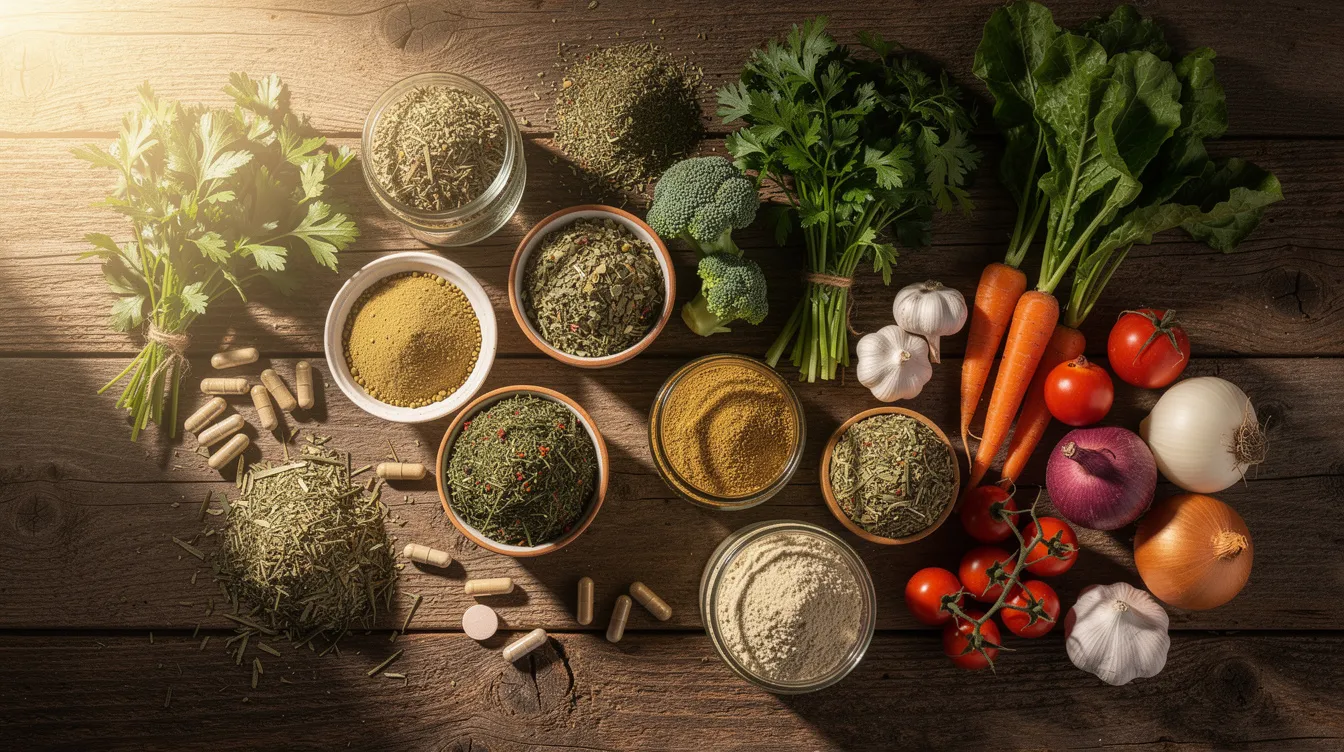
- Allium family (garlic, onions, leeks): Rich in sulfur compounds like allicin that assist glutathione production and modulate inflammatory cytokines. Use fresh preparations when possible for maximum benefit.
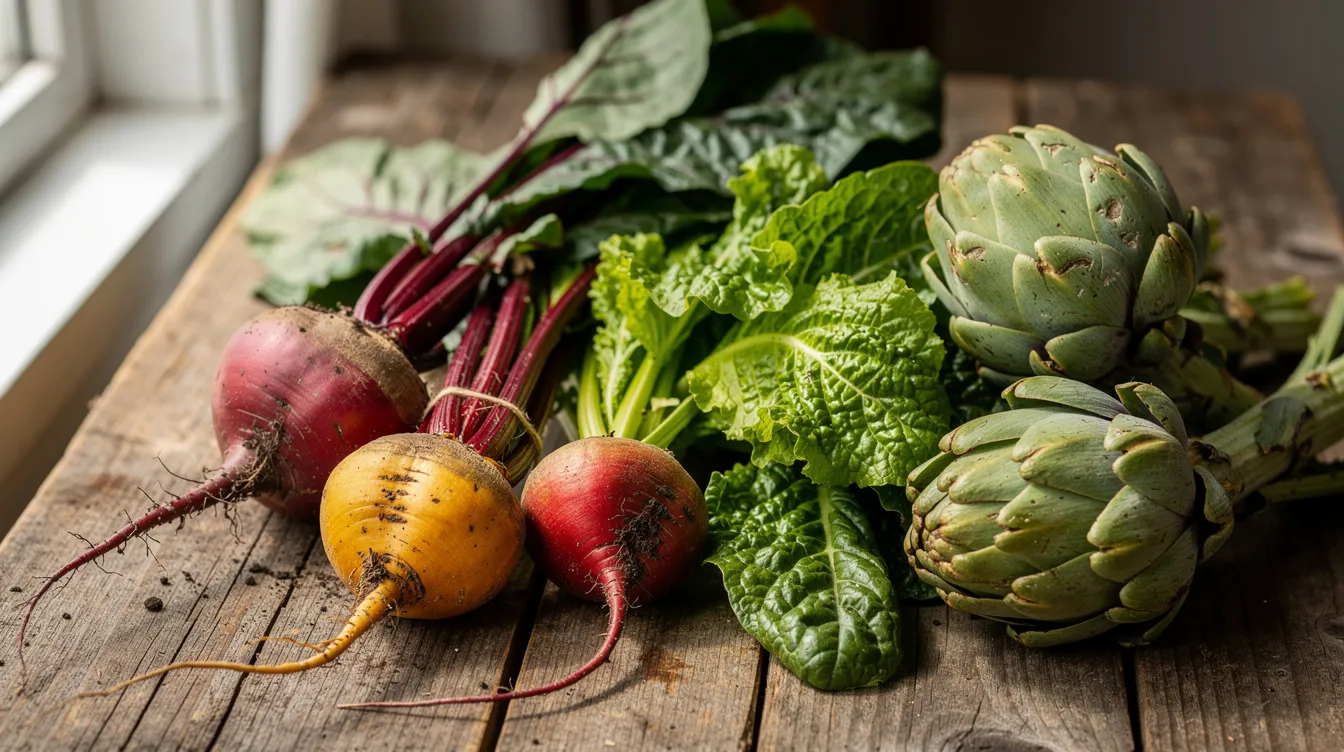
- Bitter herbs and foods (dandelion leaf, chicory, artichoke, radicchio): Traditional use centers on stimulating bile production and supporting sluggish digestion. This connects directly to Ancient Greek "choleric" balancing concepts - using bitter tonics to move stagnant bile and reduce liver congestion.
- High-fiber foods (oats, legumes, flax or chia seeds, apples, pears): Fiber binds bile acids, supports cholesterol metabolism, improves insulin sensitivity in fatty liver, and feeds beneficial gut bacteria that reduce endotoxin load.
- Antioxidant fruits (berries, pomegranate, citrus): Provide vitamin C and polyphenols that reduce oxidative damage. Keep portions small and avoid fruit juice and very high-fructose loads in insulin-resistant patients, as excess fructose drives hepatic lipogenesis.
Foods and Substances to Limit or Avoid with Cirrhosis
A cirrhotic liver has reduced capacity to process toxins, refined sugars, and damaged fats. Even small dietary "cheats" can have outsized effects on liver enzymes and inflammation.
- Added sugars and refined carbs: Sharply limit sodas, pastries, white bread, candy, and prepared foods loaded with high-fructose corn syrup. These directly worsen fatty liver and metabolic syndrome.
- Industrial seed oils and deep-fried foods: Frequent intake of corn, soybean, and other highly processed oils promotes oxidative stress and liver inflammation. Favor olive oil and whole-food fat sources instead.
- Excess salt and ultra-processed packaged foods: Limiting sodium intake helps manage fluid retention in liver cirrhosis. For patients with ascites, sodium targets are often 2,000 mg/day or less, determined in consultation with the care team.
- Undercooked shellfish and high-risk raw foods: Infections from Vibrio species or other bacteria can be catastrophic in cirrhosis, where immune defenses are compromised. Safe food handling is important for individuals with liver cirrhosis to prevent infections. Stick to well-cooked seafood and pasteurized dairy.
- Unregulated weight-loss products, bodybuilding supplements, and "detox" teas: Many herbal supplements and concentrated extracts have been linked to liver injury. When in doubt, avoid them entirely.
Hydration, Caffeine, and Non-Alcoholic Beverages
What you drink daily matters as much as what you eat:
- Water and herbal infusions: Stay hydrated with clean water and gentle herbal teas like chamomile and lemon balm. Avoid aggressive self-directed diuretic teas that can disturb electrolytes.
- Coffee: Moderate coffee intake (2–3 cups per day if tolerated) may reduce fibrosis progression and lower hepatocellular carcinoma risk in chronic liver disease. Skip the sugary syrup-laden coffee drinks.
- Soft drinks and energy drinks: Avoid sugary sodas and high-caffeine energy drinks. They worsen fatty liver and strain the cardiovascular system, raising blood pressure unnecessarily.
- Fluid management in advanced cirrhosis: Any fluid restriction in patients with fluid overload must be individualized by a physician. Do not self-impose severe restrictions based on internet advice - kidney function and electrolyte balance are too delicate to guess at.
Movement and Exercise: Protecting the Liver by Moving the Body
Regular movement improves insulin sensitivity, reduces liver fat, and preserves muscle mass - all strongly linked to survival in chronic liver disease. Regular physical activity enhances insulin sensitivity in liver patients, addressing one of the core metabolic drivers of fatty liver disease.
For fatty liver and compensated cirrhosis: Aim for at least 150 minutes per week of moderate-intensity aerobic activity (brisk walking, cycling, swimming) plus 2 resistance sessions, adjusted for fatigue levels. Aerobic exercise reduced hepatic triglyceride content by 21% in clinical studies. One pilot study of home-based exercise combined with BCAA-enriched nutrition over 12 weeks showed sarcopenia resolution in approximately 92% of participants with compensated cirrhosis, along with significant improvements in functional capacity.
A 3-month diet and exercise program reduced liver enzymes and decreased body mass index from 31 to 28 kg/m² in adult patients with fatty liver. Systematic reviews confirm that when exercise plus nutrition interventions extend 12 months or longer, albumin levels and skeletal muscle index improve significantly. Moderate physical activity is beneficial for muscle strength in cirrhosis management at every stage.
For decompensated cirrhosis: Gentle, supervised activity - short walks, light chair exercises, seated resistance bands - focuses on maintaining strength and balance rather than aggressive weight loss.
Realistic examples for chronic fatigue:
- 10-minute walks after meals
- Light stretching morning and evening
- Resistance bands at home, 2–3 times weekly
Books by Dr. Johnny educational programs integrate movement with nervous-system calming practices, offering more than standard "gym-style" exercise prescriptions.

Medications, Herbs, and Supplements: Using Them Safely with a Vulnerable Liver
The liver processes most prescription medicines and herbs. In cirrhosis, metabolic enzyme systems (CYP450, phase I/II detoxification) and biliary excretion are compromised. Compromised liver function necessitates caution with medications, vitamins, and supplements - "natural" does not automatically mean safe.
- Over-the-counter pain relievers: Acetaminophen at reduced doses (often under 2 g/day with medical guidance) may be safer than NSAIDs, which carry risks of kidney injury, bleeding from portal hypertension, and sodium retention.
- Prescription drugs: Never stop antivirals, diuretics, lactulose, or other critical liver medicines without medical guidance, even when beginning natural protocols. These manage ongoing liver injury and prevent acute decompensation.
- Herbal supports with evidence: Clinical trials show silymarin (from milk thistle), curcumin, berberine, and resveratrol may benefit fatty liver disease and alcoholic liver disease - but quality, dose, and drug interactions matter enormously.
- Herbal risks: Concentrated green tea extracts, multi-herb weight loss products, and bodybuilding stacks have all been implicated in severe liver injury. Use only third-party-tested products.
Books by Dr. Johnny Delirious materials emphasize food-first, single-herb or simple formula use, and often recommend Hair Tissue Mineral Analysis (HTMA) before aggressive supplementation to avoid copper or iron overload - imbalances that are common in advanced liver disease and can worsen oxidative stress, reflecting Dr. Johnny's naturopathic doctor approach to liver recovery and the broader comparison of hair mineral analysis vs. blood and urine testing.
Preventing Infections, Vaccinations, and Everyday Toxin Avoidance
People with cirrhosis face impaired innate and adaptive immunity, making them more vulnerable to severe infections and environmental toxins.
Vaccinations: Regular vaccinations are recommended to protect against infections in cirrhosis patients. Up-to-date hepatitis A and hepatitis B vaccines, annual influenza, pneumococcal (with boosters every 3–5 years), and COVID-19 vaccines are standard recommendations. Immune response may be blunted in advanced cirrhosis, so higher or accelerated dosing schedules are sometimes used. Confirm schedules with your clinician.
Food and water safety: Avoid raw oysters, raw shellfish, unpasteurized milk, and unregulated well water. Safe food handling is non-negotiable - wash produce thoroughly, cook meats fully, and be cautious with prepared foods from questionable sources.
Household and workplace toxins: Read labels on cleaning products. Use gloves and masks with solvents, paints, or pesticides. Choose natural cleaning products when possible. Reduce exposure to aflatoxin by storing grains and nuts properly.
Managing Stress, Sleep, and Emotional Triggers in Liver Disease
In both holistic and Ancient Greek traditions, emotional states - anger, frustration, chronic fear - are understood to directly influence liver function. Modern psychoneuroimmunology supports this: chronic stress hormones worsen insulin resistance, blood sugar swings, and systemic inflammation, all of which accelerate fatty liver disease and chronic hepatitis progression.
Sleep hygiene: Aiming for 7–9 hours of quality sleep supports liver regeneration cycles. Poor sleep is linked to higher liver enzymes, more insulin resistance, and impaired recovery. Simple practices: consistent bedtimes, darkened rooms, avoiding screens an hour before bed.
Nervous-system regulation: Daily practices like slow breathing, short meditative walks, or journaling to discharge anger and resentment can shift autonomic balance from sympathetic overdrive toward parasympathetic recovery. For a deeper understanding of how sympathetic dominance impacts healing, explore how to get out of sympathetic dominance effectively and related holistic health insights from Dr. Johnny's blog.
Books by Dr. Johnny Delirious promotes "Master Survivor" mindset work - encouraging readers to view cirrhosis recovery as not only a physical protocol but also a transformation away from self-sabotaging patterns toward self-respecting choices, themes he explores deeply in From Breaking Point to Breakthrough.

Special Considerations: Decompensated Cirrhosis and When to Seek Urgent Care
Decompensated cirrhosis means cirrhosis complicated by ascites, variceal bleeding, hepatic encephalopathy, or jaundice. Lifestyle changes alone are not enough at this stage. Medical intervention is essential.
Red-flag symptoms requiring immediate medical contact:
- Vomiting blood or black tarry stools (indicating variceal bleeding or GI hemorrhage)
- Sudden confusion, disorientation, or personality change (hepatic encephalopathy)
- Severe abdominal swelling with pain or fever
- Rapidly worsening jaundice
- Shortness of breath
At this stage, salt restriction, diuretics, and sometimes procedures like paracentesis or TIPS (transjugular intrahepatic portosystemic shunt) are used to manage complications. Nutrition must be more carefully individualized - often energy-dense, higher-protein diets to prevent muscle loss and chronic liver failure.
Liver transplantation is an option for some cirrhosis patients with decompensated disease. The role of holistic lifestyle shifts at this stage is to support medical treatment, maintain strength, and prepare the body and mind should a liver transplant evaluation be needed. Liver transplant recipients who maintained better pre-transplant fitness and nutrition often have smoother recoveries.
Create an action plan with your care team so you know exactly when to go to the hospital and which numbers to call.
Liver Cirrhosis in the Context of Hepatitis B, Hepatitis C, and HCV Infection Recovery
Chronic hepatitis B and chronic hepatitis C can silently inflame the liver for decades, leading to cirrhosis and liver cancer if untreated. The hepatitis C virus is particularly insidious - many people carry it for years without symptoms, sometimes having acquired it through blood transfusion, shared needles, or other exposure decades ago.
For chronic hepatitis C and HCV infection: modern direct-acting antivirals (DAAs) typically cure over 95% of patients within about 8–12 weeks of oral treatment. Antiviral medicines can cure over 95% of chronic hepatitis C cases, drastically reducing future cirrhosis risk. However, patients with chronic HCV who already have cirrhosis still need ongoing hepatocellular carcinoma surveillance even after cure.
For chronic hepatitis B: cure (functional cure with HBsAg loss) remains rare. Long-term antiviral treatment can suppress the virus, decrease liver inflammation, and reduce liver cancer risk. Complementary integrative approaches to healing hepatitis can work alongside these therapies. Lifestyle support remains crucial - including strict avoidance of alcohol, weight control to prevent fatty liver overlay, and avoidance of liver-toxic medications and herbs.
Books by Dr. Johnny Delirious offers educational guidance on supporting hepatitis recovery with food-based therapies, HTMA-guided mineral balancing, and gentle detox aligned with antiviral treatment - not in opposition to it. For Dr. Johnny's personal story of overcoming hepatitis C, see Hepatitis C, CURED, his account of Hepatitis A cirrhosis recovery and liver detoxification, and the complementary memoir on Hepatitis C cured through natural detoxification, along with its Spanish edition, Curado de la Hepatitis C.
Integrating Ancient Greek Healing and HTMA into Modern Liver Care
Ancient Greek medicine viewed the liver as central to the "humors" - especially blood and bile. Imbalance of hot/cold and wet/dry qualities corresponded to what we now call inflammation (excess heat) and congestion (excess moisture/phlegm). Bitter herbs, timed meals, and food quality adjustments were the primary interventions.
Hair Tissue Mineral Analysis (HTMA) offers a modern tool for assessing long-term mineral patterns - copper, zinc, sodium, potassium, calcium, magnesium - that influence detox pathways, oxidative stress, and adrenal-thyroid balance. Resources that explain HTMA for unlocking your body's mineral balance can help patients understand these patterns. In cirrhosis, elevated copper and reduced zinc are common findings that contribute to oxidative damage and impaired immune function.
Combining HTMA findings with standard lab work (serum copper, zinc, ferritin, ceruloplasmin, complete blood count) enables individualized protocols: adjusting copper and iron status in chronic hepatitis, supporting magnesium and potassium in fluid-retaining patients, or monitoring heavy metals, approaches that parallel the advanced training in The Master Survivor University doctoral health program.
Ancient Greek-inspired rituals - timed meals, bitter tonics before dinner, warm oil applications - can be integrated with current science to support bile flow, digestion, and nervous-system calm. For a deeper exploration of how the body can heal itself from disease, understanding these connections is essential; readers who prefer French can also explore Hépatite C, Guérie for Dr. Johnny's detailed healing story.
Books by Dr. Johnny Delirious serves as a bridge between ancient wisdom and contemporary liver science, especially for readers seeking more than conventional symptom-management alone.
Working with Your Medical Team While Following a Holistic Path
Even the most committed holistic protocol should not replace critical surveillance. Monitoring and following clinical guidelines is essential for managing liver cirrhosis effectively. This includes:
- Regular lab work: liver enzymes (ALT, AST, ALP, GGT), bilirubin, albumin, prothrombin time/INR, platelet ratio index, kidney function, and electrolytes
- Abdominal ultrasound every 6 months for hepatocellular carcinoma screening in cirrhosis
- Endoscopy when portal hypertension is suspected, to check for esophageal varices
- Other imaging tests and blood count monitoring as indicated
It is important to get professional guidance when managing liver disease through diet. Bring your supplement lists and holistic plans to appointments so hepatologists can check for interactions. Ask constructive questions: What is your current Child-Pugh or MELD score? Do you have compensated or decompensated cirrhosis? What specific lifestyle goals does the team recommend?
Patients who combine medical management with methodical nutrition, movement, stress work, and toxin avoidance often tolerate treatment more easily and may delay disease progression. Books by Dr. Johnny resources - including the transformative messages in Dr. Johnny Delirious' books and his broader collection of holistic health books - are designed as adjuncts, helping patients organize questions, track lifestyle data, and stay engaged between visits.
Frequently Asked Questions About Cirrhosis Lifestyle Changes
Can lifestyle changes ever improve existing cirrhosis, or only prevent it from getting worse?
Early, compensated cirrhosis caused by fatty liver disease or viral hepatitis can sometimes show partial regression of fibrosis on imaging or elastography when the cause is aggressively treated - for example, antiviral cure of HCV infection, 7–10% weight loss, or complete alcohol abstinence. A multicenter study found that approximately 33.8% of patients with alcohol-associated decompensated cirrhosis achieved recompensation by 5 years after sustained abstinence, with improved MELD and Child-Pugh scores. Even when scar tissue does not fully disappear, liver function can improve significantly, symptoms can lessen, and the risk of decompensation and liver cancer can fall. Sixty percent of patients showed histologic improvement after one year of diet therapy in fatty liver studies. Advanced, decompensated cirrhosis is less likely to reverse anatomy, but lifestyle still matters greatly for comfort, strength, and transplant preparation. Explore more about natural approaches in How to Reverse Liver Cirrhosis Naturally.
Is it safe to follow popular "liver detox" cleanses if I already have cirrhosis?
Most aggressive detox cleanses - juice-only fasts, high-dose laxative herbs, or multi-herb "flushes" - are not recommended in cirrhosis and can lead to dehydration, electrolyte imbalances, and even acute liver injury. A safer approach is gentle, food-centered detoxification: whole foods, fiber, adequate protein, and moderate movement supported by simple, well-studied herbs if approved by a clinician. Books by Dr. Johnny favors long-term, sustainable detoxification through mineral balancing, digestive support, and daily habits rather than short, extreme cleanses.
How much weight should I try to lose if I have fatty liver-related cirrhosis?
In overweight patients, a loss of about 7–10% of starting body weight over several months has been associated with meaningful improvements in fatty liver disease and liver enzymes. A 9.3% weight loss specifically improves liver enzyme levels in patients with NAFLD. Rapid weight loss or severe calorie restriction can worsen malnutrition and muscle wasting in cirrhosis, so any plan should be monitored by a clinician or dietitian experienced in liver disease. Combine modest calorie reduction with increased physical activity and higher-protein, nutrient-dense meals to protect muscle while reducing visceral fat - body weight management should prioritize body composition, not just the scale number.
Should I stop drinking coffee or tea if my liver is damaged?
For most people with chronic liver disease, black coffee in moderate amounts appears protective and may reduce the risk of progression to cirrhosis and liver cancer. Avoid very sugary coffee drinks and extremely high caffeine intakes, especially in patients with anxiety or severe portal hypertension. Herbal teas vary widely: mild options like chamomile, peppermint, or rooibos are usually well tolerated, but concentrated green tea extracts (doi 10.1016 references document cases) and strong multi-herb blends labeled as "Clin Liver Dis" formulas or weight-loss teas can carry risk of liver injury.
Do I need to avoid all supplements if I have chronic hepatitis or cirrhosis?
Describe the item or answer the question so that site visitors who are interested get more information. You can emphasize this text with bullets, italics or bold, and add links.
Turn Liver Crisis into a Healing Journey - Books by Dr. Johnny Can Help
If you are living with fatty liver disease, chronic hepatitis, alcohol associated liver disease, or cirrhosis, you do not have to navigate this path alone. Books by Dr. Johnny Delirious offers resources built specifically for people who want more than conventional symptom management - who want to understand the roots of their chronic illness and rebuild their health from the foundation up, including a curated bookstore of holistic health titles and PDFs and the Master Survivor University wellness products and recovery programs store.
The forthcoming anthology From Self-Sabotage to Master Survivor (target release December 2025) combines scientific liver research, food-based therapies, HTMA-informed protocols, and Ancient Greek healing wisdom into a practical guide for transformation, expanding on the unconventional healing journey described in Master Survivor: Alternative Healing Beyond PhD. Master Survivor University offers digital courses and tools for implementing liver cirrhosis lifestyle changes: personalized nutrition blueprints, stress-regulation practices, and step-by-step habit change systems, expanding on the "Master Survivor" journey described in Master Survivor, Beyond PhD and the broader natural health education and healing curriculum.
Join the Books by Dr. Johnny community to learn how to rebuild your health foundations, address emotional self-sabotage, and become an active participant in your liver recovery journey - alongside, not instead of, your medical care, and reach out directly to Dr. Johnny with questions or collaboration requests.
Take one concrete step today. Remove alcohol from your house. Schedule your labs. Plan a liver-supportive grocery list. Whatever the step, take it now - and let Books by Dr. Johnny materials serve as ongoing guidance and inspiration as you move from crisis toward mastery.

Recent Posts