Healing Journey Counseling with Dr. Johnny Delirious
Key Takeaways
- Healing journey counseling is a trauma-informed, holistic approach that supports mind, body, and spirit—especially for individuals with chronic illness or long-standing emotional pain.
- This educational framework focuses on self-help resources (books, guides, and online programs) rather than a brick-and-mortar therapy clinic, while still mirroring the supportive, counseling-style experience.
- Evidence-informed methods including nutrition, nervous-system regulation, and Ancient Greek-inspired healing practices can complement or follow traditional counseling and therapy.
- Common issues addressed include anxiety, trauma, self-sabotage, chronic fatigue, and digestive problems—all approached through a structured healing process that supports genuine recovery.
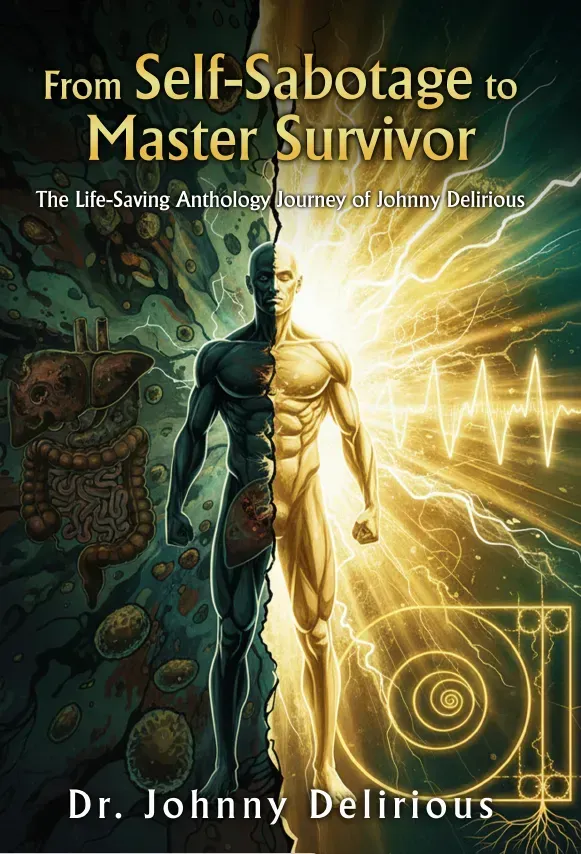
- The upcoming anthology “From Self-Sabotage to Master Survivor” (December 2025) and Master Survivor University offer practical next steps for anyone ready to begin their healing journey.
Welcome to Healing Journey Counseling
If you have spent years navigating chronic illness, emotional burnout, or cycles of self-sabotage that no amount of willpower seems to break, you are not alone. Many people feel stuck—unable to find answers in conventional 15-minute medical appointments that reduce their complex story to a checklist of symptoms and prescriptions.
This healing journey counseling article comes from a naturopathic physician and author who publishes self-healing and holistic health books. Unlike a traditional therapy office where you schedule an appointment and sit across from clinicians in a clinical setting, this approach meets you on the page and through digital education. The goal is to create a safe space where your full story matters.
Healing is not a single event. It unfolds as a journey with stages, setbacks, and breakthroughs. Rather than promising a quick fix, this model invites you into a slower, narrative-based process supported by education, self-reflection, and holistic practices. The tone here is non-judgmental, science-informed yet open to ancient wisdom—designed for individuals who may distrust purely pharmaceutical solutions and are ready to explore something different.

What Is Healing Journey Counseling?
Healing journey counseling blends counseling-style guidance with holistic self-healing tools that help you understand, reframe, and actively change your health story. While traditional therapy often focuses primarily on thoughts and emotions through modalities like cognitive behavioral therapy or talk therapy, this approach considers the whole person—nutrition, sleep, gut health, environment, and spiritual meaning all matter in the healing process.
This model validates both medical trauma (such as being dismissed by healthcare providers or receiving delayed diagnoses) and emotional trauma (childhood neglect, relationship abuse, or loss) as interconnected parts of your healing picture. Research in trauma therapy consistently shows that the body stores experiences, and addressing only the mind leaves critical foundations unrepaired.
The relationship here is collaborative. Whether working with a practitioner or engaging with educational materials, you are positioned as the primary healer of your own life. The guide—whether a person, book, or course—serves as an educator and ally who provides tools, frameworks, and compassion while you do the authentic work of transformation.
This philosophy underlies the upcoming anthology “From Self-Sabotage to Master Survivor,” scheduled for release in December 2025. Each chapter functions like a guided counseling session, walking you through specific challenges with reflective questions, practical exercises, and evidence-informed strategies.
Who Can Benefit from a Healing Journey Approach?
The healing journey model serves a specific kind of person—someone whose experience has not fit neatly into conventional treatment categories.
Common profiles include:
| Profile | Typical Experiences |
|---|---|
| Typical Experiences Chronic illness sufferers | Fatigue, autoimmune conditions, long COVID, IBS, fibromyalgia that hasn’t responded fully to conventional care |
| Emotional exhaustion | Functioning at work but collapsing at home; caught in patterns of people-pleasing, overworking, or emotional eating |
| Trauma survivors | Childhood emotional abuse, medical misdiagnosis, narcissistic relationships; sensing the body is still “holding the story” |
| Midlife transitions | Adults ages 35–60 navigating burnout, perimenopause, divorce, grief, or major life changes seeking a spiritually anchored roadmap |
| Caregivers and empaths | Those who chronically neglect their own health while tending to others; women especially fall into this catego |
If you recognize yourself in any of these descriptions, a structured healing journey can provide the guidance and support you have been missing. This approach addresses both the emotional concerns that keep you stuck and the physical patterns that drain your energy.
Core Principles of Healing Journey Counseling
The healing journey rests on several foundational principles that distinguish it from conventional treatment approaches:
- The Body Keeps the Score Physical symptoms—migraines, gut issues, joint pain, chronic fatigue—are viewed as messages rather than random malfunctions. Your body is communicating, and the task is to listen with curiosity rather than frustration.
- Food as Foundational Therapy Nutrition provides raw materials for neurotransmitters, hormones, and tissue repair. Before complex interventions, stabilizing blood sugar, supporting gut health, and reducing inflammatory triggers create a foundation for all other healing work.
- Nervous-System Repair Before Heavy Processing Attempting to process deep trauma while your nervous system remains dysregulated often backfires. Building skills for regulation—breathing, grounding, resourcing—must come first.
- Gentle Pace Over Quick Fixes Sustainable healing happens over months and years, not days. This approach honors the body’s natural repair timeline rather than demanding immediate transformation.
- Radical Self-Honesty Without Self-Blame Tracking patterns between flare-ups, stress, relationships, and lifestyle habits requires honesty. But self-responsibility never means blaming yourself for your illness—it means partnering with your body’s intelligence.
- Ancient Wisdom Integrated with Modern Science The Greek concept of “physis”—the innate healing force of nature—informs this work. Your body has an inherent drive toward balance and repair; the task is removing obstacles and providing support for that natural process.
Common Issues Addressed on the Healing Journey
Emotional Concerns
- Generalized anxiety and panic episodes
- Lingering grief that doesn’t resolve with time
- Complex trauma and PTSD symptoms
- Perfectionism and self-sabotaging behaviors
- Depression and emotional numbness
- Substance abuse patterns or eating disorder tendencies
- Relationship difficulties and attachment wounds
Physical Patterns
- IBS, gut dysbiosis, and digestive dysfunction
- Chronic fatigue and persistent brain fog
- Hormonal imbalances affecting mood and energy
- Recurring infections and immune dysfunction
- Unexplained pain syndromes
- Sleep disturbances that don’t respond to standard interventions
These issues frequently overlap. Trauma survivors often develop autoimmune-like symptoms, while individuals with chronic illness commonly experience depression and social withdrawal. The healing journey approach recognizes these connections and addresses the whole picture rather than treating symptoms in isolation.
Real-world example: A woman in her mid-40s spent years cycling through specialists for fatigue, digestive issues, and anxiety. Each provider addressed one piece—a gastroenterologist for her gut, a psychiatrist for anxiety—but nothing improved her overall functioning. When she began tracking her patterns and addressing nervous-system regulation alongside nutritional foundations, she moved from survival mode to a more regulated, empowered state over 18 months of consistent practice, reflecting a shift toward the master survivor journey beyond conventional paths.
Holistic Tools Used in a Healing Journey
The healing journey utilizes several categories of tools, each serving a specific purpose in the overall process, many of which are explored in Dr. Johnny’s holistic health insights and tips:
Narrative and Reflective Practices
Structured journaling prompts—similar to therapy homework—help you map triggers, track symptoms, and recognize small shifts over weeks and months. Writing creates distance from overwhelming experiences and allows patterns to emerge that you might miss otherwise.
Nervous-System Regulation
Somatic psychotherapy principles inform daily practices that can be completed in under 10 minutes. Paced breathing, orienting exercises, and gentle movement gradually shift your baseline from chronic activation toward greater calm and resilience by exiting sympathetic dominance.
Nutrition and Detox Support
Food-based strategies stabilize blood sugar, support liver and gut function, and reduce inflammatory triggers. These form the biochemical foundation that makes emotional work more sustainable.
Meaning-Making and Spiritual Integration
Creating a new narrative about your experiences—what they taught you, how they shaped you, what purpose they might serve—transforms suffering into growth. This doesn’t minimize pain but integrates it into a coherent life story.
These tools are stacked over a 6–12 month period rather than crammed into intense weeks, making the process sustainable for teens and adults alike, especially those with low energy reserves.

Nervous-System Regulation and Trauma-Informed Support
Trauma survivors often live in chronic fight-flight-freeze states, and this directly impacts digestion, hormones, and immune function. The nervous system, stuck in survival mode, cannot allocate resources toward repair and regeneration.
Simple practices you can begin at home:
- 4-6-8 breathing: Inhale for 4 counts, hold for 6, exhale for 8. This activates the parasympathetic nervous system and signals safety to your body.
- Daily micro-pauses: Set three alarms throughout the day to pause for 60 seconds, notice your body, and take three conscious breaths.
- Brief body scans: Spend 2-3 minutes noticing sensations without trying to change them. This builds interoceptive awareness gradually.
While modalities like EMDR require trained therapists in a clinical setting, this educational approach focuses on preparatory skills: grounding, titration (small doses of activation followed by regulation), and resourcing (building internal and external supports).
If you are already working with a therapist, these practices can help you feel more stable and empowered between sessions. Pacing is central: no forcing of traumatic material before the nervous system has adequate regulation tools in place.
Nutrition, Ancient Healing, and the Body’s Repair Systems
Strategic nutrition acts as a daily counseling session for the body—providing raw materials for neurotransmitters, hormones, and tissue repair. Without adequate nutrition, the body simply cannot heal, regardless of how much emotional work you do.
Ancient Greek-inspired concepts offer surprising relevance. The idea of balancing qualities (hot/cold, moist/dry) parallels modern understanding of mineral balancing and anti-inflammatory approaches. The Greeks understood that health required harmony, not the suppression of symptoms.
Example 12-week foundational protocol (educational, not prescriptive):
| Weeks | Focus Area | Key Practice |
|---|---|---|
| 1-4 | Hydration and minerals | Spring water with trace minerals, mineral-rich bone broths, sea vegetables |
| 5-8 | Gut foundation | Fermented foods, prebiotic fibers, removing major inflammatory triggers |
| 9-12 | Targeted support | Working with qualified providers to add specific supplements based on individual needs |
| This approach is educational—you are urged to explore these concepts with qualified providers for personalized protocols and to coordinate with your existing medical care. The synergy of food, rest, sunlight, and emotional work practiced consistently over 6–12 months reflects the slow but real pace of cellular healing. |
Stages of a Healing Journey
The healing journey unfolds through predictable stages, though progress is rarely linear. Understanding where you are helps you tailor your approach and set realistic expectations.
Stage 1: Awakening You recognize that something needs to change. Perhaps a health crisis, a relationship ending, or simply hitting a wall with conventional approaches sparks this moment. The focus here is discovering patterns and acknowledging that your current approach isn’t working.
Stage 2: Stabilization Building safety and regulation becomes the priority. You develop basic routines around sleep, nutrition, and nervous-system practices. The goal is not dramatic change but establishing a foundation of support.
Stage 3: Deep Repair With stability in place, you can begin addressing root causes—trauma processing, deeper nutritional interventions, family patterns, and relationship dynamics. Family therapy or individual counseling often becomes valuable at this stage.
Stage 4: Integration New insights and capacities become woven into daily life. You develop a coherent narrative about your journey and begin to sense a renewed sense of purpose and direction.
Stage 5: Master Survivor You move forward with hard-won wisdom, resilience, and the ability to support others on their journeys. This doesn’t mean perfection or the absence of challenges—it means a fundamentally different relationship with yourself and your health.
Self-assessment indicators:
| Stage | Symptom Severity | Emotional Resilience | Clarity of Purpose |
|---|---|---|---|
| Awakening | High/overwhelmi | Low | Confused |
| Stabilization | Moderate/fluctuating | Building | Emerging |
| Deep Repair | Decreasing | Strengthening | Developing |
| Integration | Manageable | Strong | Clear |
| Master Survivor | Minimal | Robust | Fully articulated |
| These stages map directly to the “From Self-Sabotage to Master Survivor” framework, where each chapter guides readers through these developmental steps with specific exercises and milestones. |

How Our Books and Programs Support Your Healing Journey
Rather than offering one-on-one clinical therapy, we provide deeply guided educational resources that simulate a counseling experience on the page or in digital modules. This makes quality support accessible to residents anywhere, regardless of insurance status or access to specialized clinicians.
“From Self-Sabotage to Master Survivor” (December 2025) This anthology serves as a structured, step-by-step companion for your journey. Each chapter functions like a guided session, complete with:
- Reflective questions that help you explore your patterns
- Checklists for tracking progress
- Sample meal frameworks and protocols
- Weekly action steps calibrated for low-energy states
Master Survivor University Our online education platform offers courses, downloadable workbooks, and group-focused learning rooted in natural medicine and trauma-aware psychology. Whether you prefer self-paced modules or live training sessions, resources are designed to tailor to your needs and pace, and you can contact Dr. Johnny directly with questions about books or educational offerings.
When you work through a book or course module, expect a consulting-style experience: you bring your unique situation, the material provides frameworks and tools, and your job is to experiment, track results, and adjust. This collaborative approach mirrors the best of journey counseling while making it accessible through education.
Join our community: Sign up for our email list to receive early sample chapters, launch dates, and bonus tools like printable tracking sheets. Contact us through the website to learn more about upcoming telehealth office hours and group programs.
Taking Your Next Step
Wherever you are right now—exhausted, skeptical, or cautiously hopeful—acknowledging your current reality is the first step. You don’t need to overhaul your life this week. You need to choose one small, specific action.
Concrete next steps to consider:
- Start a 7-day symptom and mood log. Track energy, sleep quality, digestion, and emotional state at the same time each day. Patterns will emerge.
- Introduce a daily nervous-system practice. Even 3 minutes of 4-6-8 breathing before bed can begin shifting your baseline.
- Read a free introductory guide from our catalog. Explore our wellness guides designed for chronic illness, emotional trauma, and those seeking alternatives to purely pharmaceutical models.
Healing journeys rarely move in a straight line. Setbacks are not failures—they are information that can be understood and integrated with the right tools. If you have been unable to make progress through sheer willpower, that does not mean you are broken. It means you need a different approach.
You are not a person who is fundamentally flawed. You are a person in process—and the combination of education, self-compassion, and practical action can reshape your health story. The peace you are seeking is not a destination you arrive at once and forever. It is a quality of life you cultivate through consistent, compassionate practice.
Your healing journey can begin today, in this moment, with whatever small step feels possible.
Frequently Asked Questions About Healing Journey Counseling with Dr. Johnny Delirious
Is healing journey counseling a replacement for traditional therapy or medical care?
This approach is designed to complement, not replace, licensed psychotherapy and medical treatment—especially for serious mental health conditions or acute physical illness. If you are experiencing severe depression, active suicidal thoughts, or medical emergencies, please contact appropriate mental health professionals or emergency services immediately.
We advise maintaining relationships with your primary care provider and any specialists while using books and courses as educational adjuncts. Any medication changes or major diet and supplement shifts should be made under professional supervision. Our materials work best as part of an integrated approach to your overall care.
How long does a typical healing journey take?
Many people notice meaningful shifts within 8–12 weeks of consistent practice—improved sleep, better stress tolerance, and clearer thinking. However, deeper nervous-system repair and metabolic healing often unfolds over 6–24 months of sustained effort.
Timelines vary significantly based on severity of illness, trauma history, age, and current life stressors. Comparing yourself to others is rarely helpful. We encourage measuring progress in terms of functioning and quality of life—energy levels, sleep quality, mood stability, relationship health—rather than only symptom elimination.
Can I start this journey if I’m completely overwhelmed and burnt out?
Absolutely. The framework is specifically built for people in burnout and survival mode. We start with tiny, low-effort practices designed to rebuild capacity gradually rather than demanding dramatic changes from depleted systems.
Begin with one 5-minute daily ritual: paced breathing before bed, a warm mineral-rich drink in the morning, or a brief body scan upon waking. Once a basic sense of safety and routine is in place, deeper work on trauma, nutrition, and life changes becomes sustainable. The key is matching your practices to your current capacity.
Do your books and programs work if I’m already in therapy?
Many readers use our materials as a bridge between therapy sessions. They bring insights, food logs, emotional patterns, and observations from workbook exercises into conversations with their therapists. This often enriches the therapeutic work and helps both parties understand what is happening between sessions.
We encourage you to share relevant exercises or tracking tools with your therapist or healthcare team to coordinate care. Clinicians generally appreciate when clients arrive with clear observations and questions. Your therapist may adapt or modify suggestions to fit your specific clinical context and treatment goals.
What if I’ve tried many healing approaches and nothing has helped?
We understand “healing fatigue”—the discouragement that comes from trying multiple diets, supplements, protocols, or therapies without lasting relief. Often, the issue is not that nothing works, but that interventions were attempted in the wrong sequence or without adequate foundational support.
The healing journey model prioritizes sequence and foundations: nervous-system regulation and basic nourishment come before complex protocols or intensive trauma processing. This approach encourages a slower, more experimental mindset—tracking what genuinely helps, releasing what doesn’t, and trusting that even small, consistent shifts accumulate over time into meaningful change.
Recent Posts