



Explore how narrative practice can transform personal stories into pathways for healing. Discover practical insights to support your journey. Read more!

Explore the stages of addiction in this comprehensive guide. Gain insights and tools for understanding and addressing addiction. Read the article now.

Explore effective holistic treatments for hepatitis C with natural approaches that can support your healing journey. Read the article for valuable insights.
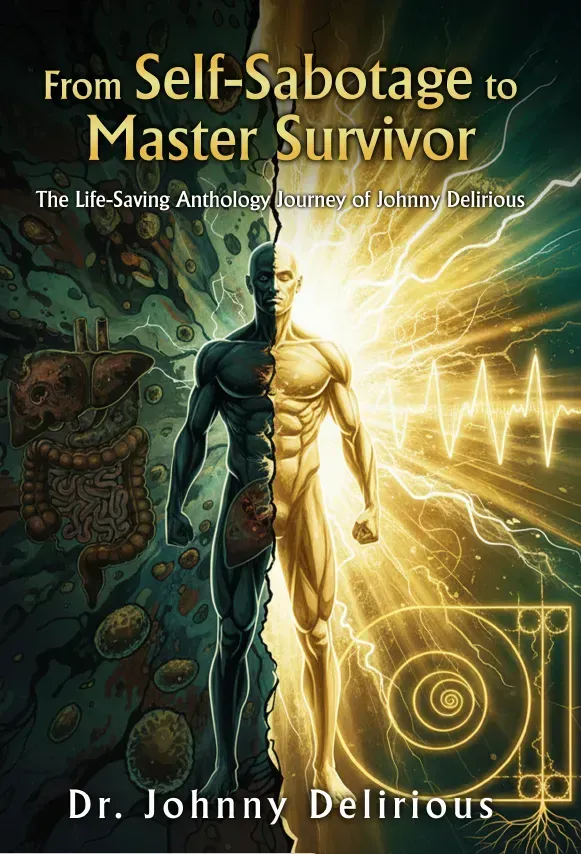
There are many stories of survival, and then there are stories that redefine what survival truly means. In From Self-Sabotage to Master Survivor , Dr. Johnny Delirious delivers a deeply personal and unfiltered account of a life that refused to end quietly. This is not a polished, distant narrative. It is raw, immediate, and real. Dr. Johnny’s journey moves through addiction, illness, loss, and moments where life stood on the edge of collapse. He does not soften the reality. There are nights filled with fear, days marked by physical breakdown, and a constant confrontation with his own choices. Yet, what emerges from these experiences is not defeat, but transformation. At the heart of the book is a simple but powerful idea: survival is not accidental. It is intentional. What makes this work compelling is how it shifts the reader’s perspective. Survival is no longer just about escaping death or overcoming disease. It becomes a discipline, a mindset that requires awareness, responsibility, and a willingness to rebuild from the inside out. Through his experiences, Dr. Johnny introduces the concept of the “Master Survivor,” not as a title, but as a state of being that exists within anyone willing to fight for it. The narrative also explores the limitations of conventional thinking around health and healing. Instead of presenting rigid answers, the book invites readers to question, to reflect, and to reconnect with their own bodies in a more meaningful way. It blends lived experience with practical insight, making it both personal and purposeful. What stays with you is not just the story, but the honesty behind it. There is no pretense here. No attempt to appear perfect. Only a man who has faced the consequences of his past, endured the weight of loss, and chosen, repeatedly, to rise again. That choice becomes the central message of the book. For readers navigating their own struggles, whether physical, emotional, or personal, this book offers something rare: not false hope, but grounded belief. Dr. Johnny Delirious is a naturopathic practitioner with decades of experience and the creator of the Master Survivor philosophy. His work focuses on helping individuals reclaim control over their health and their lives through awareness and discipline. This is the kind of story that doesn’t fade once you’ve finished reading. It lingers, challenges, and quietly reshapes the way you think about loss, survival, and what it truly means to rebuild a life. Dr. Johnny Delirious doesn’t just share experiences; he invites readers into a deeper conversation about resilience, purpose, and transformation. Those who want to explore his work further, follow his ongoing message, or connect with his Master Survivor philosophy can do so here: Website: https://drjohnny.net Insta : drjohnnydelirious2026 Facebook: https://www.facebook.com/DrJohnnyDelirious/

Learn how the need for greed turns ambition into addiction. Read how greed, toxic ambition, and the never-enough mindset affect the mind.

Explore how the body can heal itself from disease, understanding its innate capabilities. Discover the science behind natural healing—read more now!

Embark on a healing journey towards emotional wellness and personal growth. Discover practical strategies and insights to support your path. Read more.

Discover the truth about corporate greed in healthcare and reclaim your health with Dr. Johnny's groundbreaking book "The Need for Greed".

Overcome liver cirrhosis with Dr. Johnny's transformative naturopathic guide. Discover his personal journey and natural remedies for regenerative liver healing..

Discover how to get out of sympathetic dominance effectively with holistic techniques. Learn to tone your vagus nerve and achieve nervous system balance.