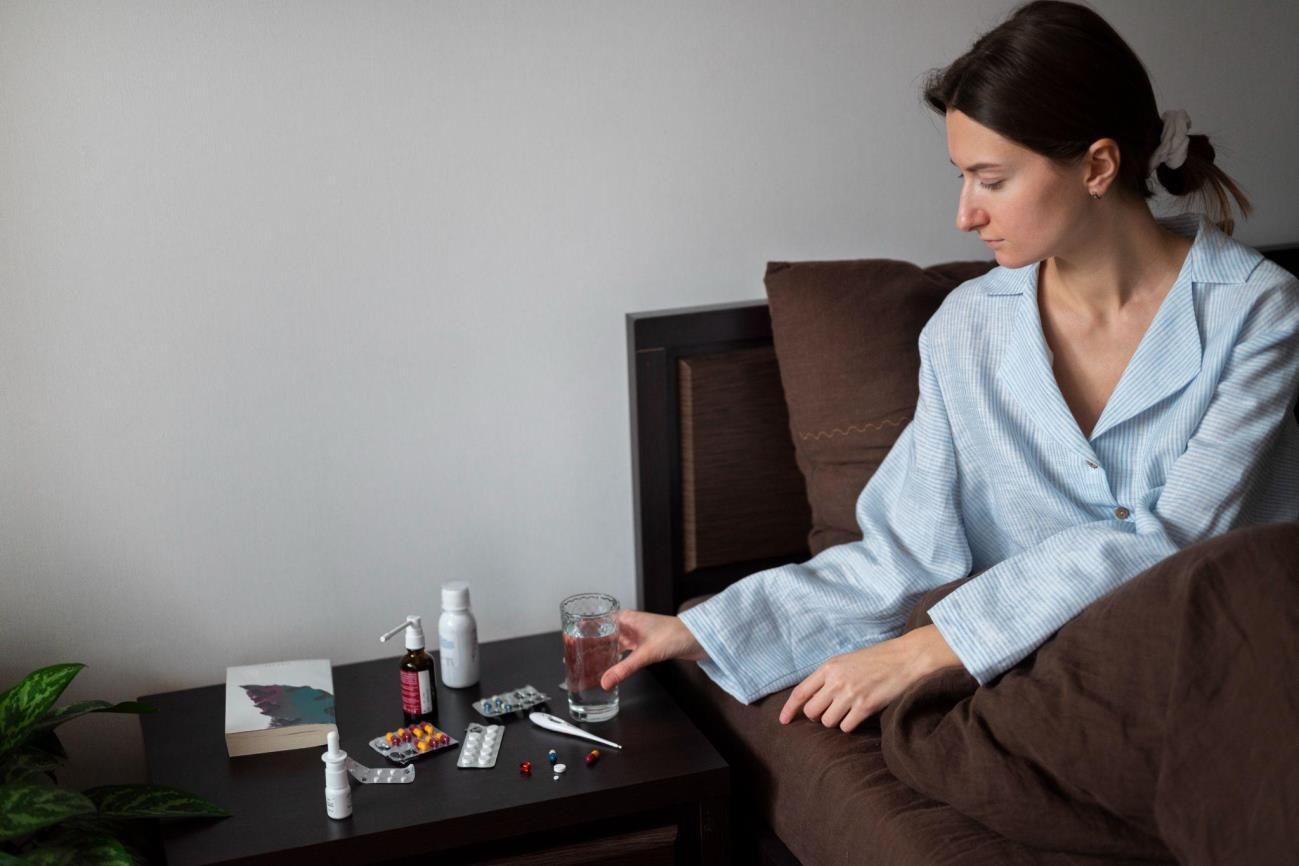
Can the Body Heal Itself From Disease?
The question of whether the human body can heal itself from disease is one that millions of chronically ill people ask every day. The answer may reshape how you approach your health journey.
Key Takeaways
- Yes, the human body is biologically designed to heal itself from many diseases through immune, detoxification, repair, and regenerative systems that operate continuously at the cellular level.
- Modern lifestyle factors—processed foods, chronic stress, environmental toxins, and sleep deprivation—often block these natural healing pathways, contributing to the epidemic of chronic illness.
- Holistic strategies including nutrient-dense food, targeted detoxification support, gentle movement, and mind-body practices can dramatically boost the body’s natural healing capacity.
- While emergency medicine remains vital for trauma and acute crises, long-term recovery from chronic disease typically requires daily self-care and lifestyle modifications.
- Our educational work through books like the forthcoming anthology “From Self-Sabotage to Master Survivor” and Master Survivor University focuses on teaching practical, step-by-step methods to reactivate the body’s own healing intelligence.
Is the Body Really Designed to Heal Itself?
Every second of every day, your cells are engaged in an extraordinary symphony of repair, renewal, and protection. Right now, as you read this, your body is detecting and repairing DNA damage, eliminating dysfunctional cells through a process called apoptosis, and neutralizing potentially harmful substances across various organs. This isn’t wishful thinking—it’s basic human biology that has evolved over millions of years.
Consider everyday examples that demonstrate this remarkable capacity. When you cut your finger, the wound closes within days through a coordinated cascade of clotting, inflammation, and tissue regeneration. When a viral infection takes hold, your immune system mounts a sophisticated response that typically resolves the illness within 7-10 days. When you fracture a bone, new bone cells begin forming almost immediately, knitting the break together over 6-8 weeks.
The healing process is not a miracle reserved for special cases—it’s the default biological program written into every cell of the human body. Where conventional care often focuses on suppressing symptoms with pills or surgeries, your body’s underlying drive is always toward balance (homeostasis) and repair. This perspective aligns with both ancient Greek medicine and modern holistic approaches: disease often arises not because the body forgot how to heal, but because this self-healing program has become blocked, overloaded, or confused by factors we can identify and address.
How the Body Heals Itself: Core Natural Defense and Repair Systems
Understanding how your body heals requires a clear, science-informed tour of your main healing systems. These aren’t abstract concepts—they’re real biological networks operating inside you right now. When you understand how they work, you can begin supporting them more effectively.
These systems include your immune response, inflammation pathways, cell regeneration mechanisms, detoxification organs, microbiome, and nervous and endocrine systems. They work in constant communication, and chronic disease typically appears when one or more of these systems becomes exhausted or blocked. Supporting these systems holistically often proves more powerful long-term than simply adding external treatments.
The Immune System: Your Inner Surveillance and Repair Network
Your immune system functions as a 24/7 surveillance and repair force composed of white blood cells, lymph organs (thymus, spleen, lymph nodes), and signaling molecules called cytokines. This network forms your first line of defense against threats both external and internal.
Immune cells continuously identify and neutralize viruses, bacteria, fungi, and emerging cancer cells—often before you ever experience a single symptom. The system also clears away damaged cells and debris after injury or fight infection, making room for new healthy tissue to form. Memory cells created during previous infections enable faster responses to reinfections, with studies suggesting immune memory prevents up to 90% of repeat infections.
When your body encounters a seasonal virus, for example, this system orchestrates fever to create an inhospitable environment for pathogens, mucus production to trap and expel invaders, and antibody creation for long-term protection. However, chronic inflammation, autoimmunity, and immune suppression are signs that this system’s intelligence has become disrupted—usually by lifestyle factors we can modify.
Inflammation: First Responder, Not the Enemy
Inflammation has developed a bad reputation, but acute inflammation is actually a vital part of your body’s reaction to injury and infection. The redness, heat, swelling, and pain you feel after stubbing your toe or getting a cut represent a helpful, time-limited healing response.
The basic sequence works like this: blood vessels widen to increase blood flow to the injured area, immune cells flood the region, damaged tissue is dismantled and removed, and repair signals are released to initiate regeneration. Neutrophils and mast cells remove necrotic tissue post-trauma, releasing chemotactic factors that recruit macrophages and cytokines to regulate muscle stem cells activation, proliferation, and differentiation.
The critical distinction is between acute and chronic inflammation. Acute inflammation lasts days to weeks and resolves naturally—consider a sprained ankle healing over 2-4 weeks when allowed to proceed without interference. Chronic inflammation, however, can silently smolder for years, driving heart disease, diabetes, arthritis, and cancer. Lifestyle factors like excess sugar, industrial seed oils, smoking, and chronic stress often convert protective inflammation into this disease-driving form.
Cell Regeneration, Stem Cells, and Tissue Repair
Many tissues in your body completely renew themselves over weeks to months through constant cell turnover. This regenerative capacity is one of the most remarkable aspects of human health.
Stem cells serve as “master cells” that can differentiate into various specialized cell types, helping rebuild damaged tissue throughout life. Both embryonic stem cells and adult stem cells play roles in development and ongoing maintenance, though adult stem cells are primarily responsible for day-to-day tissue repair in mature humans.
Consider these concrete examples of cell regeneration:
- Your skin completely regenerates roughly every 4 weeks through epidermal turnover
- The intestinal lining turns over in just 3-5 days
- Blood cells are continuously produced in bone marrow
- Bone cells remodel over several months following a fracture
- Liver regeneration can restore the organ to full size in 8-10 weeks after surgical resection
Regenerative capacity does decrease with age, toxin load, nutrient deficiency, and chronic stress—but research shows it can be partially restored with healthier habits. While stem cell therapy and regenerative medicine represent exciting frontiers, lifestyle choices still determine long-term outcomes for healthy cells throughout your body.
Detoxification: How the Body Clears Toxins and Waste
Your body possesses sophisticated systems for neutralizing and excreting both internal metabolic waste products and external pollutants. The liver, kidneys, lymphatic system, lungs, skin, and gut collaborate daily to perform this essential function across various organs.
The liver plays a central role, converting fat-soluble toxins into water-soluble forms that can be eliminated via urine or bile. This process happens continuously—alcohol is typically broken down within hours, and common medications clear the system over 24-72 hours through these pathways.
Antioxidant systems including glutathione, vitamin C, and enzymes like superoxide dismutase protect cells from free radical damage. A University of Florida discovery identified molecules that boost natural antioxidant powers independently of external vitamin supplements, potentially enhancing oxidative stress resistance through the body’s own mechanisms.
However, chronic exposure to pesticides, heavy metals, plastics, and pharmaceuticals can overwhelm detoxification pathways. Supporting these systems nutritionally and through lifestyle modifications becomes essential for those dealing with medical conditions linked to toxic burden.
The Microbiome: Hidden Ally in Immunity and Repair
Your microbiome consists of trillions of microbes—bacteria, fungi, and viruses—inhabiting your gut, skin, mouth, and other tissues. Far from being passive passengers, these organisms play active roles in human health.
Beneficial gut bacteria help digest food, produce vitamins, train the immune system to distinguish friend from foe, and maintain the integrity of the gut barrier that serves as a protective barrier against pathogens. Research increasingly links dysbiosis (microbial imbalance) with autoimmune diseases, depression, obesity, and digestive disorders.
Antibiotics, processed foods, sugar, and chronic stress damage the microbiome and reduce your self-healing capacity. Rebuilding a healthy microbial ecosystem through whole foods, fiber, and fermented foods represents a key component of natural healing—essentially restoring an ancient symbiotic relationship that modern life has disrupted.
The Nervous and Endocrine Systems: Stress, Hormones, and Healing
Your autonomic nervous system constantly toggles between two modes: “fight or flight” (sympathetic) for responding to threats, and “rest, digest, and repair” (parasympathetic) for long-term maintenance and healing. This balance profoundly affects every aspect of your body’s ability to recover.
Chronic stress traps people in fight-or-flight mode, diverting resources away from digestion, reproduction, and long-term repair functions. Hormonal systems including the adrenals, thyroid, sex hormones, and insulin strongly influence immune function, inflammation levels, and tissue repair capacity.
Consider how chronically elevated cortisol from ongoing stress suppresses immunity, thins the gut lining, and impairs sleep quality. Research shows that practices activating the parasympathetic “relaxation response” can lower cortisol by 20-30%, improve heart rate variability by 10-25%, and reduce inflammatory markers. Cultivating calm through practices that address sympathetic dominance—such as breathing exercises, somatic work, and vagus nerve toning—isn’t merely nice to have; it’s biologically necessary for deep healing.
Why the Body Sometimes Fails to Heal Itself
Your body doesn’t “forget” how to heal. Instead, healing systems become blocked, confused, or overwhelmed by factors that exceed their design capacity. Understanding this distinction is empowering rather than discouraging.
Chronic disease—whether autoimmune, metabolic, neurological, or digestive—typically represents a sign of long-standing overload rather than sudden random failure. The body has been compensating, often for years or decades, until compensation is no longer possible.
Key blocking factors include:
- Nutrient deficiencies: Without adequate nutrition including proteins, vitamins, and minerals, cells lack the raw materials for repair
- Toxic load: Accumulated pesticides, heavy metals, and synthetic chemicals overwhelm detoxification capacity
- Chronic inflammation: Low-grade inflammation that never resolves drives tissue damage
- Unresolved infections: Lingering bacterial, viral, or fungal infections drain immune resources
- Emotional trauma: Unprocessed grief, fear, or stress keeps the nervous system in fight-or-flight
- Sleep deprivation: Without enough sleep, the brain’s glymphatic system cannot clear waste products and repair processes stall
Consider someone who suffered from migraines, fatigue, and digestive issues for years. Medical testing revealed nothing conclusive. But when they addressed sleep quality, eliminated inflammatory foods, and began processing long-held emotional stress, symptoms gradually improved over several months. This pattern repeats across countless cases—not because disease wasn’t “real,” but because root causes were never identified.
The holistic perspective encourages looking across physical, emotional, environmental, and spiritual dimensions rather than searching for a single magic bullet.
Practical Ways to Boost the Body’s Natural Healing Process
This section provides the most actionable guidance for readers with chronic symptoms seeking concrete daily practices. These strategies require no expensive tests or treatments to begin—they’re foundational and can start this week.
The approaches covered here are expanded in detail through our educational resources, including Dr. Johnny’s transformative books and programs, the forthcoming anthology “From Self-Sabotage to Master Survivor,” and Master Survivor University programs for those wanting structured guidance.
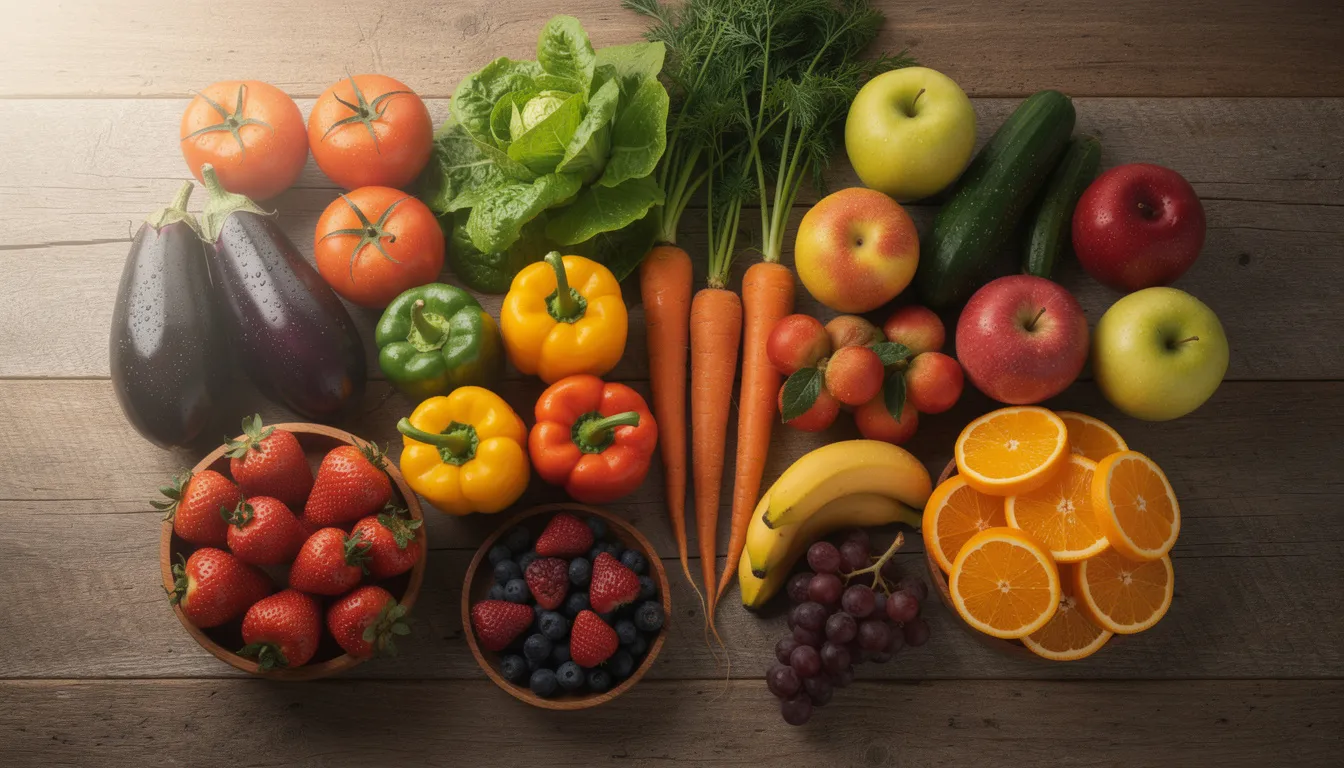
Food as Medicine: Nutritional Foundations for Self-Healing
Every cell in your body is literally built from the food you eat, making nutrition the most direct way to support the healing process. This isn’t abstract theory—it’s basic molecular genetics and cellular biology.
Focus on shifting toward whole, unprocessed foods:
| Include More | Reduce or Remove |
|---|---|
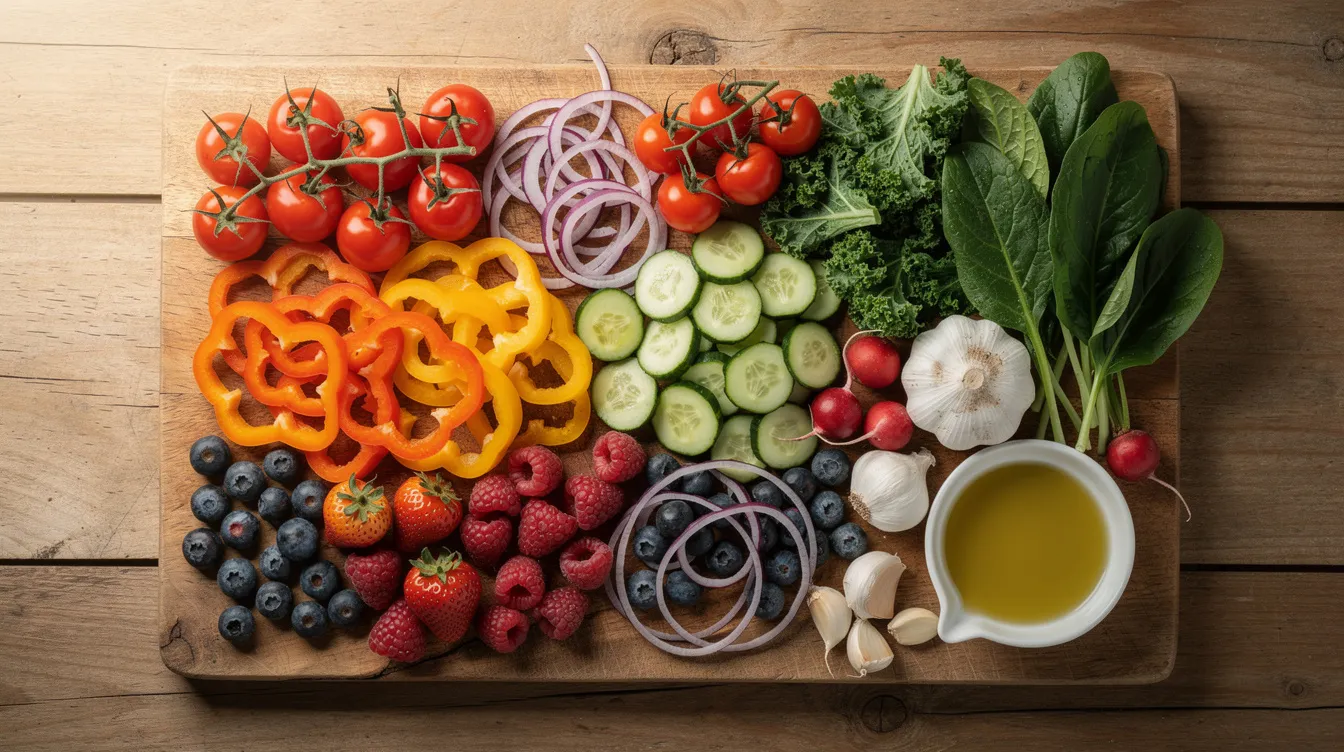
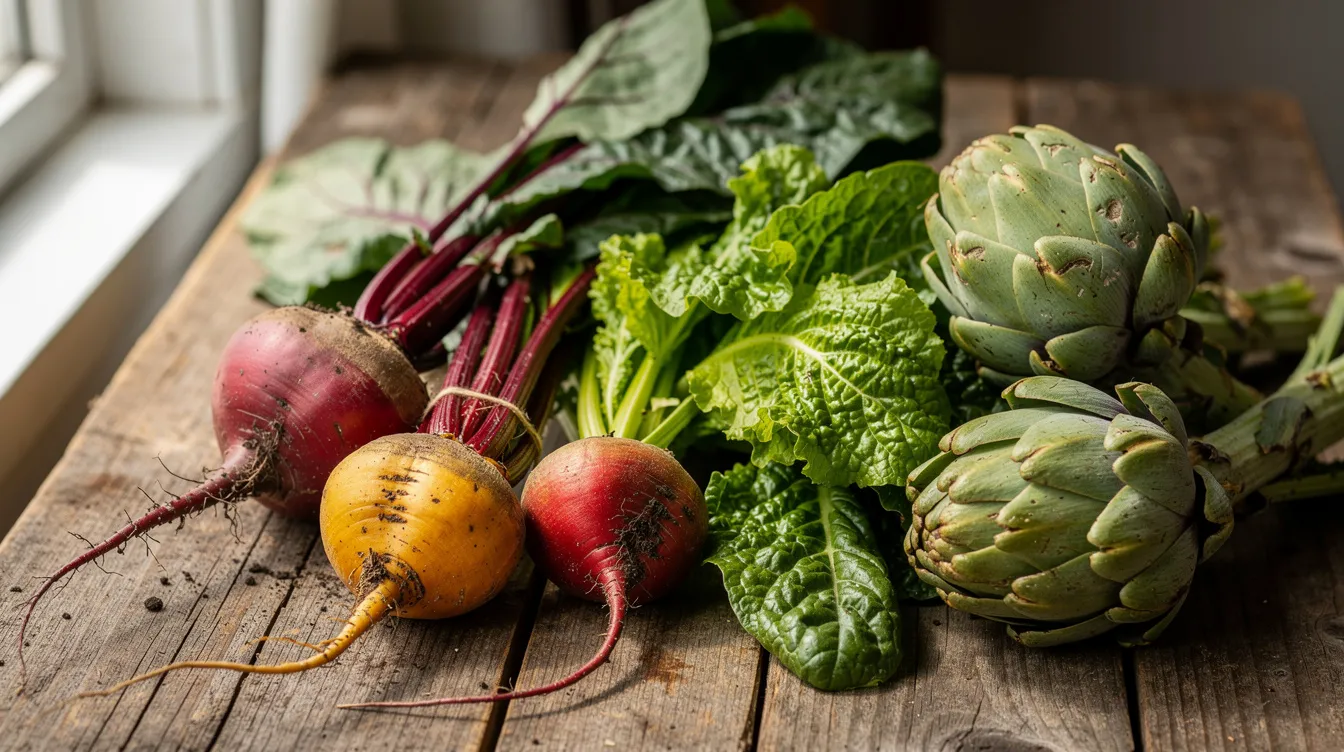
| Leafy greens and colorful vegetables | Refined sugar and white flour |
| Berries and other low-sugar fruits | Industrial seed oils (canola, soybean) |
| Clean proteins (wild fish, pastured eggs) | Heavily processed meats |
| Healthy fats (olive oil, avocado) | Excess alcohol |
| Ancient grains or root vegetables | Artificial additives and preservatives |
| Specific anti-inflammatory foods to emphasize include garlic, turmeric, ginger, wild-caught fish, and extra-virgin olive oil. Consider removing common healing blockers for 30 days to assess your body’s response. |
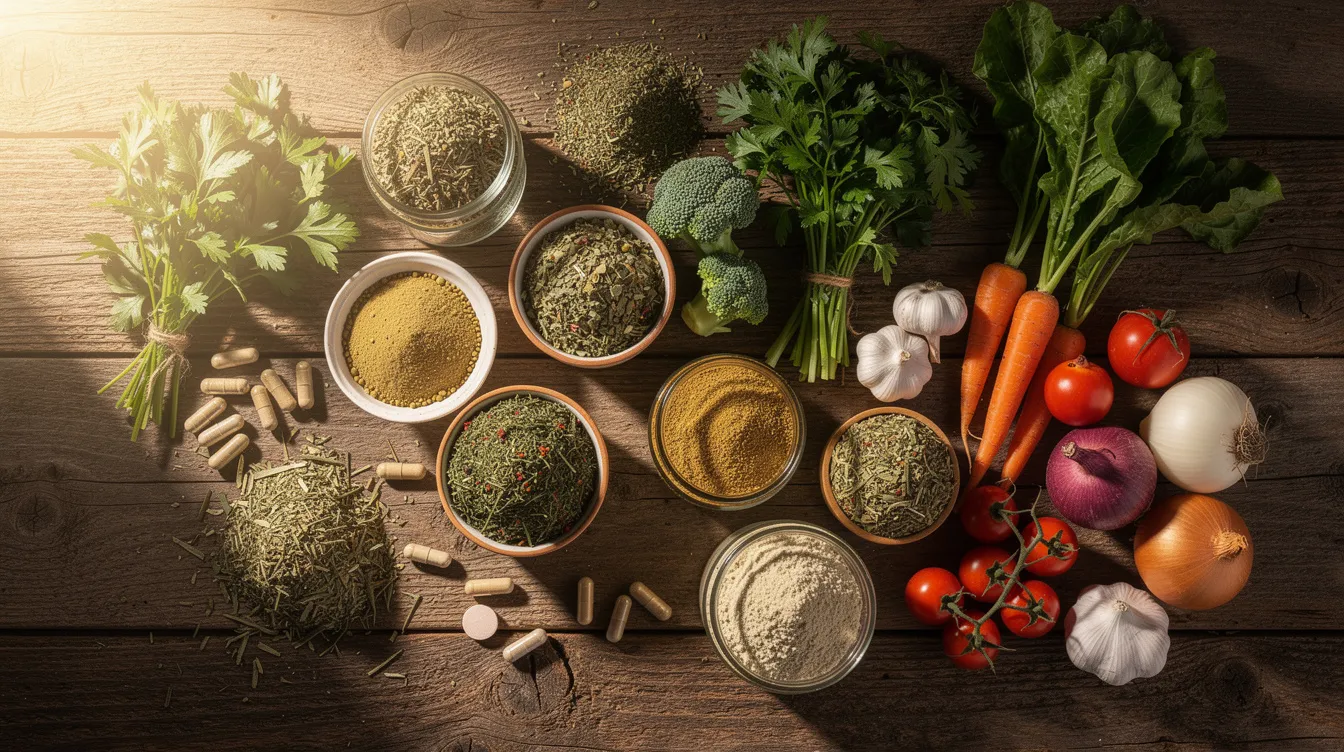
Strategic use of healing broths, herbal teas, and mineral-rich foods like sea vegetables, pumpkin seeds, and nuts helps replenish depleted bodies. Studies show nutrient-dense diets correlate with 20-30% faster wound healing rates and significantly better outcomes in tissue regeneration.
Movement and Circulation: Gentle Exercise to Activate Repair
The goal isn’t athletic performance—it’s circulation. Getting blood, lymph, and nutrients moving allows tissues to receive oxygen and remove waste products more efficiently.
Realistic starting points for chronically ill or fatigued readers:
- 10-20 minutes of daily walking
- Light stretching or gentle yoga
- Simple movement breaks throughout the day
- Chair-based exercises if mobility is limited
Muscle contractions stimulate lymph flow, which has no pump of its own and relies on movement. The lymphatic system is essential for immune function and detoxification, making gentle exercise a vital part of patient care.
Research shows moderate aerobic activity can reduce chronic inflammation markers like C-reactive protein by 25-40% over 12 weeks, while practices like yoga integrate muscular relaxation with parasympathetic activation. Spending part of your movement time outdoors combines exercise with natural light and fresh air—additional healing supports.
However, over-exercising when very ill can backfire. Increase activity slowly and respect your current energy limits.
Sleep and Daily Rhythm: When Most Repair Actually Happens
Deep healing of brain, hormones, and immune system occurs primarily during sleep. The brain’s glymphatic system, which clears metabolic waste and potentially harmful plaques, is especially active during deep sleep phases. For most adults, 7-9 hours per night represents the ideal range.
Simple sleep hygiene steps that promote healing:
- Maintain regular bedtime and wake times, even on weekends
- Keep your bedroom dark, cool, and quiet
- Avoid screens for at least 60 minutes before bed
- Create a calming pre-sleep ritual (gentle stretching, reading, herbal tea)
- Limit heavy meals, caffeine, and stimulating content in evening hours
Think of sleep as a non-negotiable “nightly treatment” prescribed by nature. During these hours, brain cells clear waste, muscle cells repair, growth hormone surges, and immune function consolidates memories of pathogens encountered during the day.
Mind-Body Practices: Calming the System So Healing Can Switch On
Practices like slow breathing, meditation, prayer, gratitude journaling, and gentle mindfulness activate the parasympathetic “rest and repair” state. This isn’t mystical—it’s measurable physiology.
Simple starter technique: Practice 4-6 breathing for 5-10 minutes twice daily. Inhale slowly for 4 counts, exhale slowly for 6 counts. This simple ratio shifts autonomic balance toward parasympathetic dominance.
Research-backed benefits include:
- Improved heart rate variability (a marker of resilience)
- Lower blood pressure
- Reduced inflammatory markers
- Better pain tolerance (studies show 35% reductions in perceived pain)
- Accelerated wound healing
Choose the practice that fits your personal beliefs and lifestyle. There’s no single “right” approach—what matters is consistently creating calm. Biofeedback, hypnosis, and guided imagery have all demonstrated measurable effects on the healing process.
Reducing Toxic Load and Supporting Gentle Detox
Common everyday toxin sources include pesticide-laden produce, synthetic fragrances, harsh cleaning products, plastic food containers, and heavily processed foods. While you cannot eliminate all exposure, you can significantly reduce the load.
Practical swaps to consider:
- Glass or stainless steel containers instead of plastic
- Unscented or natural cleaning products
- Filtered water for drinking and cooking
- More organic or local produce when budget allows
- Natural personal care products
Daily gentle detox supports include adequate hydration, fiber-rich foods that bind toxins in the gut, sweating through light exercise or sauna (if tolerated), and practices like dry brushing or contrast showers to support lymphatic movement.
Caution against extreme, fast “detoxes” that can mobilize more toxins than the body can safely eliminate—this is especially risky for very ill individuals. For suspected heavy metal or mold exposure, work with a knowledgeable practitioner who can guide safer, slower approaches.
Emotional and Spiritual Healing as Part of Physical Recovery
Chronic illness often carries buried grief, fear, shame, or trauma that keeps the nervous system locked in perpetual fight-or-flight. Acknowledging this isn’t about blaming the patient—it’s about reclaiming inner power over aspects of illness that medicine often ignores.
Safe emotional processing pathways include:
- Journaling and expressive writing
- Therapy with trauma-informed practitioners
- Support groups with others facing similar challenges
- Trusted spiritual mentors or community
- Body-based approaches that release stored tension
Research in fetal development and decades of psychoneuroimmunology research confirm that emotional states directly influence immune response, hormone levels, and tissue repair capacity—a connection vividly illustrated in Dr. Johnny’s memoir “Cocaine Addiction CURED”. Forgiveness work—of self and others—and cultivating meaning or purpose can profoundly change physiology over time.
Consider someone whose chronic pain improved significantly as they learned trauma-informed body awareness and self-compassion practices. The pain wasn’t “all in their head”—but the nervous system’s interpretation of threat was amplifying physical signals in ways that emotional healing could address.

Ancient Greek and Holistic Traditions on the Body’s Self-Healing Power
Hippocrates and other ancient Greek healers viewed the body as possessing an inner healing force—the vis medicatrix naturae, or “healing power of nature”—that physicians should support rather than override. This principle guided medicine for over two thousand years before the pharmaceutical era.
Traditional approaches emphasized:
- Food as medicine and the foundation of treatment
- Movement appropriate to the individual’s condition
- Herbal remedies to support specific functions
- Baths, massage, and bodywork
- Alignment with natural cycles (day-night rhythms, seasons)
These principles parallel modern naturopathic and functional medicine—and align with Dr. Johnny’s naturopathic, lab-informed approach: treat the cause rather than suppress the symptom, support the body’s terrain, and above all, do no harm. Our forthcoming anthology and teaching platform integrate modern research, nutritional therapy, and these ancient healing philosophies into practical protocols, drawing on Dr. Johnny’s own recovery from advanced liver disease as a living example.
The ancient perspective encourages you to see yourself as an active participant—a co-healer—rather than a passive recipient of care. This shift in identity often proves as important as any specific treatment in the journey toward recovery.
Dr. Johnny's Books: Guiding Your Journey to Self-Healing
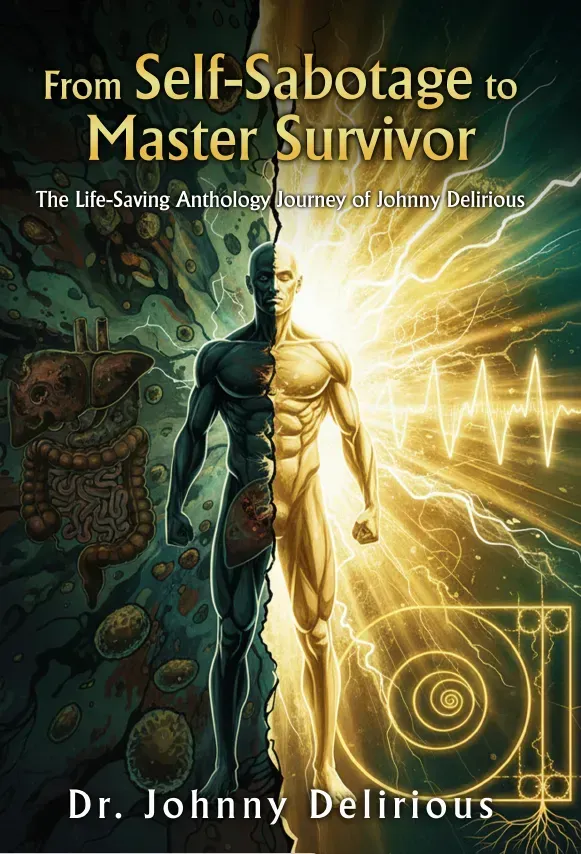
Dr. Johnny’s educational holistic health books, including the forthcoming anthology “From Self-Sabotage to Master Survivor,” serve as valuable resources for anyone seeking to understand and harness the body’s natural ability to heal itself. These works delve deeply into practical, step-by-step methods that empower readers to identify and remove obstacles blocking their body’s innate healing pathways.
The books emphasize holistic strategies such as nutrient-dense nutrition, mindful movement, stress reduction, and gentle detoxification—each a cornerstone in supporting the body’s immune system, stem cells, and regenerative processes—and are complemented by Dr. Johnny’s ongoing health insights and tips. By integrating scientific insights with accessible lifestyle guidance, Dr. Johnny’s writings bridge the gap between ancient healing wisdom and modern medical understanding.
Readers are encouraged to become active stewards of their own health, adopting sustainable habits that promote cellular repair, reduce chronic inflammation, and restore balance across bodily systems. Through these educational tools and the unconventional journey described in “Master Survivor – Beyond PhD”, Dr. Johnny aims to inspire and equip individuals to reclaim their healing power and improve quality of life, especially for those managing chronic diseases.
When Medical Intervention Is Essential—and How to Combine It With Natural Healing
Emergency and acute medical care can be life-saving and should never be delayed. Conventional medicine excels at crisis intervention—this is not the domain where natural healing approaches should take priority.
Red-flag symptoms requiring immediate conventional care:
- Chest pain or pressure, especially with shortness of breath
- Sudden weakness or numbness on one side of the body
- High fever with confusion or severe headache
- Difficulty breathing or severe shortness of breath
- Signs of severe allergic reaction
- Uncontrolled bleeding or serious injury
Even during conventional treatments like antibiotics, surgery, or chemotherapy, supporting sleep, adequate nutrition, and stress reduction can improve outcomes. These approaches work with medical treatment, not against it.
Build a healthcare team that includes both holistic practitioners and open-minded conventional providers who respect lifestyle-based healing, and don’t hesitate to contact Dr. Johnny directly if you wish to explore his integrative approach. Platelet rich plasma therapy, gene therapy, and other regenerative medicine approaches represent exciting bridges between conventional and holistic paradigms.
The long-term goal isn’t permanent dependence on either drugs or supplements—it’s restoration of the body’s own regulatory and repair capacities.
Putting It All Together: Becoming the Steward of Your Own Healing
The central message is straightforward: the human body is wired to heal, but modern life often blocks this wiring. Your daily choices determine whether healing systems are switched on or suppressed.
You don’t need to change everything overnight. Small, consistent habits compound over months and years into profound transformation. Research in molecular genetics and cellular biology confirms that gene expression itself responds to lifestyle factors—you’re not locked into your current state.
Consider a simple 7-day experiment:
| Day | Focus |
|---|---|
| 1-7 | Eat cleaner meals (more vegetables, less processed food) |
| 1-7 | Take a daily 15-20 minute walk |
| 1-7 | Get to bed 30-60 minutes earlier |
| 1-7 | Practice 5 minutes of slow breathing morning or evening |
| 1-7 | Make one toxin swap (glass container, natural product) |
| Track changes in energy, mood, digestion, and pain over a few weeks. Many people are surprised by what their body can do when obstacles are removed. New projects in self-care often yield results within days to weeks. |
For those wanting structured support and a comprehensive roadmap, our educational books—validated by testimonials from readers who’ve applied these principles—and Master Survivor University exist to guide you step-by-step through this territory.
Frequently Asked Questions About the Body’s Natural Healing Capacity
Can the body heal from every disease naturally?
While the body has remarkable self-healing capacity, not every condition is fully reversible—especially in late-stage disease or when organs have sustained severe damage. Certain types of advanced cancers, for example, require medical intervention alongside supportive lifestyle measures.
That said, many chronic conditions including metabolic syndrome, early autoimmune issues, and digestive disorders can improve dramatically with comprehensive lifestyle changes, sometimes achieving remission. Focus on improving quality of life, function, and resilience rather than fixating solely on “cure.” Appropriate medical monitoring remains important throughout.
How long does natural healing usually take to show results?
Timelines vary greatly depending on age, severity, and how many healing obstacles are present. Some people notice small improvements within days to weeks—better sleep, improved digestion, mental clarity, reduced pain intensity.
Deeper changes typically require 3-12 months or longer, especially when rebuilding from decades of chronic illness. Think in seasons and years rather than days. Track symptoms, energy, and mood regularly to notice gradual progress that might otherwise go unrecognized.
Is it safe to reduce medications once my body starts healing?
Never stop or change prescribed medications without working closely with your prescribing doctor. This applies even when you’re feeling significantly better.
As health markers improve—blood pressure normalizes, blood sugar stabilizes, inflammation decreases—some medications may be reduced under appropriate supervision. High blood pressure medications, for example, sometimes become excessive as lifestyle changes take effect. Bring concrete data (lab results, home monitoring logs) to collaborative conversations with healthcare providers. The goal is safe, sustainable reduction when appropriate.
Do I need expensive supplements or tests to support self-healing?
Many foundational changes—diet, sleep, movement, stress management, basic toxin reduction—require little or no financial investment to begin. You can promote healing through food-based nutrients and simple lifestyle shifts before investing in advanced protocols.
Targeted testing and supplementation can help in complex cases, but they’re not mandatory starting points. Education and consistent daily practice often provide better returns than a cabinet full of expensive supplements. Focus on mastering the basics first.
What if I’ve tried lifestyle changes before and didn’t get better?
Many people with chronic illness have already attempted various diets or programs and feel discouraged when results didn’t materialize. This is understandable—but partial changes, unresolved emotional or environmental factors, and lack of personalization often limit outcomes.
Consider reassessing all pillars together: food, sleep, movement, stress, environment, and emotional health. Addressing one or two while ignoring others frequently produces limited results. Our comprehensive guidance through educational resources like “From Self-Sabotage to Master Survivor” and Master Survivor University helps you develop structured plans and avoid guesswork that leads to frustration.
Recent Posts