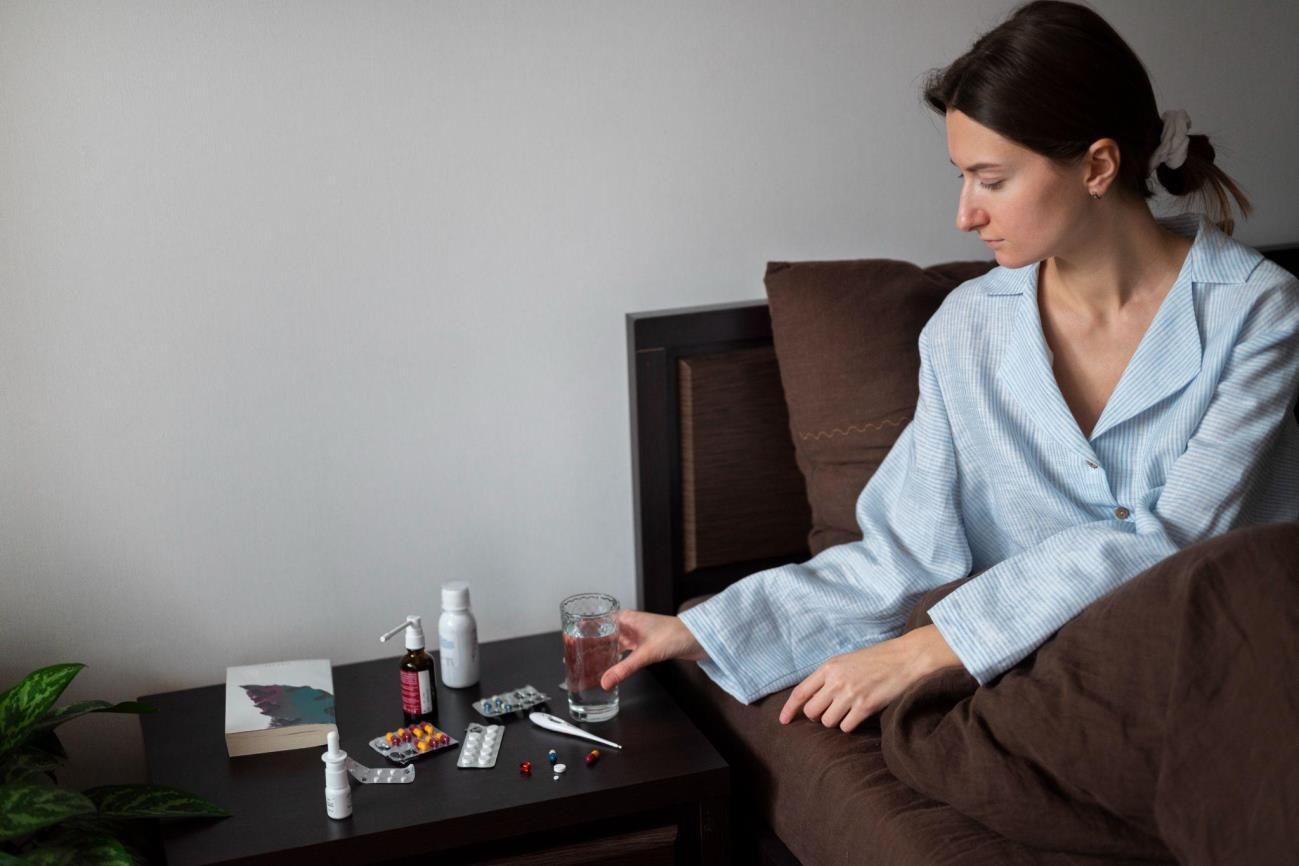
Discover How to Get Out of Sympathetic Dominance Effectively
In today's fast-paced world, many individuals find themselves stuck in a state of constant stress, triggering the body's "fight or flight" response. This chronic activation of the
sympathetic nervous system can lead to numerous
health issues and a decreased quality of life.
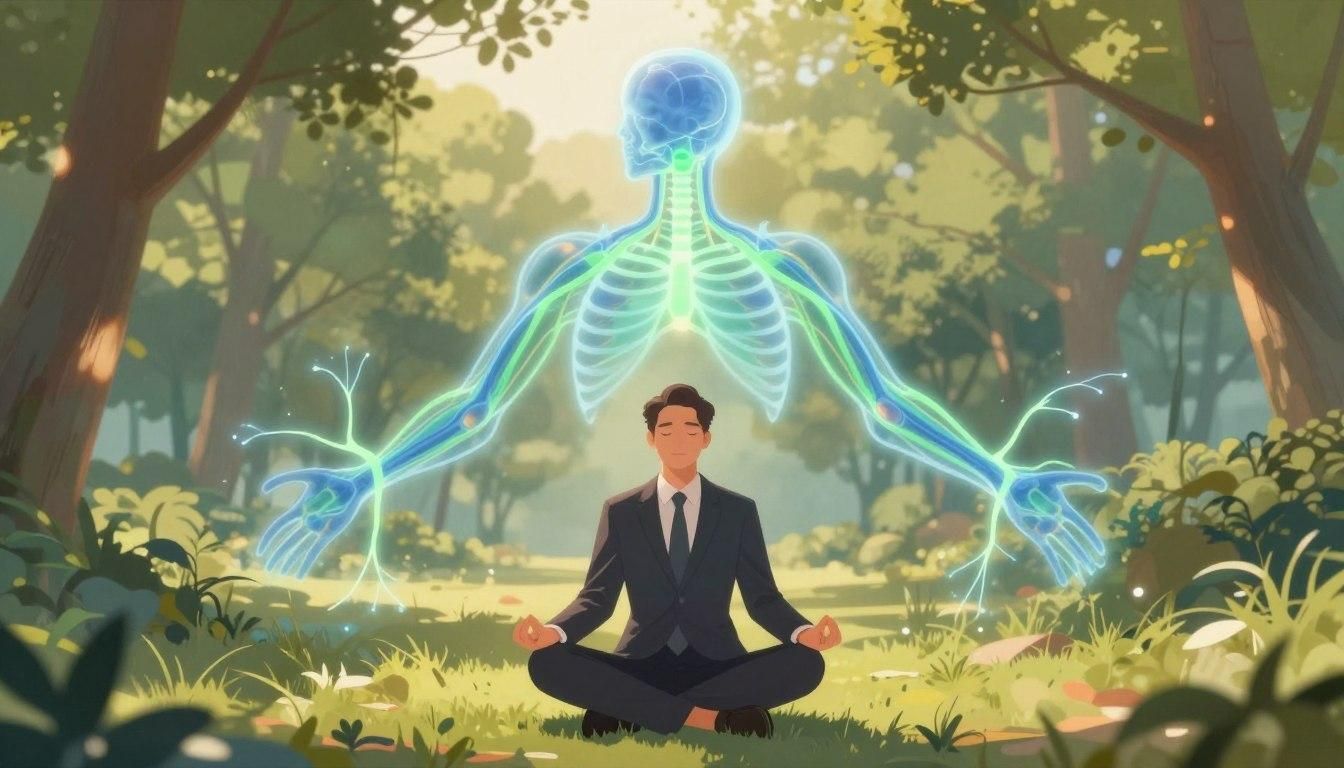
The autonomic nervous system, comprising the sympathetic and parasympathetic nervous systems, plays a crucial role in regulating our body's response to stress. Dr. Johnny's holistic approach focuses on restoring balance to this system, addressing the root causes of sympathetic dominance rather than just managing its symptoms.
By understanding the intricate relationship between the nervous system and our overall health, we can take the first step towards achieving true wellness.
Key Takeaways
- Understanding the role of the sympathetic nervous system in responding to stress.
- The importance of balance in the autonomic nervous system for overall health.
- Dr. Johnny's holistic approach to addressing sympathetic dominance.
- Practical methods to shift from a state of sympathetic dominance to a more balanced nervous system state.
- The significance of addressing the root causes rather than just managing
symptoms.
Understanding the Autonomic Nervous System Balance
The autonomic nervous system, comprising the sympathetic and parasympathetic nervous systems, is vital for our body's response to various stimuli. This complex network controls involuntary actions of the body, and its balance is crucial for our health.
The Sympathetic vs. Parasympathetic Response
The sympathetic nervous system is often referred to as the "gas pedal" because it prepares the body for intense physical activity, increasing heart rate, and diverting blood flow to the muscles. In contrast, the parasympathetic nervous system acts as the "brake pedal," promoting relaxation, reducing heart rate, and facilitating digestion. A balance between these two systems is essential for maintaining homeostasis and overall well-being.
Why Modern Life Keeps Us Stuck in "Fight or Flight"
Modern life is filled with stressors, from digital notifications to work deadlines, keeping many people in a state of sympathetic dominance. This constant activation of the "fight or flight" response can lead to chronic stress, elevated stress hormones, and a range of health issues including inflammation, digestive problems, and sleep disturbances.
The Importance of Nervous System Regulation for Overall Health
Nervous system regulation affects every aspect of our health, from digestion and immunity to cognitive function and emotional well-being. Understanding and addressing the root causes of sympathetic dominance, rather than just treating the symptoms, is crucial for achieving optimal health. A well-regulated nervous system enables us to respond to threats appropriately and return to a state of rest and recovery.
| System | Function | Effects of Imbalance |
|---|---|---|
| Sympathetic Nervous System | Prepares body for "fight or flight" | Chronic stress, anxiety |
| Parasympathetic Nervous System | Promotes "rest and digest" | Digestive issues, fatigue |
Signs You're Stuck in Sympathetic Dominance
Chronic activation of the sympathetic nervous system can lead to a range of physical and emotional symptoms that are often misunderstood or misdiagnosed. Recognizing the signs of sympathetic dominance is crucial for addressing this imbalance and restoring nervous system health.
Physical Symptoms of an Overactive Nervous System
An overactive nervous system can manifest through various physical symptoms. These often include digestive disturbances such as constipation, diarrhea, or bloating, as well as sleep difficulties like trouble falling asleep, staying asleep, or waking unrefreshed. Other physical indicators can be elevated blood pressure, increased heart rate, muscle tension, and shallow breathing.
Emotional and Mental Indicators
Emotional and mental signs of sympathetic dominance include heightened anxiety, irritability, racing thoughts, difficulty concentrating, emotional reactivity, and feeling constantly "on edge" or unable to relax. These symptoms can significantly impact mental health and overall well-being.
How Chronic Sympathetic Activation Affects Daily Life
When stuck in sympathetic dominance, daily life is significantly impacted. Productivity can decrease despite feeling "busy," relationships may suffer due to emotional dysregulation, and simple pleasures become less enjoyable as the body remains in a defensive state. Understanding the connection between these symptoms and nervous system dysregulation is key to a more comprehensive approach to healing.
| Symptom | Description | Impact on Daily Life |
|---|---|---|
| Digestive Issues | Constipation, diarrhea, bloating | Discomfort, pain, and difficulty concentrating |
| Sleep Disturbances | Trouble falling asleep, staying asleep | Fatigue, decreased productivity |
| Cardiovascular Effects | Elevated blood pressure, increased heart rate | Risk of cardiovascular disease, anxiety |
How to Get Out of Sympathetic Dominance Through Breathing Techniques
The key to overcoming sympathetic dominance lies in simple yet effective breathing practices. When we're under stress, our breathing becomes shallow, which can exacerbate the body's "fight or flight" response. By consciously altering our breathing patterns, we can directly influence our nervous system and promote relaxation.
Diaphragmatic Breathing for Vagus Nerve Stimulation
Diaphragmatic breathing, also known as belly breathing, is a powerful technique for stimulating the vagus nerve, which is part of the parasympathetic nervous system. To practice diaphragmatic breathing, find a comfortable position, either sitting or lying down. Place one hand on your chest and the other on your belly. Breathe in slowly through your nose, allowing your belly to expand first, followed by your chest. Hold your breath for a few seconds, and then exhale slowly through your mouth, deflating your belly first and then your chest.
The 4-7-8 Breathing Method for Quick Regulation
Another effective technique is the 4-7-8 breathing method, also known as the "relaxation breath." This involves inhaling for a count of 4, holding your breath for a count of 7, and exhaling for a count of 8. This method can help slow down your heart rate and promote a state of relaxation quickly, making it an excellent tool for managing stress.
Creating a Daily Breathing Practice
Consistency is key when it comes to breathing practices. Dr. Johnny recommends dedicating at least 5-10 minutes, preferably in the morning and evening, to breathing exercises. By incorporating these practices into your daily routine, you can retrain your nervous system over time and build resilience against stress triggers. Even short sessions practiced regularly will have a more profound impact on your system than occasional longer sessions.
To get started, you can use guided audio or visual cues to help maintain focus and proper technique until the practice becomes natural. By making
breathing practices a part of your daily life, you'll be taking a significant step towards regaining control over your
nervous system and achieving a better balance between stress and
relaxation.
Somatic Exercises to Release Cortisol and Tension
Somatic exercises offer a powerful way to release stored tension and stress hormones like cortisol, directly addressing the physical aspects of sympathetic dominance. These exercises work directly with the body to promote relaxation and reduce the stress response.
Progressive Muscle Relaxation
Progressive Muscle Relaxation (PMR) is a technique that involves systematically tensing and then releasing different muscle groups throughout the body. This process sends signals to the nervous system that it's safe to relax, creating a clear contrast between tension and relaxation.
- Start by tensing the muscles in your toes and then gradually move up to the top of your head.
- Hold each muscle group tense for a few seconds before releasing.
- Notice the sensation of relaxation that follows the release of tension.
Gentle Movement Practices for Nervous System Reset
Gentle movement practices such as tai chi, qigong, and specific yoga sequences are designed to help discharge excess energy while promoting parasympathetic activation. These practices emphasize slow, mindful movement, which can have a more profound impact on nervous system regulation than intense exercise.
- Engage in tai chi or qigong to promote balance and relaxation.
- Practice yoga sequences that focus on nervous system regulation.
- Emphasize slow, mindful movements to enhance the relaxation response.
Tapping and Self-Massage Techniques
Tapping techniques, also known as Emotional Freedom Technique (EFT), combine physical stimulation of acupressure points with mindful awareness. This helps to process emotional stress while sending calming signals to the nervous system.
Similarly, self-massage techniques can stimulate pressure receptors that signal safety to the nervous system, particularly in areas that tend to hold tension like the jaw, shoulders, and hands.
- Use tapping techniques on specific acupressure points to reduce emotional stress.
- Practice self-massage on areas that hold tension to promote relaxation.
- Combine these techniques with mindful awareness for enhanced benefits.
By incorporating these
somatic practices into your daily
routine, you can create new patterns of
body awareness and
nervous system regulation over
time. Regular practice is key to achieving lasting benefits and improving overall well-being.
Holistic Ways to Tone the Vagus Nerve
A well-toned vagus nerve is key to maintaining a healthy nervous system and reducing stress. The vagus nerve is the primary nerve of the parasympathetic nervous system, and deliberately toning this nerve is one of the most effective ways to counteract sympathetic dominance.
Cold Exposure and Its Regulatory Benefits
Cold exposure, such as ending showers with 30-60 seconds of cold water or brief cold plunges, creates a powerful vagal response that improves vagal tone over time. This helps the nervous system become more resilient. Dr. Johnny explains that the initial shock of cold exposure triggers a sympathetic response, but as the body adapts, it shifts into a strong parasympathetic state, training the nervous system to recover more efficiently from stress.
Humming, Chanting, and Sound Practices
Humming, chanting, and gargling create vibrations that mechanically stimulate the vagus nerve as it passes through the throat area. These simple practices are remarkably effective for nervous system regulation. Even a few minutes of humming or singing daily can improve heart rate variability, a key marker of vagal tone, and help shift the body from a stressed state to a more relaxed one.
The Power of Epsom Salt Baths for Nervous System Health
Epsom salt baths provide magnesium, which is essential for nervous system function and often depleted during chronic stress. The warm water helps relax tense muscles and improve circulation. Soaking in an Epsom salt bath can also help reduce inflammation and oxidative stress, which can disrupt the balance of the nervous system and contribute to feelings of anxiety and stress.
To incorporate Epsom salt baths into your routine, fill a bathtub with warm water and add 2-3 cups of Epsom salt. Soak in the bath for 20-30 minutes, allowing your body to absorb the magnesium and sulphates. As you soak, focus on deep breathing to enhance relaxation.
These vagus nerve toning practices help improve digestion, sleep quality, immune function, and stress resilience by strengthening the body's natural relaxation response.
Unconventional Stress Relief Techniques from Dr. Johnny
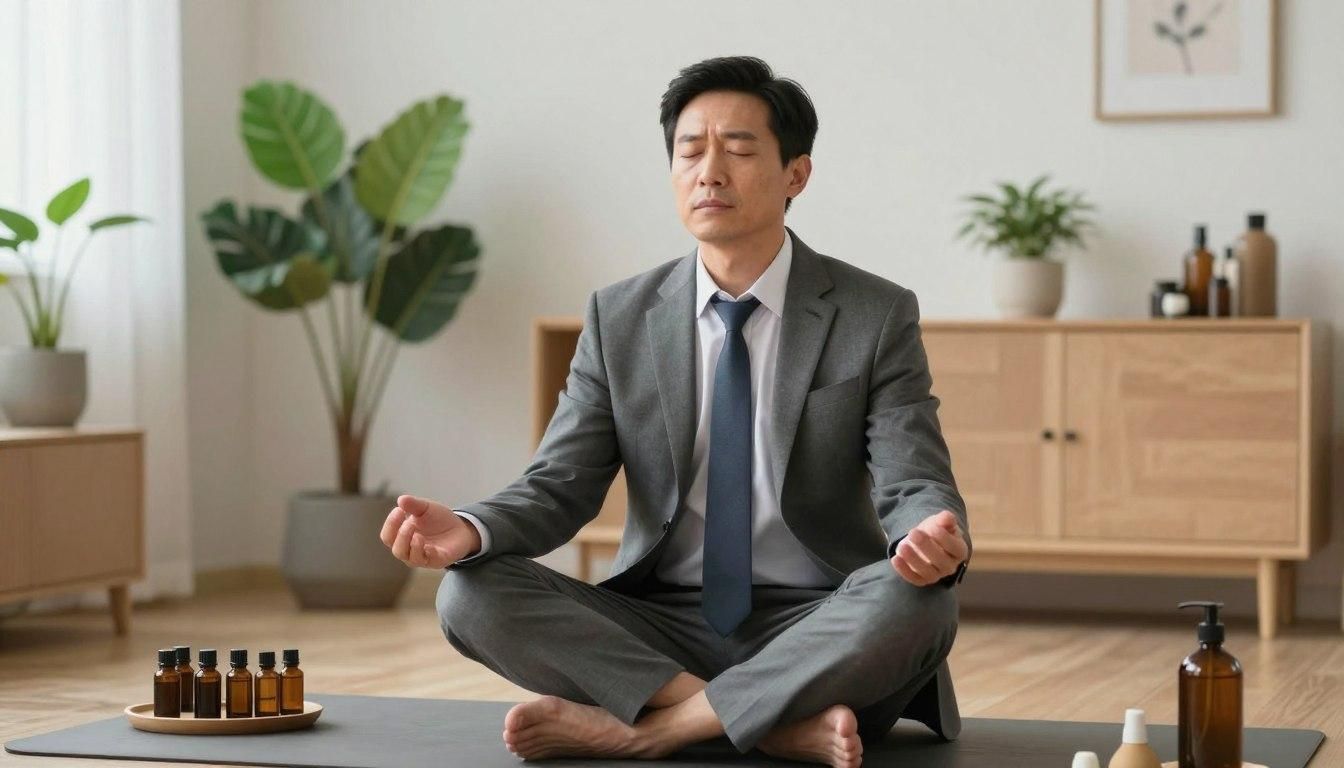
In the quest to overcome sympathetic dominance, Dr. Johnny recommends exploring unconventional stress relief methods. These techniques address often-overlooked aspects of nervous system health that can have profound effects on overall well-being.
Earthing: The Science of Barefoot Connection
Earthing, or grounding, involves connecting directly with the earth's surface. This practice is believed to support the parasympathetic nervous system (PNS) by reducing stress levels and promoting relaxation. By making direct contact with the earth, you can absorb its electrons, having a balancing effect on your body.
Studies have shown that earthing can lower cortisol levels, reduce symptoms of anxiety and depression, and improve sleep quality. This natural approach to stress relief is a valuable tool in achieving nervous system balance.
Nutritional Support for Nervous System Balance
A nutrient-dense diet plays a crucial role in supporting mood and reducing stress. Key nutrients include adequate protein for healthy neurotransmitter levels, omega-3 fatty acids for brain health, and magnesium to relax the nervous system. A well-balanced diet can significantly impact overall health and well-being.
Creating Environmental Sanctuaries for Regulation
Dr. Johnny emphasizes the importance of creating environmental sanctuaries that signal safety to the nervous system. This involves reducing artificial light, electromagnetic fields, and noise pollution, while incorporating elements like plants and natural materials. By designing spaces that promote relaxation, individuals can more easily shift into parasympathetic mode, enhancing their ability to manage stress.
These unconventional stress relief techniques offer a holistic approach to achieving
nervous system balance and improving overall
health. By incorporating earthing, nutritional support, and environmental sanctuaries into daily life, individuals can build resilience against
chronic stress and enhance their well-being.
Integrating Nervous System Care into Your Daily Life
To truly overcome sympathetic dominance, it's essential to integrate nervous system care into your daily routine. This involves more than just occasional stress relief techniques; it demands a consistent, holistic approach to managing your nervous system's response to stress.
Start by identifying your personal signs of sympathetic activation, such as a racing heart rate, shallow breathing, muscle tension, or irritability. Create a personalized "regulation toolkit" that includes techniques tailored to your body and lifestyle. This might include deep breathing exercises, progressive muscle relaxation, or humming practices that stimulate the vagus nerve and promote relaxation.
Integrating micro-practices throughout your day can significantly impact your nervous system balance. Take three deep breaths before meetings, practice 30 seconds of humming while washing your hands, or do a quick body scan while waiting in line. These small actions can help regulate your autonomic nervous system and reduce overall stress.
It's also crucial to create boundaries around activities that trigger sympathetic activation. This might mean limiting news consumption, establishing technology-free times, or learning to say no to excessive commitments. By prioritizing self-care and nervous system health, you can better manage stress and maintain homeostasis within your body.
Dr. Johnny emphasizes that nervous system regulation is not about eliminating stress but about improving your body's ability to respond appropriately to stressors and return to balance efficiently. Track your progress by noting changes in sleep quality, digestion, emotional resilience, and energy levels. Remember, nervous system health is a practice, not a destination—some days will be more balanced than others, and that's part of the human experience.
By consistently implementing these techniques, you're not just managing symptoms; you're fundamentally changing your nervous system's default settings, creating lasting improvements in your overall health and well-being. The unconventional path to wellness recognizes that true health comes from addressing root causes and supporting the body's innate ability to heal and regulate itself when given the right conditions.
Frequently Asked Questions About
Discover How to Get Out of Sympathetic Dominance Effectively
What is the autonomic nervous system, and how does it affect my body?
The autonomic nervous system controls involuntary actions, such as heart rate and digestion. It has two branches: the sympathetic nervous system, which prepares the body for "fight or flight," and the parasympathetic nervous system, which promotes relaxation and restoration. An imbalance can lead to various health issues.
How can I tell if I'm stuck in sympathetic dominance?
Signs of sympathetic dominance include anxiety, insomnia, rapid heart rate, and digestive problems. You may also experience muscle tension, fatigue, and decreased ability to cope with stress.
Can breathing techniques really help regulate my nervous system?
Yes, breathing techniques, such as diaphragmatic breathing and the 4-7-8 method, can stimulate the vagus nerve and help regulate the autonomic nervous system, promoting relaxation and reducing stress.
What are some somatic exercises that can help release cortisol and tension?
Somatic exercises like progressive muscle relaxation, gentle movement practices, tapping, and self-massage can help release physical tension and promote nervous system reset.
How can I tone my vagus nerve, and why is it important?
Toning the vagus nerve through practices like cold exposure, humming, chanting, and Epsom salt baths can improve nervous system function, leading to better stress regulation, heart health, and overall well-being.
Are there any unconventional stress relief techniques that can help?
Techniques like earthing, nutritional support, and creating environmental sanctuaries can help regulate the nervous system and reduce stress.
How can I integrate nervous system care into my daily life?
By incorporating practices like breathing techniques, somatic exercises, and vagus nerve toning into your daily routine, you can improve your nervous system's resilience and overall health.
Can chronic stress lead to long-term health issues?
Yes, chronic stress can contribute to various health problems, including anxiety, depression, cardiovascular disease, and digestive disorders, making it essential to manage stress effectively.
Recent Posts