Mediterranean Diet Plan for Fatty Liver: Ancient Wisdom for Modern Recovery
This guide links age-old Greek eating patterns with practical steps to support liver function today. This guide is for individuals seeking to manage or reverse fatty liver disease through dietary changes, especially those interested in evidence-based, Mediterranean-style eating. It covers the principles of the Mediterranean diet, practical meal planning, and common pitfalls to avoid for optimal liver health. It frames recovery as a steady, repeatable eating pattern that helps metabolic balance and controls inflammation, not a quick fix.
Books by Dr. Johnny and the narrative in Hepatitis C, CURED anchor a food-based, holistic approach without claiming medical cures. Expect clear, food-first tactics and a mindset of small, daily choices.
This is an educational how-to guide. Partner with a clinician or dietitian to tailor any plan to your medical history, alcohol use, medications, and lab results. The goal is to leave you with serving targets, meal templates, snack upgrades, and realistic swaps that support natural recovery pathways.
- A repeatable eating pattern matters more than strict rules.
- Focus on plants, healthy fats, whole grains, and fish to support function.
- Small daily choices add up to real progress over time.
- Consult your care team — this guide informs conversations, not treatment.
- Dr. Johnny's work models an unconventional, habit-based way to wellness.
Beyond the Diagnosis: What Ancient Greek Eating Patterns Can Teach Modern Liver Recovery
A medical label is only the start; what follows are daily choices that shape recovery. Early liver disease can be silent, so preventive checkups matter, especially since non alcoholic fatty liver (NAFLD, a condition where excess fat builds up in the liver not due to alcohol) and alcoholic fatty liver disease are distinct conditions in which fat builds in the liver for different reasons. The liver does most of its own cleansing — special “detox” plans are rarely needed.
The Unconventional Way to Wellness reframes ancient Greek protocols as repeatable patterns: shared meals, high-quality plant foods, olive oil, and seafood. These habits translate into a practical routine rather than mystical rules.
The Mediterranean diet emphasizes the consumption of whole foods, such as fruits, vegetables, whole grains, legumes, and healthy fats, which support liver health and overall well-being.
From “quick fixes” to daily practice — consistent meals, steady movement, and supportive medical care reduce risk and build resilience. Quick cleanses and extreme restriction may feel appealing but rarely sustain long-term gains.
Dr. Johnny’s story in Hepatitis C, CURED and his broader journey from death's door to liver expert offer real-world motivation. His food-based approach may also inspire people, while this guide stays evidence-informed and safety-first. If you have hepatitis C or advanced disease, follow antiviral treatment and follow-ups under clinical supervision.
- Normalize the emotional impact and pivot to controllable steps: meals, activity, labs.
- See “natural liver regeneration protocols” as lifestyle routines: alcohol reduction, sleep, weight management, and preventive care.
- Work with your healthcare provider and a registered dietitian when labs or cirrhosis are present.
For more about the author and his background, visit Dr. Johnny’s bio or explore
the transformative messages in Dr. Johnny Delirious' books. Next: the core foods, fats, and swaps that show up again and again in research-friendly patterns.
Mediterranean Diet For Liver Health: The Core Foods, Fats, and Swaps That Matter Most
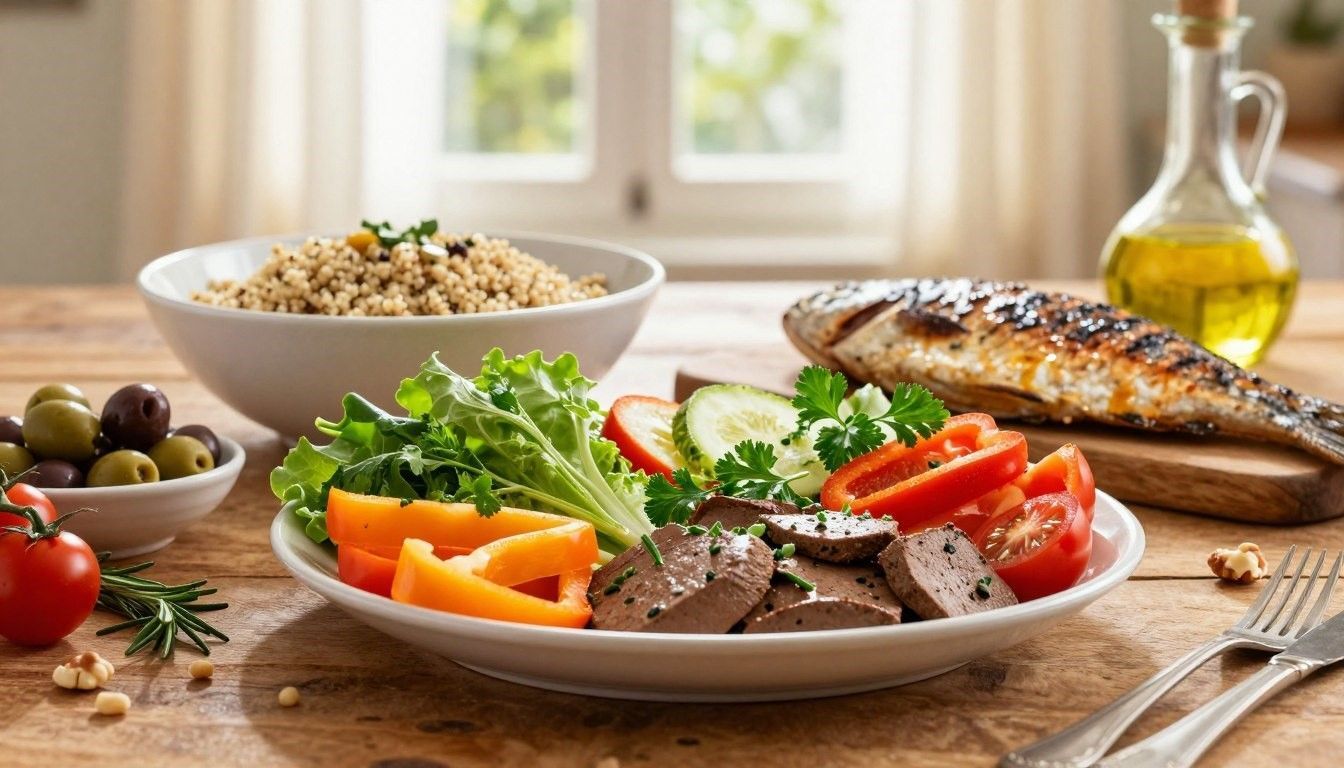
Start by picturing a plate where plants take the lead and protein plays a supporting role. This pattern is practical, grocery-store friendly, and easy to repeat on busy days.
Build Your Plate Around Plants
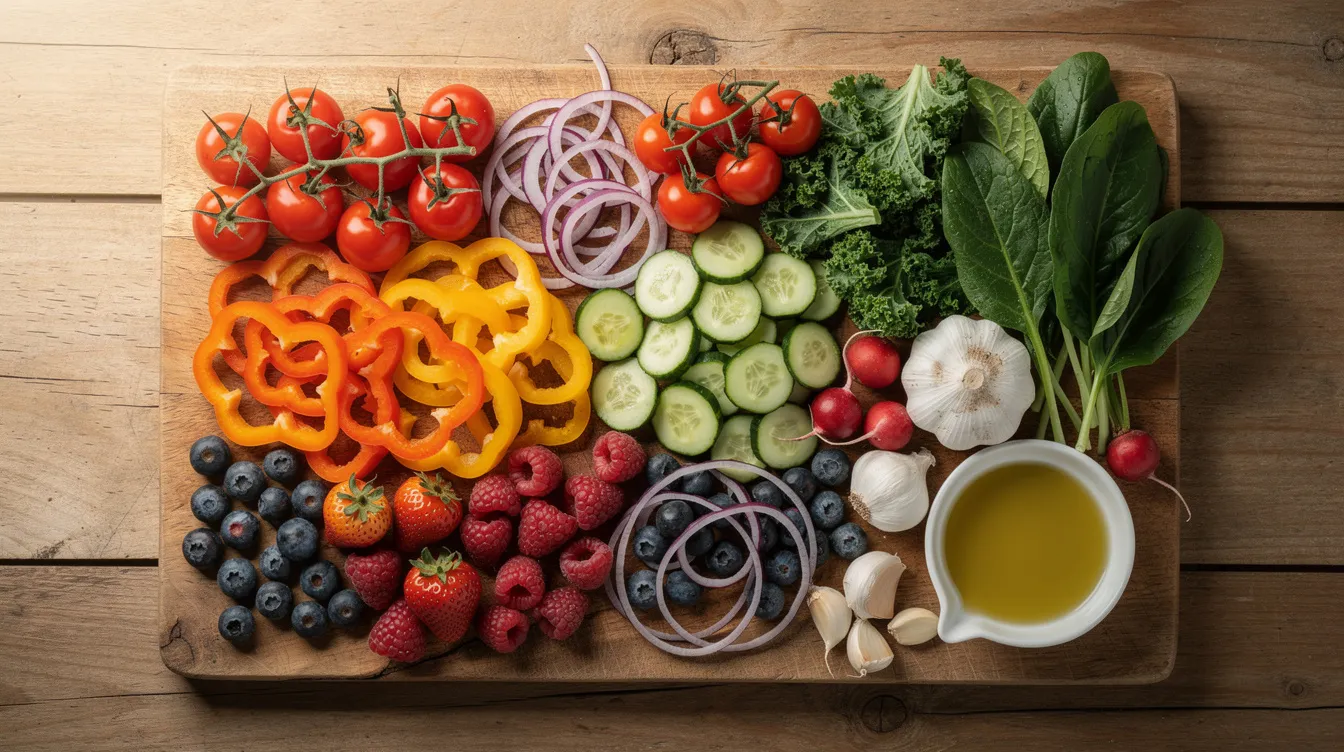
Fill half your plate with whole foods such as vegetables, fresh fruit, beans, lentils, nuts, and healthy fats to support liver health and the liver’s natural healing process. Add beans or lentils to soups and salads. Use hummus as a dip for raw veggies. Keep fruit ready for snacks instead of packaged sweets so you reach for more nutritious foods.
Make Extra Virgin Olive Oil The Default Fat
Use extra virgin olive oil instead of butter, cream sauces, sour cream, or mayo-heavy dressings. The goal is to shift fat quality toward unsaturated oils and away from saturated spreads, since extra virgin olive oil contains oleic acid and antioxidant polyphenols that may help reduce liver fat synthesis, lower ALT and AST, and support liver health.
Prioritize Omega-3 Fish
Choose salmon, sardines, mackerel, tuna, or herring. Aim for about three small servings weekly to get omega-3 polyunsaturated fatty acids for managing fatty liver disease and supporting inflammation balance and heart-friendly benefits, with baked salmon being an easy way to meet this goal.
Choose Whole Grains Over Refined Carbs
Swap white bread, white rice, and regular pasta for whole-wheat bread, brown rice, oats, barley, or quinoa. These whole grains, including oats, barley, brown rice, and whole wheat, help steady blood sugar and prevent insulin resistance, regardless of current body weight, while supporting metabolic targets tied to fatty liver disease.
Limit List and Wine Guidance
- Red meat
- Processed meats
- Butter
- Sweets
- Sugary drinks
Keep these foods on the “limit” list — this is practical, not moralizing, and limiting red meat fits this anti-inflammatory pattern. If you drink alcohol, discuss limits with your provider, since limiting alcohol matters because it contributes directly to liver fat and inflammation; if you don’t, don’t start. Think of it as a fatty liver diet built on Mediterranean principles: whole grains, fruits, vegetables, beans, legumes, nuts, seeds, and olive oil, with added sugars kept low.
Day-In-a-Life Snapshot
Breakfast: veggie omelet or oats with fruit, nuts, and chia seeds. Lunch: grain-and-bean bowl with mixed greens. Dinner: grilled fish with roasted vegetables, including bell peppers, and a drizzle of olive oil. Small swaps add up, and you can find more ideas in
Dr. Johnny's holistic health books.
How these Mediterranean staples support natural liver regeneration protocols
Small, consistent food and activity choices create an environment that helps the liver do its work. Think of natural liver regeneration protocols as an evidence-informed lifestyle framework that complements medical care. This is not a supplement stack; it is a repeatable eating and movement pattern that targets metabolic drivers of disease.
What Research Suggests About Fatty Liver and NAFLD Risk
Higher adherence to a Mediterranean-style eating pattern is linked to lower odds of nonalcoholic fatty liver disease, and the Mediterranean diet is strongly recommended because it can reduce liver fat and improve insulin sensitivity even without weight loss. Studies show the effect is stronger when paired with regular exercise. Research suggests this approach may also reduce overall disease risk and improve markers tied to heart disease, diabetes, and some cancers, supporting overall health while also aligning with critiques of corporate greed in healthcare and the need for holistic wellness.
Insulin Sensitivity and Liver Fat Storage
When insulin sensitivity falls, excess blood sugar is more likely to be converted to fat in the liver, a broader metabolic pattern seen in steatotic liver disease. That pathway raises liver fat and inflammation over time. Improving insulin response through eating and activity reduces that storage pressure, which can also support metabolic health and help reduce fat in the liver.
Fiber, Antioxidants, and Polyphenols: The “Choir Effect”
Vegetables, whole grains, olive oil polyphenols, nuts, and fish act together to lower oxidative stress and support gut balance, while regular servings of nuts and seeds, such as walnuts and chia seeds, provide healthy fats that may reduce hepatic inflammation and provide benefits beyond any one food alone. The benefit comes from the combined nutrients — not a single miracle food.
Weight Targets That Move The Needle
Modest weight loss matters. A 5% drop often reduces liver fat, around 7% may reduce steatosis, and 10%+ can improve inflammation and some scarring. Aim for safe, steady progress with clinician oversight.
Practical takeaway: this pattern helps reduce liver fat by improving blood sugar, reducing excess body fat, and shifting fat quality toward unsaturated sources. Now let's turn the science into a weekly meal plan you can actually follow.
How to Create a Mediterranean-Style Meal Plan For Liver Enzyme Health
Build a weekly plan that turns simple serving targets into easy, repeatable meals you can actually stick to.
Use Serving Goals as Your Guide
Make a fridge checklist:
- At least five daily servings of fruits and non-starchy vegetables to support detoxification and liver health, with any starchy vegetables counted separately
- 3–6 whole grains servings
- 1–4 tbsp extra virgin olive oil daily
- Legumes ~3/week
- Fish ~3/week
- Nuts ≥3/week
Liver-Friendly Breakfast Ideas
No-added-sugar options: steel-cut oats with berries, ground flax, and chia seeds; low-fat Greek yogurt with berries and walnuts; or an egg-white veggie omelet with a drizzle of olive oil and a side of whole grain toast. For more guidance on nervous system balance, brain fog, and liver-friendly eating, explore insights and tips from Dr. Johnny's health blog.
Easy Lunches to Prep Ahead
Repeatable formulas work best: quinoa salad with black beans, big salad with romaine lettuce + canned salmon, or a vegetable-lentil soup you reheat all week. These easy lunches also fit into a broader eating plan, similar to sample 7-day menus that use simple whole-food meals like low-fat Greek yogurt with berries.
Dinner Templates and Smart Snacks
Templates: baked salmon with steamed broccoli, cod with lentils, or skinless poultry over cannellini beans. For snacks, pre-portion nuts, pair fruit with low-fat Greek yogurt and berries, use hummus with raw veggies instead of processed bars, or make a quick vegetable-and-tofu stir fry. Lunch can be as simple as a quinoa salad with black beans to keep the focus on whole foods and healthy fats.
“Small, consistent swaps beat occasional extremes — repeatable meals build real progress.”
| Target | Daily | Weekly |
|---|---|---|
| Fruits | 3 servings | 21+ servings |
| Vegetables | 3+ servings | 21+ servings |
| Whole grains | 3–6 servings | 21–42 servings |
| Fish | — | ~3 servings |
Hydration and Social Options
Swap soda for infused or sparkling water. Try coconut water for electrolytes and hydrating foods like watermelon and cucumbers. Mocktail ideas: strawberry-basil sparkling water or cucumber-lemon sparkling water — refreshing without alcohol.
Grocery backbone: canned beans, frozen vegetables, oats, brown rice, quinoa, olive oil, nuts, Greek yogurt, and a few go-to fish options. For personalization, consult a registered dietitian or clinician, especially with advanced liver issues or diabetes, or
contact Dr. Johnny directly with questions about his books and approach.
Common Mistakes to Avoid When Using a Mediterranean Diet For Liver Disease Support
It's tempting to chase a miracle plan after bad labs, but steady habits do the real work. Many quick cleanses and dramatic fixes feel hopeful. Yet the organ already filters blood and makes bile; extreme cleanses usually add cost and distraction, not recovery.
Why Detox Cleanses aren't Necessary (and What to do Instead)
Detox fads promise fast change. In reality, they can delay the steady eating and activity shifts that reduce fatty liver and disease risk.
Do this instead: make nutritional changes by building meals around more whole foods like fresh fruits, vegetables, legumes, and whole grains while avoiding processed foods and added sugars; steady changes make a big difference over time, and keep the pattern plant-forward with modest portions of fish and lean meats.
Supplement Hype vs. Safety
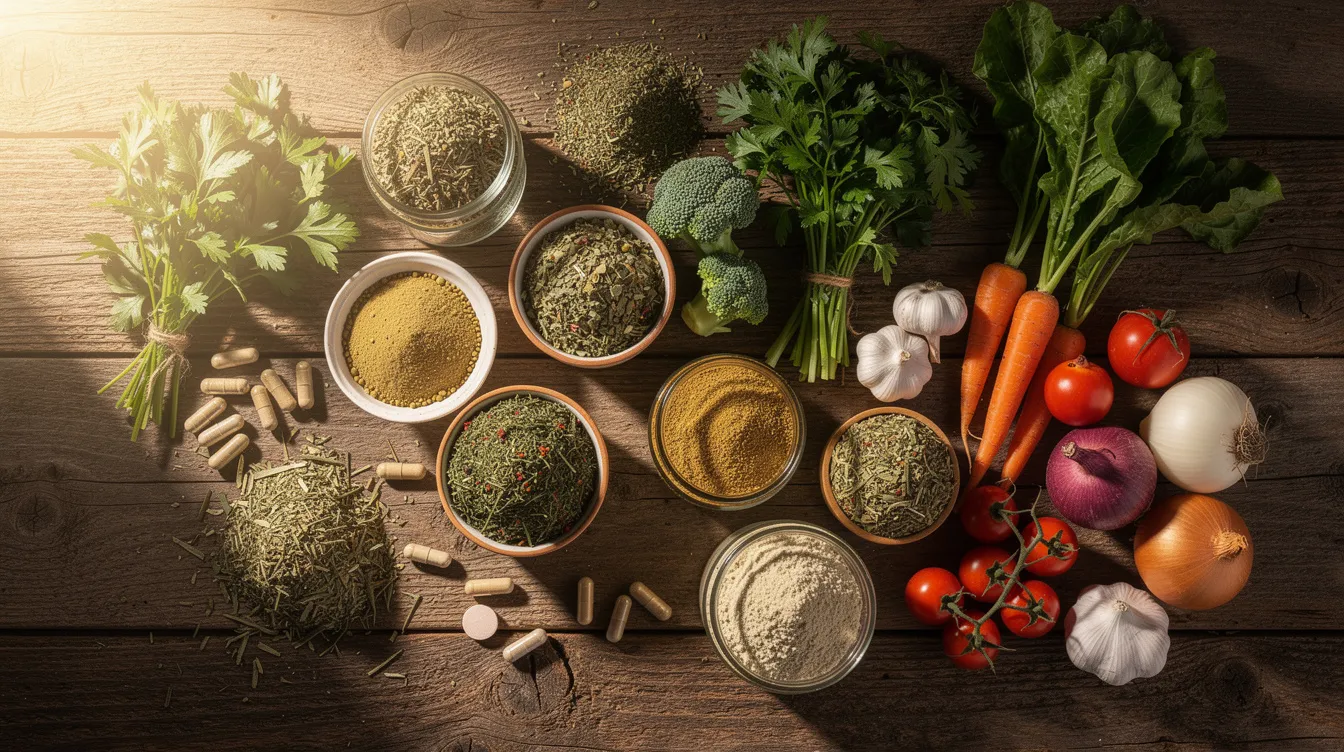
Many products are unregulated and may harm the liver. Some herbal blends have been linked to elevated enzymes.
Always clear supplements with your clinician. If you have hepatitis or abnormal labs, consult your care team before trying anything new, and consider real-world
testimonials from readers of Dr. Johnny's books as stories of inspiration rather than medical advice.
Hidden Drivers to Cut Back
Added sugar, refined grains, sodium-heavy processed foods, and trans fats quietly raise metabolic risk, and diets high in saturated fat, added sugars, and simple carbohydrates can make that burden worse. Sweetened drinks and many snack foods look innocent but can worsen fatty liver and add to other metabolic risk factors, including high blood pressure and high cholesterol, while the Mediterranean pattern instead emphasizes whole foods and healthy fats that support overall well-being.
Watch portion sizes of calorie-dense oils and nuts, too — quality matters, but balance still reduces fat gain.
Prevention and Early Detection
Liver damage can be silent until it’s advanced, and fatty liver often appears alongside other health conditions; routine bloodwork, imaging when recommended, and regular visits help catch problems early and monitor for progression to nonalcoholic steatohepatitis.
“Focus on sustainable dietary patterns, safe guidance, and monitoring rather than chasing a miracle product.”
- Limit alcohol and, if drinking is ongoing, follow up with your healthcare provider about safe limits.
- Prioritize steady daily habits over one-off cleanses.
- Report supplement use to your clinician.
Conclusion
Small, steady food choices can reshape long-term wellness more than any short-term fix. A mediterranean diet plan for fatty liver supports liver health and cardiovascular disease risk reduction through steady food choices, emphasizing plants, whole grains, extra virgin olive oil, and oily fish while limiting added sugar and processed foods.
The Unconventional Way to Wellness frames recovery as practice over perfection. Start this week with more vegetables and beans, swap refined grains for whole ones, use olive oil instead of butter, and add omega-3 fish a few times a week.
Consistent meals, modest weight steps, and regular movement lower metabolic risk and support lasting change. If you have diagnosed liver disease, hepatitis, cirrhosis, or abnormal labs, coordinate any plan with your clinician and consider a registered dietitian.
Learn more about the story behind these ideas in Books by Dr. Johnny at
www.drjohnny.net and the author page:
/about-the-author. Use this guide to start a conversation with your care team, knowing that even small changes can make a big difference for metabolic and liver outcomes.
Frequently Asked Questions About Mediterranean Diet for Liver Health: Ancient Wisdom for Modern Recovery
Can this eating pattern help reduce fatty liver (NAFLD)?
Yes, the traditional Mediterranean diet is strongly recommended for individuals with NAFLD because it helps reduce liver fat and improve insulin sensitivity, even without weight loss.
How much olive oil should I use each day?
Aim for 1 to 4 tablespoons of extra virgin olive oil daily as your primary fat source, replacing saturated fats like butter and cream.
Is red meat off limits if I have liver concerns?
Red meat should be limited rather than completely avoided. Choose lean cuts and enjoy red meat sparingly, focusing more on fish and plant-based proteins.
What role do whole grains and fiber play in liver recovery?
Whole grains such as oats, barley, brown rice, and whole wheat help stabilize blood sugar and prevent insulin resistance, supporting metabolic health and reducing liver fat.
Can moderate wine be part of a liver-friendly plan?
Alcohol intake should be limited or avoided because it contributes directly to liver fat and inflammation. If you choose to drink, discuss safe limits with your healthcare provider.
How much weight loss is needed to reduce liver fat?
Modest weight loss of around 5% can reduce liver fat; 7% or more may reduce steatosis, and 10% or greater can improve inflammation and some scarring, ideally under clinician supervision.
Are supplements like milk thistle or turmeric necessary?
Supplements are not necessary and may not be safe for everyone. Always consult your healthcare provider before taking any supplements, as some can harm the liver.
What quick swaps improve meals without complex recipes?
Simple swaps include using extra virgin olive oil instead of butter, choosing whole grains over refined carbohydrates, adding more vegetables, and replacing processed snacks with nuts or fresh fruit.
How do omega-3 rich fish help the liver?
Omega-3 fatty acids from fish like salmon, sardines, and mackerel reduce liver fat synthesis, lower inflammation, and support heart and metabolic health.
Are there hidden foods that can worsen liver outcomes?
Highly processed foods, sugary drinks, baked goods, refined carbohydrates, and fruit juices can worsen liver fat accumulation and inflammation.
Can I follow this approach if I have diabetes or heart disease?
Yes, the Mediterranean dietary pattern supports overall metabolic health and helps reduce risk factors for diabetes, heart disease, and some cancers.
How do I balance protein sources to protect liver function?
Focus on plant-based proteins like beans and lentils, lean fish, and moderate amounts of low-fat cheese rather than processed or red meats.
What are safe hydration choices that support liver function?
Water, green tea, and unsweetened beverages are best. Avoid sugary drinks and limit fruit juices to reduce excess calories and added sugars.
When should I see a specialist about my liver?
Consult a liver specialist or hepatologist if you have abnormal liver tests, persistent symptoms like fatigue or abdominal pain, or advanced liver disease.
Are routine detox cleanses useful for liver recovery?
No, detox cleanses are unnecessary and can be harmful. Focus on steady, whole-food eating patterns and lifestyle changes that support natural liver regeneration instead.
Recent Posts