Foods That Heal the Liver: A Holistic Guide from Dr. Johnny Delirious
Your liver processes every toxin, hormone, and nutrient you consume. When damage accumulates from years of poor diet, alcohol, or viral infection, the right foods can shift the trajectory from deterioration to regeneration. This guide covers the specific foods that heal the liver, what to eliminate, and how Dr. Johnny Delirious designs individualized protocols to accelerate the healing process.
Key Takeaways
- The liver can regenerate new tissue when chronic inflammation is reduced and specific healing foods are eaten daily as part of a balanced diet.
- The best foods for liver repair include cruciferous vegetables, leafy greens, bitter herbs, sulfur-rich foods, quality proteins like wild fish and bone broth, and anti inflammatory drinks such as green tea and herbal teas.
- Avoiding processed sugar, alcohol, and industrial seed oils is just as important as adding healing foods to help normalize body weight and reduce fatty liver.
- Dr. Johnny Delirious uses Hair Tissue Mineral Analysis (HTMA) plus food-based therapies and Ancient Greek principles in his books to design individualized liver-healing programs. A balanced Mediterranean-style diet is recommended for liver health.
- Readers with hepatitis A, B, C, or advanced cirrhosis should continue working with a healthcare provider while using these foods to support recovery and well being.

How the Liver Heals: From Fatty Liver to Regeneration
The liver is your body's primary detox and metabolic organ, and it holds a rare ability among organs: it can regrow healthy tissue if the causes of damage are removed. Liver regeneration is driven by growth factors, cytokines, and metabolic signals that kick in once toxins, chronic inflammation, and poor diet are addressed. Nutrients like protein and antioxidants support liver repair processes at every stage.
Non-alcoholic fatty liver disease develops when excess fat accumulates in liver cells, commonly in people with elevated body weight, insulin resistance, or diets heavy in refined sugar. Reducing sugar intake helps prevent liver fat accumulation directly. Alcoholic fatty liver follows a similar path, compounded by acetaldehyde and oxidative stress. Over time, unchecked inflammation triggers fibrosis and slows cell growth, eventually progressing toward cirrhosis.
This is where the "food as medicine" concept becomes essential. Certain foods deliver the essential nutrients, minerals, and plant compounds that calm inflammation, stimulate bile flow, and help your body rebuild liver cells. Dr. Johnny Delirious maps out these protocols in Hepatitis C, Cured, drawing on his personal journey from severe liver disease to expert status, and details how to reverse liver cirrhosis naturally using HTMA-guided detox support and specific liver-healing whole foods. Dietary fiber from whole grains also supports digestive health and liver function throughout the recovery process, especially when they are part of a Mediterranean-style liver-healing diet.
The Best Foods to Help the Liver Heal Itself
Here are the core foods that heal the liver, organized by category with concrete daily tips.
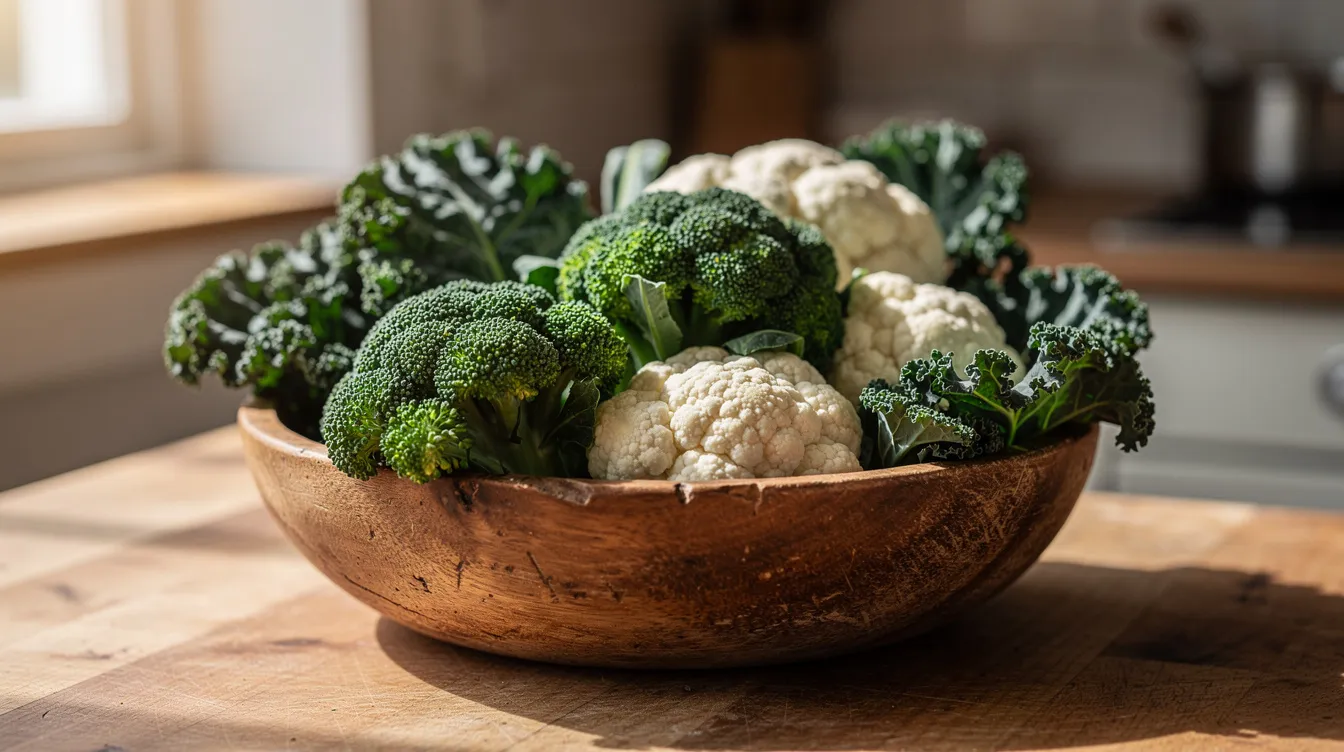
Cruciferous vegetables like broccoli, Brussels sprouts, cauliflower, cabbage, and kale contain glucosinolates and sulfur compounds that enhance liver detoxification enzymes, helping remove excess hormones, alcohol byproducts, and industrial toxins. Cruciferous vegetables support liver detoxification enzymes directly. Aim for at least one serving daily.
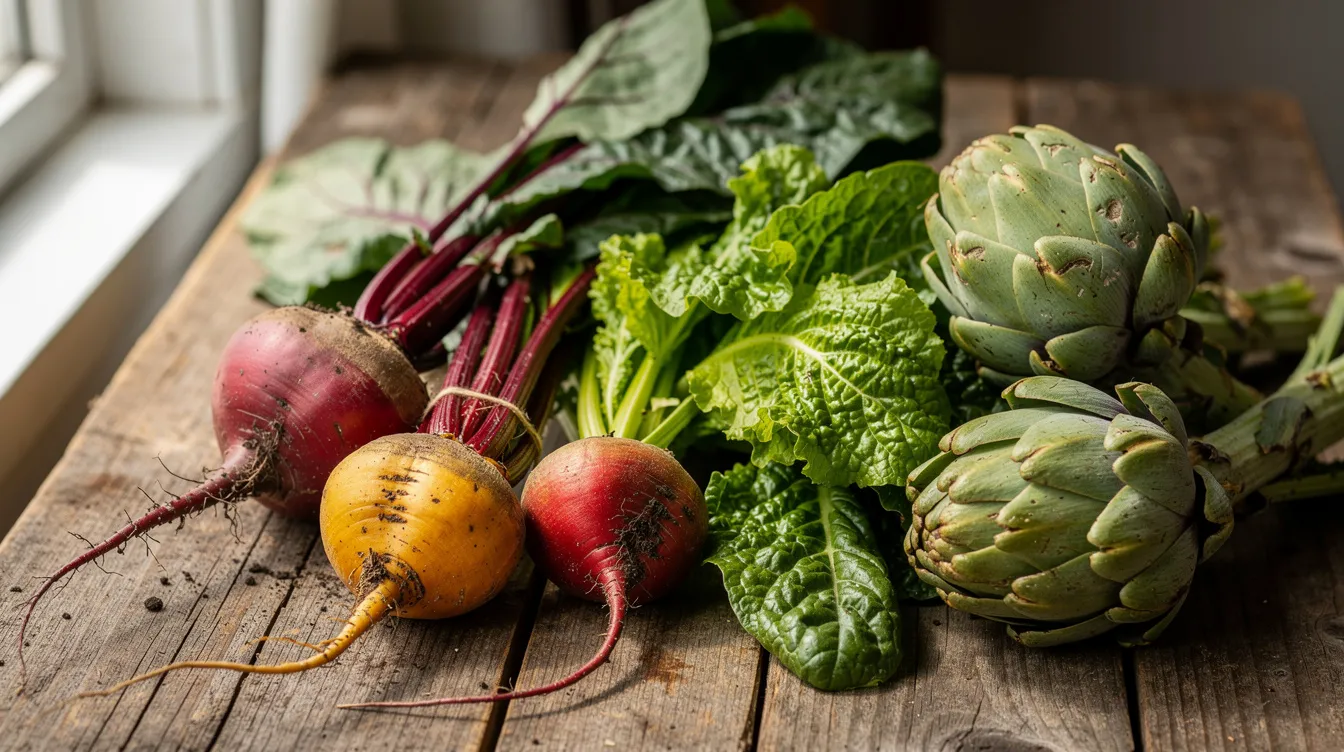
Green leafy vegetables and bitters such as spinach, arugula, dandelion greens, swiss chard, and beet greens are rich in chlorophyll, magnesium, and vitamin c. Leafy greens decrease inflammation and enhance immune function while stimulating bile flow for gentle fatty liver detox. Leafy green vegetables also provide antioxidants that support metabolic health, and leafy greens are rich in antioxidants that enhance immune function overall.
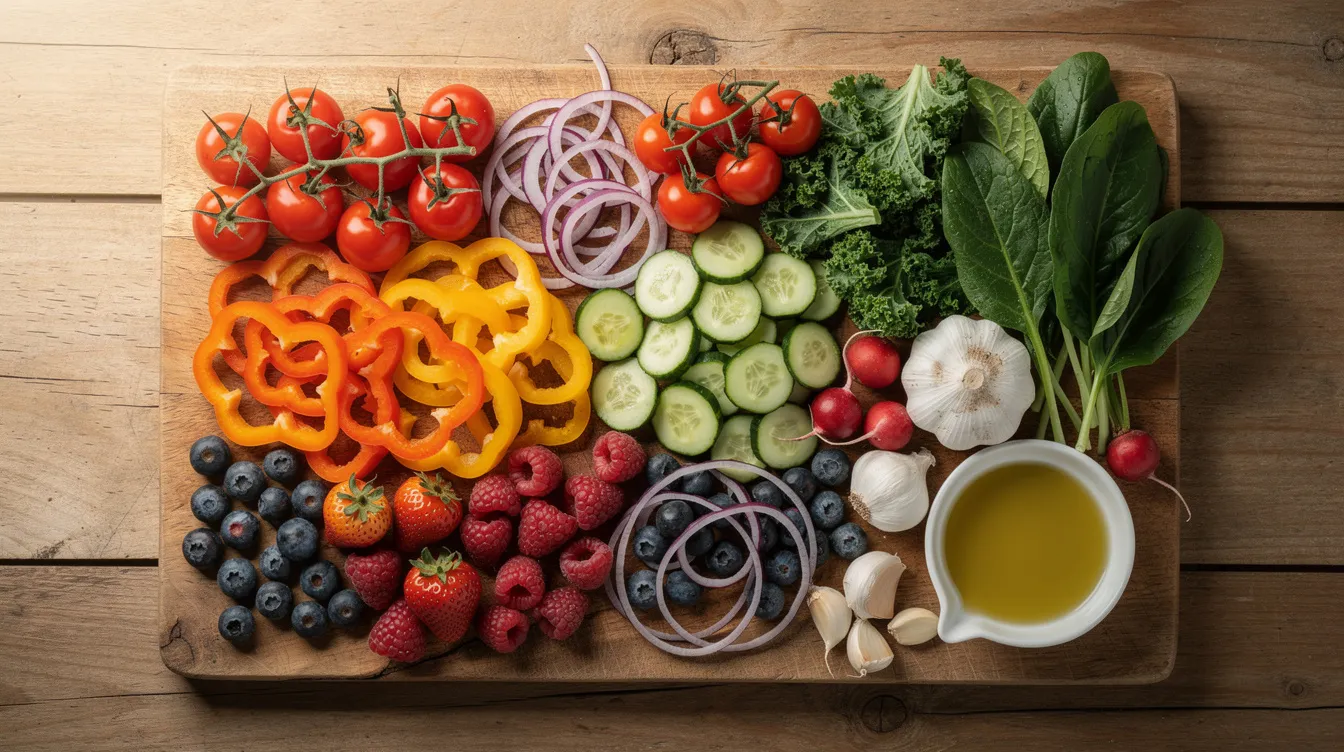
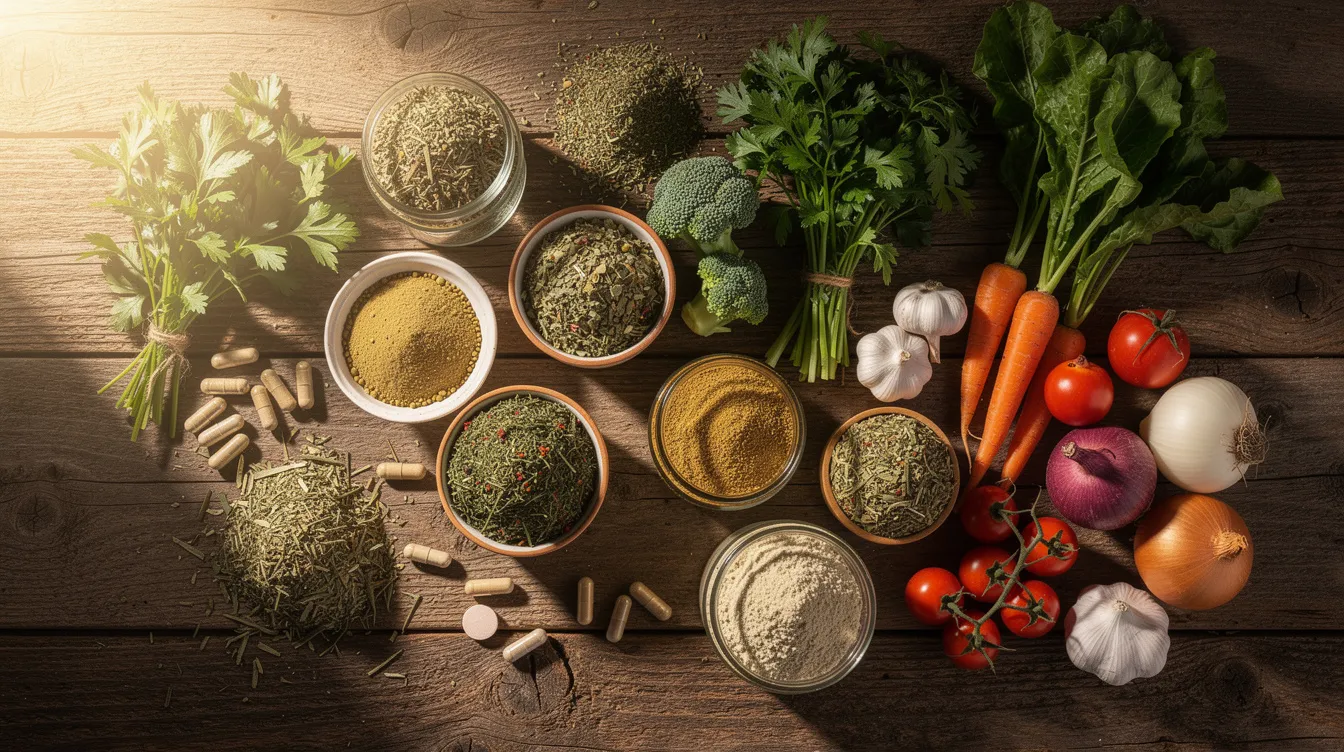
Sulfur-rich foods including garlic, onions, leeks, chives, and eggs from pasture-raised hens supply the amino acids your liver needs for glutathione production, its master antioxidant. Garlic activates liver detoxification enzymes and contains beneficial compounds that help heal wounds in damaged liver tissue. These foods support wound healing and tissue repair at the cellular level.
Colorful fruits and berries like blueberries, blackberries, raspberries, pomegranate, and citrus fruits deliver anthocyanins and vitamin c that protect liver cells from oxidative stress. Berries are rich in vitamin c, promoting collagen production. Vitamin c boosts collagen production for skin health and new skin formation. Berries contain antioxidants that help protect liver cells from further damage.
Healthy fats, nuts and seeds such as walnuts, almonds, pumpkin seeds, sunflower seeds, chia, flax, and extra-virgin olive oil stabilize blood sugar, improve body weight management, and reduce chronic inflammation. Healthy fats like olive oil reduce liver fat accumulation. Nuts and seeds are good sources of zinc and vitamin e. Zinc supports cell growth and immune function, which is critical for the liver's immune response and immune health during recovery.

Healing Drinks and Proteins: Bone Broth, Green Tea, and More
Liquids and proteins are often overlooked, yet they supply amino acids and phytonutrients critical for liver cell growth, collagen production, and immune system support. Getting enough protein helps your body recover faster.
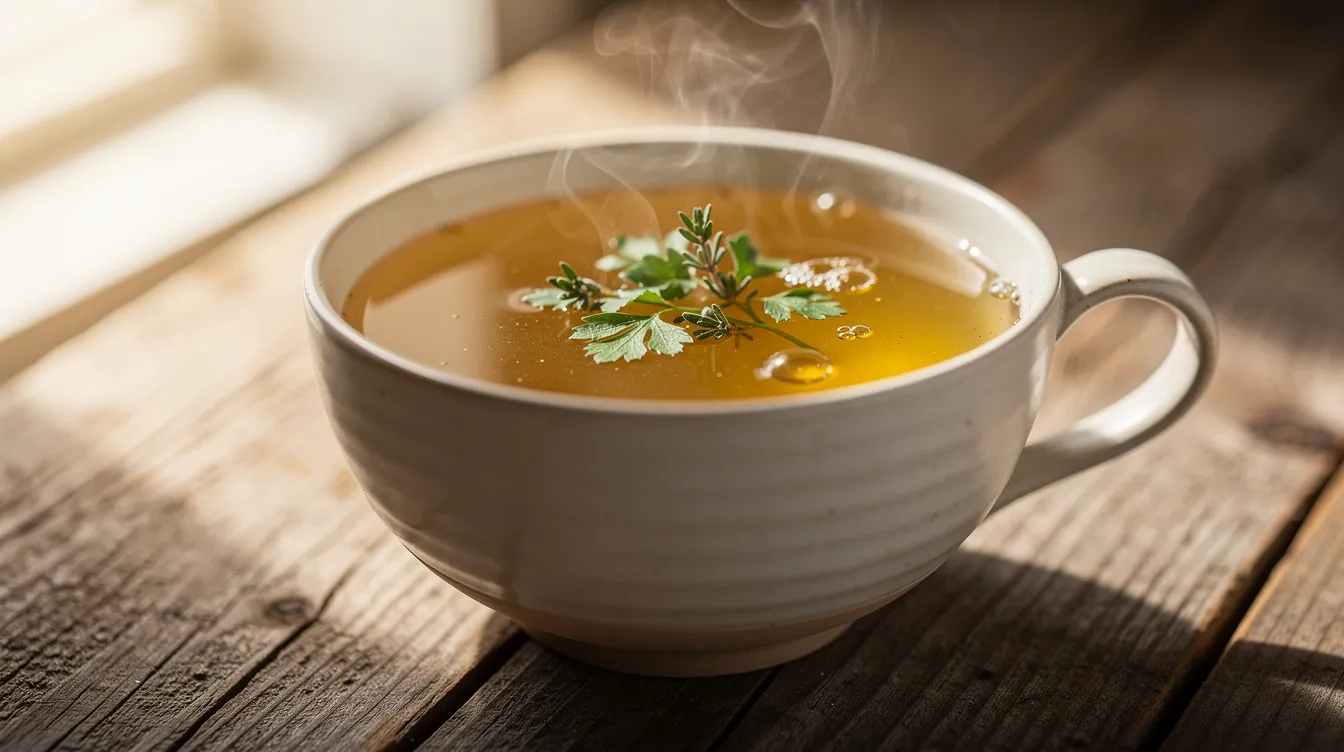
Bone broth made from slow-cooked organic beef or chicken bones is rich in glycine, proline, and collagen. These amino acids support gut lining integrity, reducing the toxin load that reaches the liver. Protein helps rebuild new tissue and provides the building blocks for tissue repair. Protein aids in tissue repair and recovery. For surgical recovery contexts, protein intake should be 0.7–0.9 grams per pound of body weight after surgery.
Wild fish and omega-3s from salmon, sardines, mackerel, and herring deliver EPA and DHA that lower liver fat and reduce inflammation. Fatty fish are high in omega-3 fatty acids that reduce liver fat and inflammation. Salmon provides over 70% of daily selenium needs in just 3 ounces. Omega-3 fats in salmon reduce inflammation and promote healing. A 2025 meta-analysis of 20 RCTs confirmed that fish oil supplementation significantly improves liver fat and GGT levels in NAFLD patients. Key foods for liver healing include leafy greens and fatty fish. Just 6 medium oysters provide over 300% of the Daily Value for zinc, making organ meats and shellfish powerful for repair zinc status and immune response.
Lean protein from plant sources like lentils, mung beans, adzuki beans, and hemp seeds offer gentle options. Keep portions moderate for those with advanced cirrhosis, but these provide amino acids without excess unhealthy fats. Brown rice and sweet potatoes round out meals with b vitamins, vitamin a, and slow-releasing energy.
Green tea and herbal infusions deliver catechins (especially EGCG), which in vitro studies show can block HCV entry into liver cells and reduce inflammation, and are a frequent topic in Dr. Johnny's holistic liver-health articles. Dandelion root tea and milk thistle tea offer bile-stimulating and mildly detoxifying effects. Limit sweeteners to avoid adding liver stress. Stay hydrated throughout the day because hydration is crucial for liver function and toxin elimination. Excessive caffeine can also lead to dehydration, so balance green tea intake accordingly.
Fermented foods like unsweetened greek yogurt, kefir, sauerkraut, and kimchi support a healthy microbiome. A healthy gut filters toxins before they reach the liver and improves nutrient absorption needed for optimal healing. These foods act as a natural antibiotic against harmful gut bacteria and support healing throughout the daily diet.

Foods and Habits That Harm the Liver (and What to Replace Them With)
Removing harmful inputs is just as powerful as adding healing foods. Choosing to avoid foods that overburden your liver can dramatically accelerate the recovery process.
Refined sugar and flour: Sodas, pastries, white bread, and candy drive fatty liver and insulin resistance. Sugary beverages should be avoided during recovery. Fried or fatty meals can cause inflammation and slow healing. Swap these unhealthy foods for whole fruit, raw honey in tiny amounts, and whole grains like quinoa or oats.
Alcohol and recreational drugs: Limit alcohol as it can dehydrate the body, overwork detox pathways, and block liver cell growth. Avoiding alcohol is essential for liver health and recovery. Allow at least 90 days alcohol-free for serious liver healing, under guidance of a healthcare provider if dependence is present.
Industrial seed oils: Soybean, corn, canola, and cottonseed oils found in fast food and processed foods drive oxidative stress. Processed foods should be limited to support liver health. Avoid processed foods high in sugar and unhealthy fats. Replace with extra-virgin olive oil, coconut oil, and small amounts of grass-fed butter for healthy fats that support healing.
Ultra-processed foods and additives: Artificial sweeteners, colorings, and preservatives increase toxic load. A nutrient-rich diet occurs through whole, minimally processed foods. Choose single-ingredient whole foods and cook at home most days. A liver-friendly diet reduces inflammation and fat accumulation.
Late-night overeating: Continuous snacking reduces the liver's nightly repair time and can delay recovery. Try a 12-hour overnight fasting window with light evening meals centered on vegetables and lean protein. Maintaining a healthy weight and exercising regularly benefits liver health and cholesterol levels.
Regular coffee consumption may reduce liver disease progression. Moderate black coffee (3–4 cups daily) has been associated with reduced risk of cirrhosis and liver cancer, but skip the sugary lattes. This supports your healthy diet without adding liver stress, helping fight infection and support recovery simultaneously.
Dr. Johnny's Holistic Liver-Healing Approach and Next Steps
Books by Dr. Johnny Delirious integrate HTMA, food-based protocols, and Ancient Greek healing concepts to design individualized liver-recovery strategies, reflecting his work as a laboratory naturopathic doctor and author. HTMA is a lab test reading mineral patterns and toxic metals in hair, used to tailor mineral balancing, detox pacing, and right foods for each person's liver burden. This helps promote healing at a pace your body can handle.
Start with simple daily action steps to help your body heal: one serving of cruciferous vegetables, one large salad of leafy greens, one liver-healing drink (bone broth or green tea), and one refined-sugar-free day as a starting routine. These foods to help the liver form the foundation of any serious liver protocol.
Explore Dr. Johnny's holistic health books for step-by-step guidance:
- Hepatitis C, Cured for case-study-based liver protocols
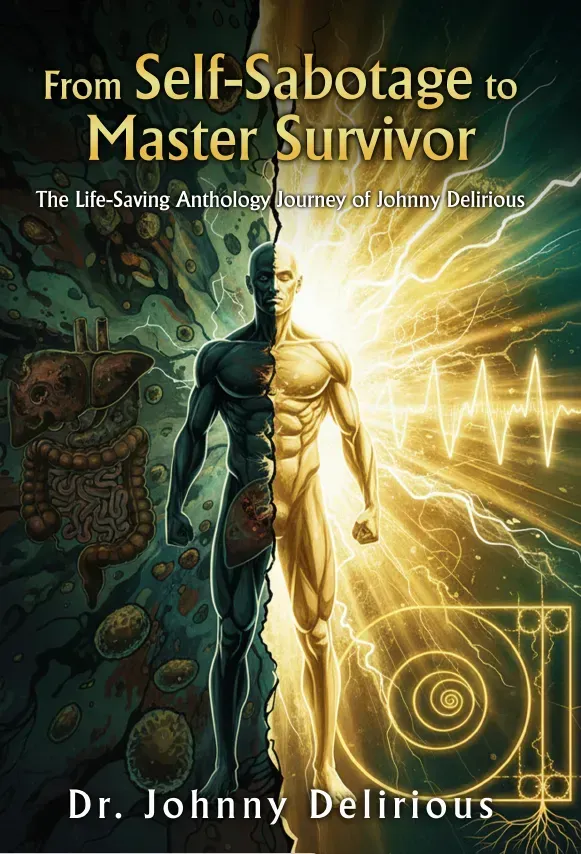
- From Self-Sabotage to Master Survivor (December 2025) for deeper emotional and spiritual recovery from chronic illness, expanding on themes explored in Dr. Johnny's holistic health bookstore
- Master Survivor University for structured meal plans, HTMA guidance, and ongoing support
Your liver is waiting for the right inputs. Give it the foods and the protocol it needs to rebuild.
Frequently Asked Questions About Foods That Heal the Liver
These questions address specifics not fully covered above, with practical answers rather than generic disclaimers.
Can the liver really regenerate after years of fatty liver?
Yes. Mild to moderate fatty liver can often improve within 3–12 months of consistent dietary change and 5–10% body weight reduction. Imaging studies and liver enzymes (ALT, AST) typically show measurable improvement. Advanced cirrhosis heals more slowly, if at all, and requires professional care alongside nutritional support. The healing process depends heavily on how early you intervene.
How much green tea or bone broth should I drink for liver support?
Aim for 1–3 cups of green tea daily and 1–2 cups of bone broth on most days. Adjust green tea for caffeine sensitivity, and track sodium in bone broth if you have blood pressure concerns. These drinks supply the vitamins, amino acids, and plant compounds your liver uses for repair and detox.
Are there specific foods that help if I have hepatitis B or C?
The same anti inflammatory, nutrient-dense healing foods apply: cruciferous vegetables, berries, wild fish, garlic, and bone broth all support healing and help fight infection. For those seeking more detail on natural approaches, Dr. Johnny shares his story and protocols in his hepatitis C resources, including Spanish-language guidance in "Curado de la Hepatitis C" and French-language guidance in "Hépatite C, Guérie". Green tea catechins may also inhibit viral entry into liver cells. However, these complement antiviral treatment, not replace it. Always coordinate with your healthcare provider.
Is coffee good or bad for the liver?
Black coffee in moderate amounts (3–4 cups daily) has been linked in multiple studies to reduced risk of cirrhosis progression and liver cancer. The benefit disappears with sweetened lattes and energy drinks loaded with sugar and additives. Stick to black or lightly brewed for genuine immune health benefits.
Where can I learn a complete natural protocol for liver repair?
Dr. Johnny Delirious's books offer structured, stepwise guidance that reflect the transformative messages in his holistic healing work. Hepatitis C, Cured covers case-study protocols, while From Self-Sabotage to Master Survivor addresses deeper recovery. Master Survivor University provides meal plans and HTMA-based programs. Continue seeing your healthcare provider for diagnosis and monitoring while using these best foods and protocols to support healing.