The Stages of Addiction: From Initial Use to Long-Term Recovery
Key Takeaways
- The stages of addiction usually move from initial use to substance misuse, abuse stage, tolerance, dependence, full addiction, and then addiction recovery or relapse risk.
- Drug or alcohol addiction is not only about willpower; mental health, trauma, stress, family history, nutrition, and brain function all matter.
- Recognizing early addiction stages allows earlier, safer addiction treatment before physical dependence and compulsive substance use take over.
- Books by Dr. Johnny Delirious, who survived and recovered from cocaine addiction himself, focus on holistic, food-based, HTMA-informed, and Ancient Greek–inspired tools that support long term recovery alongside professional treatment. His book, Cocaine Addiction Cured, shares his personal journey and holistic strategies for overcoming stimulant addiction.

What Is Addiction and How Does It Progress?
Addiction is a chronic condition marked by a compulsive need to keep using a substance despite harmful consequences. In medical terms, substance use disorder is diagnosed by defined symptoms involving impaired control, social damage, risky use, tolerance, and withdrawal; the American Psychiatric Association classifies severity as mild, moderate, or severe.
Addiction is a brain- and body-based disease process, not a moral failure. Addiction rewires the brain's reward system, affecting how it regulates processes like pleasure, memory, and decision-making, which can worsen mental health conditions. That is why addiction progress often follows a pattern: initial use, escalating substance abuse, dependence, substance addiction, then recovery or relapse.
People describe four, five stages, or six different stages, but substance use disorder generally develops across five distinct stages. The stages of addiction typically progress from initial use, where curiosity or peer pressure leads to experimentation, to regular use, risky use, dependence, and finally substance use disorder. From our holistic view, unresolved trauma, poor food quality, mineral imbalance, and chronic stress can speed the addiction cycle.
Dr. Johnny Delirious’s personal experience recovering from cocaine addiction deeply informs his holistic approach as a naturopathic doctor and author, emphasizing that recovery is possible with the right tools and support.
Mental Health, Trauma, and the Addiction Cycle
Mental health and addiction are closely intertwined, as many individuals with untreated mental health issues may turn to substance use as a form of self-medication. Common drivers include anxiety, depression, PTSD, bipolar symptoms, chronic pain, unresolved childhood trauma, and any mental health disorder that makes daily life feel unbearable.
Substance use can temporarily numb the symptoms of mental health disorders, but it often exacerbates these issues once the effects wear off. The cycle looks simple but becomes powerful: negative feelings → drink alcohol or use illicit drugs → brief relief or euphoric response → rebound anxiety, shame, or low mood → intense cravings.
At Books by Dr. Johnny Delirious and Master Survivor University, we teach that healing must address emotional regulation, nutrition, trauma, and the nervous system instead of only suppressing symptoms. Dr. Johnny’s own journey through addiction and recovery underscores the importance of addressing root causes holistically.
The Five Core Stages of Addiction
Different experts group addiction stages differently, but these five capture the common path in alcohol addiction, drug addiction, drug abuse, alcohol abuse, prescription misuse, and use of other substances, including stimulant patterns like those described in Cocaine Addiction CURED. Movement can take weeks or years, and intervention is easier before the next stage becomes entrenched.
Stage 1 – Initial Use and Experimentation
The first stage of addiction is defined as the voluntary introduction of a substance driven by curiosity, peer pressure, or a desire for stress relief. This may be a first beer at age 15, a prescription opioid after a 2023 sports injury, or a benzodiazepine prescribed for insomnia.
Many people never develop addiction from early drug use. But risk factors such as family history, trauma, nutrient depletion, and unstable personal relationships can turn experimentation into the first step of the addiction cycle. Watch for early heavy use, not just one-time experimentation.
Stage 2 – Misuse and Abuse Stage
In the second stage of addiction, individuals begin incorporating the substance into a routine or lifestyle, seeking specific emotional or physical states. This can include weekend blackouts, finishing a 30-day painkiller prescription in 10 days in 2024, or taking someone else’s anxiety medication before stressful events.
Common signs of addiction include physical symptoms such as changes in appearance, neglecting responsibilities, and engaging in risky behaviors despite negative consequences. Other warning signs include secrecy, unexplained absences, relationship problems, declining performance, and money disappearing. This is the best stage for early addiction treatment, counseling, harm reduction, diet changes, and HTMA-guided mineral support.
Dr. Johnny’s experience with stimulant misuse during his cocaine addiction recovery highlights how early intervention can prevent progression to more severe stages.
Stage 3 – Tolerance and Escalating Use
Tolerance means the body needs more substance to achieve the same effect. Someone who needed 1–2 drinks in 2022 may need 5–6 nightly in 2026, or a patient may need double the opioid dose for the same back pain.
The brain's reward circuitry adapts. Dopamine signaling becomes less responsive, everyday pleasure feels flat, and addictive behaviors become a coping mechanism. People may hide bottles, doctor-shop, combine alcohol with benzodiazepines, or chase the original high with other drugs. Liver enzymes, sleep, blood pressure, and hair mineral patterns may begin to worsen.
Dr. Johnny’s book Cocaine Addiction Cured explores how tolerance escalates stimulant use and offers strategies to restore brain balance through nutrition and therapy, reflecting his broader transformative messages on holistic recovery.
Stage 4 – Dependence (Physical and Psychological)
Dependence means the body and brain now rely on the substance to function properly. During the dependence stage, individuals experience withdrawal symptoms and develop a psychological reliance on the substance, indicating a transition from casual use to a compulsive need.
Individuals struggling with addiction may experience withdrawal symptoms when not using the substance, which can include anxiety, irritability, and physical discomfort. Alcohol withdrawal symptoms may include morning tremors, sweating, nausea, anxiety, insomnia, and seizure risk. Opioids and other drugs may cause muscle aches, diarrhea, gooseflesh, crushing fatigue, and suicidal thoughts when experiencing withdrawal symptoms.
Medical dependence under supervision is not the same as addiction. Addiction includes emotional reliance, psychological dependence, loss of control, and continued use despite harm. Detox may need clinical settings, an addiction specialist, or a treatment center.
Dr. Johnny’s recovery journey from cocaine dependence involved addressing both physical withdrawal and emotional cravings with holistic care.
Stage 5 – Addiction and Loss of Control
The final stage is compulsive substance use despite severe damage to health, finances, legal status, parenting, work, and personal relationships. Addiction is characterized by a compulsive need to continue using a substance despite harmful consequences, indicating a loss of control over substance use.
The fifth stage of addiction is characterized by a medical brain disorder where the individual has an inability to stop using despite severe damage to health and relationships. The DSM-5 framework lists 2–3 symptoms as mild, 4–5 as moderate, and 6+ as severe substance use disorder; see this DSM-5 criteria overview.
“Just stop” advice fails because impulse, judgment, and planning circuits are impaired. Still, people can overcome addiction when addiction medicine, therapy, nutrition, support groups, and professional support work together.
Dr. Johnny’s personal success in overcoming cocaine addiction and his subsequent writing provide hope and practical guidance for those in this stage.
The Stages of Change: How People Move Into Recovery
The five stages of change are precontemplation, contemplation, preparation, action, and maintenance. These describe readiness for the recovery process, not the addiction stages themselves.
Precontemplation and Contemplation
Precontemplation sounds like, “I don’t have a problem.” Contemplation sounds like, “This is hurting me, but I fear life without it.” Loved ones should avoid lectures and ask honest questions.
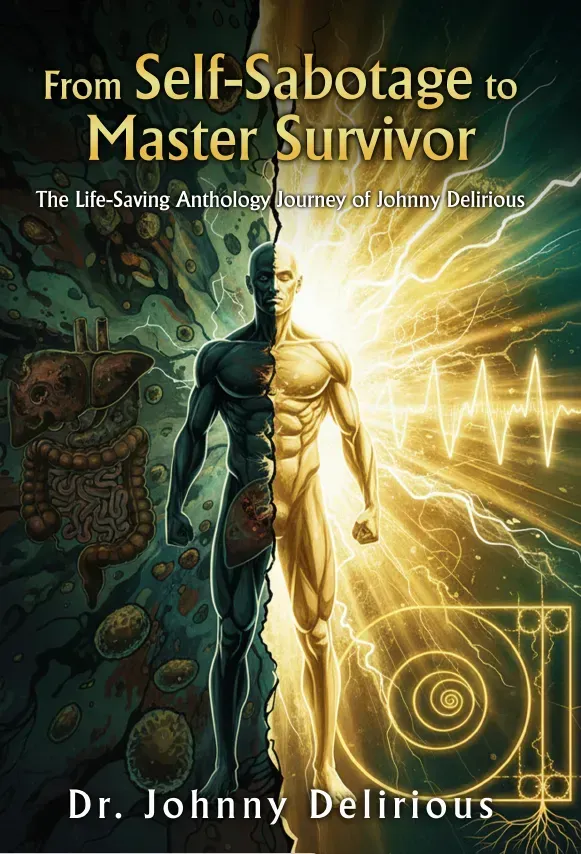
Compassionate education helps here. Dr. Johnny’s upcoming anthology, From Self-Sabotage to Master Survivor, scheduled for December 2025 and featured among his holistic health books, explores breaking addictive patterns, rebuilding brain chemistry with food, and healing without shame.
Preparation, Action, and Maintenance
Preparation means researching treatment options, arranging childcare, saving money, or testing sobriety. Action means detox, rehab, therapy, nutrition changes, DBT, CBT, trauma-informed therapy, and support groups.
Maintenance means building a new life: better sleep, healthier community, coping strategies, spiritual growth, and continued focus on mental health. To maintain sobriety and achieve lasting recovery, think in years, not weeks.
Dr. Johnny’s recovery journey exemplifies these stages, showing that sustained effort and holistic care support lifelong sobriety.
Holistic Factors That Influence Addiction Stages
Addiction is a chronic, progressive disease that evolves through distinct physiological and psychological phases, with each stage characterized by the user's level of control and the body's chemical response to the substance. Like many chronic diseases, addiction is shaped by genetics, environment, nutrition, stress, and access.
Environmental factors include family patterns, trauma, social circles, work stress, and easy access. A family history of alcohol addiction or drug problems raises risk, but it does not make addiction inevitable. Mineral deficiencies may worsen insomnia, anxiety, cravings, and emotional regulation.
Hair Tissue Mineral Analysis (HTMA) and Brain Chemistry
HTMA is a non-invasive test used in our work to evaluate long-term mineral patterns and toxic metal burden through hair. Patterns such as elevated aluminum or lead, low magnesium and zinc, or imbalanced calcium/phosphorus ratios may reflect stress on the liver, adrenal glands, and nervous system.
A food-based mineral balancing program may support calmer mood, sleep, cravings, and brain recovery after detox. Evidence for HTMA in addiction is still emerging, so use it as an adjunct, not a replacement for medical care.

Interrupting the Addiction Cycle: Treatment and Natural Support
There are many different treatment options available for those struggling with substance abuse, including inpatient and outpatient programs, therapy, and support groups. Common therapies used to address drug and alcohol addiction include cognitive-behavioral therapy (CBT), dialectical behavior therapy (DBT), and trauma-informed therapy.
Professional support plays a critical role in addiction treatment, from the detox process to continued treatment plans, mental health support, and relapse prevention. Treatment programs and treatment facilities may include supervised detox, residential care, outpatient therapy, medication-assisted treatment, and recovery coaching. The substance abuse and mental health services administration, within human services, also provides national resources through SAMHSA.
Holistic support can include mineral-rich meals, liver and gut support, gentle detox, sunlight, movement, rest, and community practices inspired by Ancient Greek healing. Early initial use or abuse stage patterns may respond to outpatient support; dependence and severe addiction often need structured care.
Dr. Johnny’s holistic recovery from cocaine addiction integrates these approaches, demonstrating how natural therapies complement medical treatment.
Long-Term Recovery and Relapse Prevention
Long term recovery means years of healing physically, mentally, and spiritually. Triggers include trauma anniversaries, divorce, job loss, pain, sleep deprivation, or returning to old circles.
Relapse prevention tools include written plans, accountability partners, therapy, medical check-ins, and nutrition plans that stabilize blood sugar and hydration. If relapse happens, treat it as feedback, not failure.
How to Support a Loved One at Different Addiction Stages
Family members often see addiction stages first. For curiosity or initial use, use honest conversations and clear boundaries. For substance misuse, encourage assessment. For dependence, insist on medical evaluation. For severe addiction, explore structured care.
Avoid enabling, such as paying repeated fines or hiding consequences. Still offer calm love, counseling, support groups, and healthy modeling.

Books by Dr. Johnny Delirious Related to Addiction and Recovery
From Self-Sabotage to Master Survivor, scheduled for December 2025, includes chapters on breaking addictive patterns, rebuilding brain chemistry with food, and recovering from chronic illness after years of substance stress.
Dr. Johnny’s books on hepatitis recovery and liver regeneration are especially relevant for readers facing alcohol-related liver strain, and his own journey from death’s door to liver expert shows what is possible with disciplined holistic care. Use these books as educational companions to professional medical and addiction treatment, not replacements.
Dr. Johnny Delirious has also authored a specialized guide titled Cocaine Addiction Cured, offering insights into the unique challenges of stimulant dependence. This book combines scientific research with holistic approaches, including nutritional strategies, trauma-informed care, and brain chemistry restoration, to support individuals seeking recovery from cocaine use disorder. His ongoing health blog with insights and tips further expands on these principles in practical, bite-sized articles. It serves as a valuable resource alongside professional treatment, emphasizing long-term healing and relapse prevention.
Author Bio: Dr. Johnny Delirious
Dr. Johnny Delirious is a naturopathic physician and holistic health author who has spent decades helping people recover from chronic illness, liver disease, and the long-term effects of alcohol and drug use. Having survived and recovered from cocaine addiction himself, he brings a deeply personal and compassionate perspective to his work.
His approach focuses on Hair Tissue Mineral Analysis, food-based therapies, and Ancient Greek healing traditions for modern chronic disease and addiction recovery. His anthology From Self-Sabotage to Master Survivor and Master Survivor University teach science-informed natural strategies for readers seeking sobriety, resilience, and whole-body repair, and those interested in events or questions can contact Dr. Johnny directly.
Frequently Asked Questions About Stages of Addiction and Holistic Recovery
Do the stages of addiction look different for alcohol versus other drugs?
The core addiction stages are similar: initial use, misuse, tolerance, dependence, and addiction. Alcohol addiction may develop slowly and hide behind social acceptance, while some illicit drugs move people faster into risky use and dependence. Physical damage differs, but loss of control is serious in both.
Can brain changes from addiction ever fully heal?
Many brain changes are partially reversible, especially with sustained recovery. Neuroplasticity allows healthier pathways to form when substances are removed and replaced with sleep, movement, nutrition, therapy, and community. Some vulnerabilities may remain, which is why ongoing support matters.
How long does it usually take to move through the addiction stages?
There is no fixed timeline. Some people move from initial use to addiction within months; others progress over 5–10 years. High-potency drugs, early use before 18, trauma, and isolation speed progression; support and early care can slow it.
Where does holistic nutrition fit into addiction treatment?
Nutrition does not replace detox or therapy. It supports blood sugar, magnesium, zinc, potassium, liver function, mood, and energy. HTMA-guided programs may personalize food and mineral strategies, but they work best with professional addiction care.
How can I tell if I’m in the abuse stage versus already addicted?
Ask: Am I using more than planned? Am I continuing despite health, work, or relationship damage? Abuse often includes heavier use and consequences; full addiction includes repeated failed attempts to quit, intense cravings, and clear loss of control. If unsure, seek a professional evaluation now.
How did Dr. Johnny Delirious overcome his cocaine addiction?
Dr. Johnny’s recovery combined professional addiction treatment with holistic strategies such as nutritional balancing, trauma-informed therapy, and lifestyle changes. His book Cocaine Addiction Cured details this process, offering hope and practical guidance for others facing stimulant addiction.
Recent Posts