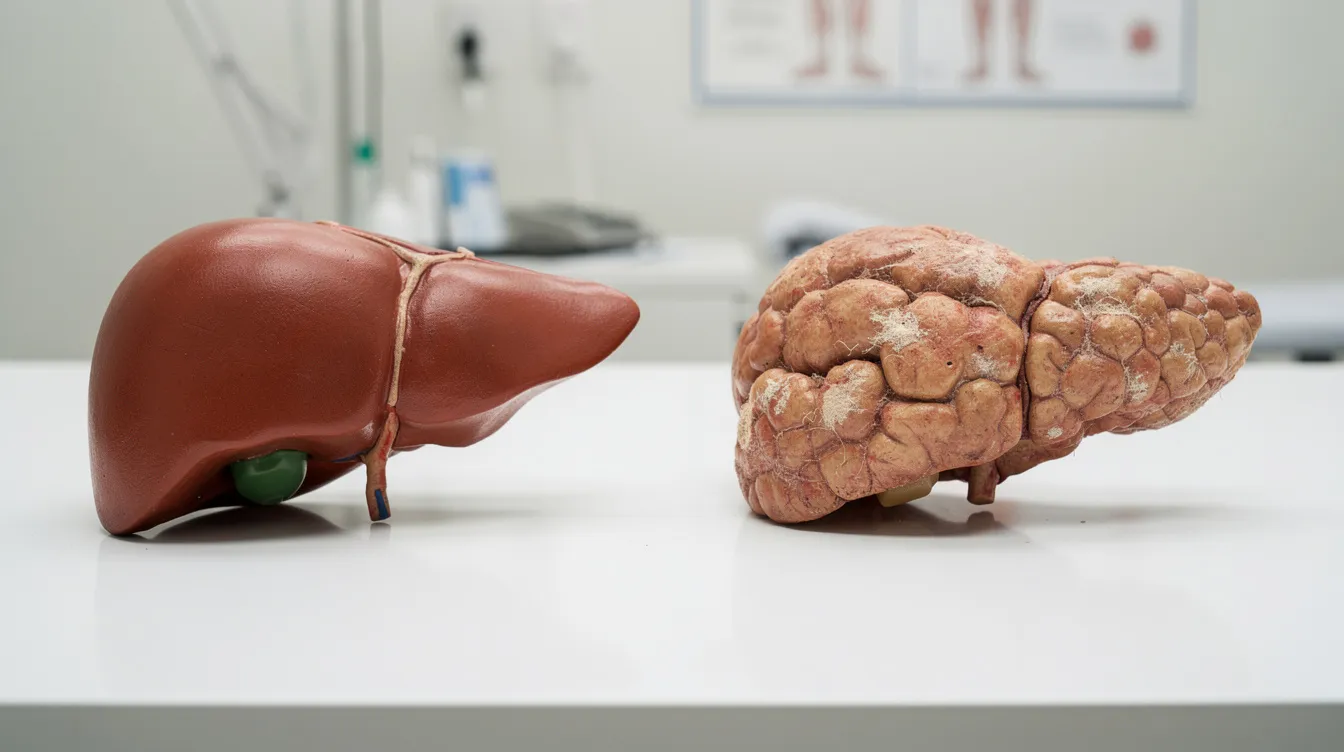
Why Conventional Hepatitis C Treatments Aren’t the Only Answer: A Holistic Roadmap
Since 2014, direct-acting antivirals (DAAs) have revolutionized hepatitis c treatment, achieving cure rates exceeding 95% in clinical trials. Yet many people who receive that “cured” label still experience fatigue, brain fog, joint aches, and sluggish liver markers months or even years after completing therapy.
At Books by Dr. Johnny Delirious, we do not advise anyone to refuse medical care. Instead, we demonstrate how food-based protocols and holistic strategies can strengthen the immune system and liver so the body can better eradicate or control virus infection. Dr. Johnny’s “Hepatitis Cured” book series, part of his broader collection of holistic health books, offers a case-based, food-centered approach built on Hair Tissue Mineral Analysis (HTMA), Ancient Greek healing principles, and modern nutritional science.
Key Takeaways
- Direct-acting antivirals cure over 95% of chronic hepatitis c patients, but 20-30% still report persistent symptoms like fatigue and brain fog post-treatment
- A complete hepatitis c holistic treatment plan includes targeted nutrition, mineral balancing via HTMA, detox-supportive lifestyle changes, emotional healing, and intelligent coordination with conventional medical treatments when chosen
- Zinc supplementation has been shown to help prevent liver deterioration and reduce the rate of liver cancer in people with hepatitis c, according to a study involving 267 individuals with chronic liver diseases
- Food-based protocols focus on removing viral “fertilizers” (processed foods, alcohol, industrial oils) while supplying raw materials for antiviral immunity
- Holistic therapies focus on supporting the body’s natural ability to heal itself, which can be beneficial for individuals managing hepatitis b and c
Understanding Hepatitis C in 2026
Hepatitis c is a blood-borne hepatitis c virus infection that inflames and slowly damages liver cells, often silently progressing for 10-20 years before symptoms like fatigue, jaundice, dark urine, and right-upper abdominal pain emerge. The World Health Organization estimates approximately 58 million people globally live with chronic hcv infection, while the U.S. CDC reports roughly 2-3 million Americans currently infected.
The difference between acute and chronic hepatitis c infection matters significantly. Only 15-30% of people spontaneously clear the hepatitis c virus within the first six months. The majority progress to chronic infection if their immune system remains unsupported.
Long-term risk factors of unmanaged chronic liver failure pathways include:
- Progressive fibrosis and liver cirrhosis
- Portal hypertension and ascites
- Hepatic encephalopathy
- Hepatocellular carcinoma (liver cancer)
These processes connect directly to mitochondrial damage, oxidative stress, and immune dysregulation—which explains why nutrient-dense, mineral-balanced, holistic care matters beyond simply eliminating viral RNA.

Why Conventional Hepatitis C Treatments Aren’t the Only Answer
Modern antiviral medications like sofosbuvir, velpatasvir, and glecaprevir/pibrentasvir represent remarkable advances. Common 8-12 week oral regimens achieve sustained virologic response (SVR) rates above 95% in randomized controlled trials. “Cure” in conventional terms means undetectable HCV RNA at 12 or 24 weeks post-treatment.
However, this definition differs from full-system restoration. Many virus infection patients report persistent issues even after achieving SVR:
| Post-Cure Symptom | Reported Frequency |
|---|---|
| Fatigue | 20-30% of patients |
| Brain fog | Common |
| Joint aches | Common |
| Digestive upset | Varies |
| Mood changes | Varies |
| The medication-only approach focuses on suppressing viral load but often ignores nutritional depletion, mineral imbalances, toxin accumulation, and unresolved emotional patterns. Interferon therapy, the older standard, had SVR rates of only 40-50% with severe side effects including flu-like symptoms, anemia, and depression. |
From our perspective, conventional antivirals can be powerful tools—but they’re only one tool. A holistic approach serves three reader types: those currently on DAAs wanting better tolerance, those post-treatment still feeling unwell, and those seeking natural treatments for cost, access, or belief reasons.
Inside Dr. Johnny’s “Hepatitis Cured” Book Series
The “Hepatitis Cured” series from Books by Dr. Johnny Delirious emerged from decades of clinical work with chronic liver disease patients and Dr. Johnny’s personal health recovery journey. These books function as practical self-help manuals using real case examples, before-and-after liver tests, and simplified meal frameworks.
The series synthesizes three pillars:
- Food-based therapies using whole foods, therapeutic broths, and targeted juices
- Mineral balancing through HTMA to identify hidden toxic metals and deficiencies
- Ancient Greek healing principles grounded in diet (diaita), daily rhythm, and purification (katharsis)
Readers learn to build 90-180 day food protocols featuring specific vegetables like beets, dandelion greens, and artichokes alongside liver-supportive fruits and clean proteins. Each volume walks through staging: stabilizing digestion, lowering liver congestion, rebuilding immune strength, then gently mobilizing stored toxins, echoing many of the practical insights shared in Dr. Johnny’s health and wellness blog articles.
How Food-Based Protocols Help the Immune System Fight Hepatitis C
The immune system requires raw materials—amino acids, healthy fats, vitamins A, C, D, E, B-complex, and minerals like zinc and selenium—to mount antiviral responses via T-cells, NK cells, and interferon pathways. Zinc and vitamin D levels can be affected by hepatitis c, and supplementation may help support the immune system.
A liver-focused food plan reduces viral “fertilizer” by removing:
- High-fructose corn syrup
- Industrial seed oils and trans fats
- Excess alcohol
- Ultra-processed foods driving fatty liver
The Mediterranean diet is noted for its protective effects on the liver, emphasizing fruits, vegetables, whole grains, nuts, and healthy fats like olive oil. Eating a well-balanced diet rich in whole grains, fruits, vegetables, and lean proteins can help improve liver function and lower the risk of liver cirrhosis in individuals with hepatitis c.
Research suggests that drinking three or more cups of coffee daily may improve liver health and reduce the risk of liver cancer in people with hepatitis c. High-quality proteins from pastured eggs, grass-fed meats, and wild fish provide building blocks for liver repair enzymes and glutathione production. Bone broths supply glycine and proline to regenerate connective tissue.
Proper hydration is essential for detoxification and can alleviate some antiviral long term treatment side effects, such as headaches and dry skin.

Hair Tissue Mineral Analysis (HTMA) and Hepatitis C
HTMA is a non-invasive lab test measuring mineral levels and toxic metals in a small hair sample, providing a 3-4 month snapshot of the body’s mineral economy. This reveals patterns often missed in standard bloodwork:
- Chronic copper overload
- Low bioavailable zinc
- Calcium-magnesium imbalances
- Elevated aluminum, lead, or mercury
Dr. Johnny uses HTMA data to individualize mineral support through dietary supplements and food timing. For instance, targeted zinc supplements, selenium, and magnesium address deficits, while gentle copper elimination protocols support those with excess levels.
HTMA-guided programs minimize interactions by timing minerals away from DAAs when readers use conventional medical treatments. Over 6-12 months, repeated tests show objective shifts—declining toxic metals, normalizing mineral ratios—correlating with improved energy and liver panel trends.
Bringing in Ancient Greek Healing Principles
Dr. Johnny weaves Ancient Greek healing ideas into modern hepatitis c recovery. In this view, the liver isn’t merely a biochemical filter but a central organ of “vital fire,” influenced by emotional states, sleep-wake cycles, and environmental quality.
Hippocratic-style approaches emphasized seasonal eating, avoiding heaviness at night, and therapeutic use of bitter and aromatic plants. Practical applications include:
- Morning routines with warm lemon water and gentle stretching
- Midday main meals featuring bitter salads and healthy fats
- Early, lighter evening meals reducing nighttime liver congestion
These principles align with evidence on circadian rhythm protection, early bedtimes, and sunlight exposure—all supporting liver repair and immune balance through normalized cortisol and melatonin levels, and they are illustrated powerfully in Dr. Johnny’s journey from liver failure to expert healer.
Supportive Natural Therapies: What Helps and What to Approach Cautiously
No single herbal medicine or supplement has been definitively proven in large human trials to cure chronic hepatitis c infection. However, some natural remedy options support liver function when used intelligently.
Potentially supportive options:
- Milk thistle (silymarin): The most commonly used herbal supplements for liver disorders, including hepatitis c, although evidence on its effectiveness is mixed and more research is needed
- Turmeric: Has shown antiviral properties against hepatitis c in laboratory studies and may be a potential therapeutic agent for liver cirrhosis, but more human clinical biochemistry trials are necessary
- Licorice root extract (glycyrrhizin): Has been studied for potential to improve liver function and reduce liver inflammation in patients, although it does not reduce HCV levels and can cause high blood pressure
Approach with caution:
- Green tea extract (reported liver injury at high doses)
- Traditional Chinese herbal medicine formulas (potential interactions)
- Thymus extract and complex protocols without supervision
Natural remedies can be toxic to the liver or interfere with antiviral medications, so consultation with a healthcare provider is advised before starting any treatment. Colloidal silver, often promoted as a “cure,” risks kidney failure and liver problems and is not endorsed by our protocols. If you have questions about these principles or want clarification about our materials, you can reach out directly through Dr. Johnny’s contact page.
Integrating Holistic and Conventional Care for Hepatitis C
Books by Dr. Johnny Delirious supports informed choice and integrative medicine approaches. Integrating traditional medical treatments with complementary therapies can optimize liver health and enhance well-being for those with hepatitis b and c.
Readers on DAAs can use food-based protocols to stabilize blood sugar, reduce nausea, and support detox through smaller, frequent meals rich in easy-to-digest proteins and cooked vegetables.
Yoga, meditation, and massage therapy are holistic practices used to manage stress and physical discomfort associated with chronic illness. Some people with hepatitis b and c find that holistic therapies, such as acupuncture and massage therapy, help them feel better and improve quality of life.
Weight management through losing 5-10% of body weight can significantly reduce fat deposits in the liver and minimize scarring. For those who have cleared the virus, holistic protocols focus on repairing fibrosis, replenishing nutrient stores, and addressing lingering digestive diseases and fatigue, reflecting the broader transformative messages in Dr. Johnny’s books.

Lifestyle, Mindset, and Emotional Healing in Hepatitis C Recovery
Holistic management of hepatitis c focuses on supporting liver health and reducing symptoms like fatigue or stress through lifestyle adjustments and mind-body therapies. Managing hepatitis requires addressing the whole person.
Essential lifestyle shifts:
- Avoiding alcohol entirely is critical as it accelerates liver damage and may interfere with medication efficacy
- Eliminating recreational drugs and smoking, a step echoed in Dr. Johnny’s story of overcoming cocaine addiction and hepatitis
- Minimizing exposure to solvents, pesticides, and synthetic fragrances
- Consistent sleep (ideally 10pm-6am)
- Moderate movement and time in nature
Building a supportive network—online communities, therapists, or recovery groups—transforms emotional terrain, helping readers move from self-sabotage patterns toward the “Master Survivor” identity central to Dr. Johnny’s broader teaching philosophy, further explored in his Master Survivor personal transformation books.
Creating Your Own Holistic Hepatitis C Action Plan
This roadmap guides a 30-90 day starter plan:
Week 1-2: Baseline Assessment
- Gather labs (viral load, ALT, AST, GGT, bilirubin, platelets)
- Complete HTMA if available
- Keep symptom and energy log
Week 3-4: First-Stage Food Protocol
- Remove alcohol and ultra-processed foods
- Prioritize cooked vegetables and simple meals
- Add warm lemon water mornings and mild herbal tea at night
- Stabilize mealtimes
Month 2-3: Foundational Support
- Add vitamin c if needed, basic mineral support guided by HTMA
- Omega-3s from fish or quality oil
- Choose 1-2 lifestyle upgrades (evening screen curfew, 20-minute walks)
Schedule reassessment at 30, 60, and 90 days. For detailed protocols addressing treating hepatitis through food, explore Dr. Johnny’s “Hepatitis Cured” series.
Frequently Asked Questions About Why Conventional Hepatitis C Treatments Aren’t the Only Answer
Can holistic methods alone cure chronic hepatitis C?
While individual reports exist of people significantly lowering viral loads with intensive natural protocols, large controlled studies proving consistent “cure” without antivirals don’t yet exist. Our approach presents holistic methods as ways to strengthen defenses and support liver repair—not guaranteed substitutes for DAAs. Each reader must weigh risks with a qualified clinician, understanding that combining internal medicine approaches with strong nutritional foundations often proves most pragmatic. Evidence for full viral eradication without drugs remains limited and individual.
Is it safe to use natural supplements while I’m on direct-acting antivirals?
Some herbs like St. John’s wort and high-dose green tea extract can interfere with DAA metabolism and should be avoided unless a practitioner explicitly approves them. Keep your supplement list simple during medical treatment, focusing on food-based support and gentle liver-friendly teas your prescribing doctor has reviewed. Bring all supplement bottles to appointments so potential interactions can be checked. Over the counter medications also require this screening.
How long does a holistic hepatitis C recovery program take to show results?
Some readers notice less bloating, better sleep, or improved energy within 2-4 weeks, especially when alcohol and processed foods are removed. Meaningful changes in liver enzymes typically emerge over 3-6 months, while deeper fibrosis reversal unfolds over 12-24 months. View holistic healing as a multi-season project with regular labs and HTMA re-testing providing objective feedback. The persons enrolled in longer protocols often see the most substantial mineral rebalancing.
Can I drink coffee if I have hepatitis C and follow a holistic program?
Research suggests that drinking three or more cups of coffee daily may improve liver health and reduce liver cancer compared to non-drinkers among people with hepatitis c. In Dr. Johnny’s protocols, coffee can sometimes be included if tolerated, without severe anxiety or heart disease issues. Test your response regarding sleep, anxiety, and digestion, discussing use with your clinician if you have additional conditions. Experimental acute reactions should prompt immediate discontinuation.
How do I know if HTMA is right for me?
HTMA is especially useful for readers with unexplained fatigue, poor response to standard vitamins, suspected toxic metal exposures, or persistent symptoms despite “normal” bloodwork. An initial test at program start with follow-ups every 6-12 months tracks shifts as detox pathways improve. Work with a practitioner trained in interpretation—such as through Dr. Johnny’s materials at Master Survivor University—to understand patterns rather than over-reacting to individual numbers. Questions about hepatitis c questions and testing protocols are addressed in the book series, along with guidance on prevent hepatitis strategies and managing contaminated food exposure risks from the National Institutes recommendations and alternative treatments for viral hepatitis including hepatitis a and herbal remedy options, including Spanish-language hepatitis C recovery resources and French-language hepatitis C recovery resources.
Recent Posts