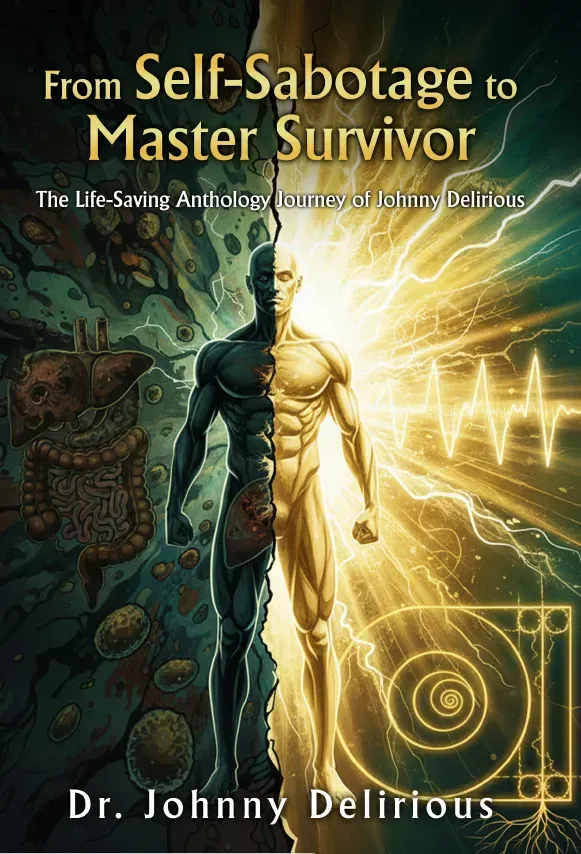
Overcoming Self-Sabotage: Building a Master Survivor Mindset
You know you need to change. You may even know exactly what to do. Yet something inside keeps pulling you backward-toward the junk food, the canceled appointment, the fight you started for no reason. This article is for the person who is tired of getting in their own way and ready to learn how to overcome self sabotage using a blend of psychology, holistic health, and daily practice.
Key Takeaways
- Overcoming self sabotage starts with recognizing specific behavioral patterns like procrastination, picking fights, and harsh negative self talk-not by adding more willpower.
- Self sabotage is often rooted in childhood experiences, negative core beliefs, and low self esteem, but these can be rewired through self awareness, compassionate discipline, and holistic practices.
- Building a "Master Survivor" mindset means learning to step out of your own way daily, using tools such as positive affirmations, journaling, mindful self-observation, and open communication in relationships.
- Supporting mental health through food-based therapies, nervous system regulation, and mineral balancing (like HTMA) can reduce anxiety and self-destructive urges.
- Books by Dr. Johnny, including the upcoming anthology From Self-Sabotage to Master Survivor (December 2025) and Master Survivor University programs, offer structured guidance for overcoming self sabotage and chronic health struggles.
Allow Yourself to Cross the Threshold into a Bigger Life
Picture this: you've finally found a holistic healing protocol that makes sense. You've ordered the supplements, cleaned out the pantry, and told a trusted friend about your plan. Three days in, your energy lifts. Your sleep improves. Then-without a clear reason-you skip a dose, order takeout, cancel next week's follow-up, and tell yourself it probably wasn't working anyway.
That moment, right at the edge of real change, is where self sabotage lives. It is the pattern of standing in your own way when you are closest to healing, success, or love. It shows up with particular force during chronic illness recovery and major life transitions, precisely when the stakes are highest.
Why? Because the brain labels the familiar as safe-even when familiar means pain, fatigue, or toxic relationships. You stay inside your comfort zone not because it feels good, but because it feels known. The "Master Survivor mindset" is the shift from automatic survival-running on old trauma patterns-to conscious survival: intentional choices aligned with your long-term well being.
Books by Dr. Johnny focuses on helping readers cross this threshold by blending holistic medicine, Ancient Greek healing traditions, and modern psychology into a single path forward, led by a Laboratory Naturopathic Doctor and author whose own healing journey informs these methods.
What Is Self-Sabotage? (And Why Smart People Do It)
Self sabotage refers to thoughts, emotions, and self sabotaging behaviors that undermine your long-term health, relationships, or goals-even when you consciously want the opposite. It is usually a misguided defense mechanism against fear, not a character flaw.
Common signs of self sabotage include procrastination on important tasks, "forgetting" medical appointments, skipping prescribed healing steps, picking fights when intimacy grows, binge eating while on a nutritional plan, or blowing savings during financial progress. Procrastination is a common form of self sabotage that disguises itself as "waiting for the right time." Perfectionism can halt progress due to unrealistic standards that guarantee you never finish-or never start.
In health and personal growth specifically, self sabotage occurs when someone stops a nutritional protocol the week it begins working, or abandons a supportive practitioner out of vague discomfort. A study of primary care patients found that about 6.6% admitted to deliberately sabotaging their own medical care-not just missing pills, but actively undermining progress.
Self sabotage is rarely laziness. It is a protective mechanism created by the nervous system to avoid perceived threats like failure, success, abandonment, or change. Overcoming it requires addressing negative self talk and negative core beliefs at their roots, not simply forcing more discipline on top.

Psychological and Childhood Roots: Why People Self-Sabotage
Self sabotage often starts as a child's survival strategy and later becomes an automatic adult habit. When a child is constantly criticized, emotionally neglected, or raised in chaos, they develop low self esteem and an "I am not enough" narrative that drives lifelong self-defeating choices. Fear of failure can paralyze individuals from taking action long before adulthood, and unresolved trauma from those years continues to influence current self sabotaging behaviors.
One of the most common familiar patterns is the "other shoe will drop" mindset: any good in life feels temporary, so people self sabotage pre-emptively to feel in control of inevitable disappointment. Self sabotage can stem from the desire to escape difficult emotions-if you end the good thing first, at least you chose the pain. Identifying the deeper fears behind self sabotaging behaviors reveals that repeating familiar pain (choosing similar unhealthy partners, sabotaging at work, ignoring medical advice) unconsciously feels safer than entering unknown healthy territory.
A 2024 ecological momentary assessment study tracking 15,098 real-time assessments found that momentary spikes in self critical thoughts-not just general personality traits-predicted self-destructive urges within two hours. This confirms that self sabotage starts in daily micro-moments, not distant personality flaws.
Past trauma-childhood or adult, emotional or physical-conditions the body to expect danger. Past traumas create a system where stepping toward wellness or intimacy triggers anxiety and sabotaging behaviors. Books by Dr. Johnny's work encourages readers to see these roots without shame, recognizing them as understandable adaptations that can now be updated—an idea explored in depth in the biographical journey Master Survivor – Beyond PhD.
Negative Core Beliefs, Low Self Esteem, and the Inner Saboteur
Negative core beliefs are invisible scripts: "I don't deserve health," "I always ruin things," "I'm broken." They are not facts but conditioned interpretations, often formed before age ten, stemming from early life experiences. These inner beliefs quietly direct choices and relationships from below the surface of self awareness.
Low self esteem and negative self talk interact in a vicious loop. Negative self talk undermines confidence and reinforces self doubt. The more someone calls themselves lazy, weak, or sickly, the more they behave in ways that match those labels. Low self esteem often leads to self sabotaging behaviors across every area of life, including relationships where people feel they do not deserve happiness.
The inner saboteur voice shows up in daily life: talking yourself out of a medical appointment, downplaying your progress, rejecting compliments about improving health, or whispering that you are a fraud-classic imposter syndrome that leads to undermining one's own success. This inner voice operates through negative thoughts and inner dialogue that feel like truth but are really old recordings.
Consider someone recovering from hepatitis who shifted from "I'll always be sick" to "My body can learn to heal," mirroring the principles in Dr. Johnny Delirious's liver healing journey. That single belief change-supported by consistent new experiences and self-compassionate self reflection-improved their adherence to a natural healing protocol and reduced the guilt spiral that previously derailed every attempt.
How Self-Sabotage Shows Up in Health, Relationships, and Work
People rarely self sabotage in just one area. Behavioral patterns tend to echo across health, love, money, and personal growth.
Health: Repeatedly abandoning treatment plans, ignoring test results, late-night scrolling instead of sleep, skipping key parts of natural healing protocols, or substance use to self-medicate. Self-isolation during stress prevents receiving help and support, which deepens the cycle. Avoiding feedback from practitioners indicates a fear of judgment and self worth issues.
Relationships: Self sabotage can lead to emotional withdrawal in relationships. It looks like picking fights when things feel close, testing partners to see if they'll leave, hiding your own needs instead of using open communication, or staying in unhealthy dynamics because "it's all I know." Fear of commitment often triggers self sabotaging behaviors, and people create conflict to maintain a sense of control. Low self esteem can cause individuals to self sabotage relationships before the other person gets a chance to leave first.
Work: Procrastinating on important tasks, missing deadlines, avoiding promotion opportunities, or undercharging for services. This is often driven by self doubt and unrealistic expectations that demand perfection before any action is taken.
Here is how one stressful week might unfold: a conflict at work triggers anxiety. Poor sleep follows. Energy drops, so healing protocol steps get skipped. Comfort food replaces the anti-inflammatory meals. By Friday, a fight with a partner erupts-reinforcing the belief "I'm weak, nothing changes." That domino effect shows how self sabotaging patterns cross every domain of your own life.
The Body–Mind Connection: Nervous System, Minerals, and Self-Sabotage
Self sabotage is not only "in your head." Your nervous system, minerals, liver, and hormones all influence how quickly you flip into survival mode. When the body is stuck in sympathetic dominance-fight, flight, or freeze-change itself feels physically unsafe.
Chronic stress, viral infections like hepatitis A, B, or C, or long-term inflammation can keep the body locked in a defensive state, making new habits feel threatening rather than exciting. This is not weakness; it is biology working against intention.
Hair Tissue Mineral Analysis (HTMA) offers a window into long-term mineral patterns-calcium, magnesium, copper, zinc-that directly influence mood, energy, and stress resilience. For example, low magnesium paired with high copper often correlates with anxiety, impulsivity, and brain fog: states that make people far more prone to self sabotaging healthy routines—topics explored further in Dr. Johnny's holistic health blog insights.
Integrating food-based therapies-mineral-rich broths, liver-supportive herbs like milk thistle and dandelion, anti-inflammatory foods rich in omega-3s-serves as a stabilizer that makes new habits easier to stick to. When the body has what it needs, the mind follows more readily.
Books by Dr. Johnny's resources guide readers in using HTMA and natural protocols to support mental health and reduce the intensity of self sabotaging urges, especially for those recovering from chronic illness.

Building a Master Survivor Mindset: Core Principles
A Master Survivor is someone who has endured hardship yet chooses daily actions that support life-not just survival. This mindset is built on several interlocking principles.
Radical self-honesty means seeing your patterns clearly, without denial or exaggeration. Compassionate discipline replaces the punishing inner voice with firm kindness: you hold yourself accountable without cruelty. Small consistent actions matter more than dramatic overhauls, because consistency is more important than perfection in reaching personal goals. Breaking goals into smaller steps fosters progress and self confidence without the paralysis of unrealistic standards. Setting achievable goals builds self esteem and reduces self sabotage over time.
Master Survivors supervise their own mind. They notice negative self talk, pause, and deliberately respond with more accurate, respectful thought patterns. Expected discomfort when trying new things is recognized as a normal part of the growth process-not proof of failure. Tolerating uncomfortable emotions is necessary for personal growth and a sign that you are moving beyond old limits.
Setbacks become data. Instead of "proof I'm doomed," a relapse in diet or a fight with a partner becomes information about triggers and skill gaps. The upcoming anthology From Self-Sabotage to Master Survivor (December 2025) by Books by Dr. Johnny is designed to train this mindset through real cases, holistic science, and simple daily practices.
Step 1: Notice Your Behavioral Patterns Without Shame
Start today: commit to one week of observation, not perfection. Your only job is to map your self sabotaging habits.
Keep a small notebook or phone note where you record when you procrastinate, pick fights, skip self care, or mute your feelings. Tracking emotional states can help in identifying self sabotaging patterns you may not have noticed before. Identifying triggers-specific situations, times of day, or body sensations like a tight chest before avoiding a healing action-helps in recognizing self sabotaging behaviors with precision.
Awareness of self sabotaging thoughts is crucial for changing behavior. Examining past instances of self sabotage can illuminate patterns in behavior that repeat on autopilot. The tone of this practice should be curious and compassionate, like a detective, not a judge. Punishing yourself for noticing sabotage only reinforces low self esteem.
Anchor this practice to a daily ritual-perhaps right after brushing your teeth or before bed-so it becomes automatic. Even five minutes of honest observation begins to loosen patterns that have run unchecked for years.
Step 2: Transform Negative Self Talk and Core Beliefs
Behavior follows belief. To stop self sabotaging, you must work directly with your inner language and negative beliefs. Self compassion helps break the cycle of self criticism that fuels most sabotaging actions.
Start by identifying three to five recurring negative self statements from your journal: "I always ruin everything," "I don't deserve to heal," "I'm too old to change." Then create specific, believable positive affirmations that directly challenge each one. Positive affirmations can counter negative self talk effectively-but only when they feel achievable. "I am learning to care for my body, step by step" lands far deeper than a vague "I am perfect."
Practice self compassion through these affirmations: speak them aloud while looking in the mirror, write them daily, or record them as audio to play before sleep. Research shows that inducing self-compassion experimentally reduces identification with self-harm, while inducing self criticism strengthens it. Combining affirmations with balanced nutrition and deep breathing exercises helps them integrate more deeply, because a nourished nervous system absorbs new beliefs faster.
Step 3: Use Mindfulness, Journaling, and Ancient Practices to Break the Cycle
Breaking self sabotaging actions requires pausing the automatic chain between trigger, emotion, and reaction. Mindfulness practices help manage stress and reduce self sabotage by inserting a moment of choice into what was previously an unconscious reflex.
Try a simple three-minute mindfulness check-in: pause, notice your breath, name the emotion (fear, shame, anger), observe the urge to sabotage, and ask yourself, "What would future-me thank me for right now?" Deep breathing during this pause activates the parasympathetic nervous system and creates space between impulse and action.
Self reflection through journaling improves emotional well being. Use a two-column page: "thoughts and feelings" on one side, "behavior I chose" on the other. Fill it out after an episode of sabotage or a victory over it. Over weeks, the patterns become undeniable-and changeable.
Ancient Greek healing traditions offer surprising resonance here. The Asclepieia healing centers practiced evening reflection, sacred baths, walking in nature, and dream journaling as pathways to both physical and psychological healing. These practices calm the nervous system and create space for wiser choices-something modern neuroscience increasingly validates.

Step 4: Heal Relationship Sabotage with Open Communication
Self sabotage commonly appears in relationships through sudden withdrawal, picking fights over trivial issues, testing loyalty, or refusing to state needs clearly. Past trauma can lead to self sabotaging behaviors in relationships long after the original danger has passed.
Practice open communication using simple tools: "I" statements, naming feelings instead of blaming ("I feel scared of losing you, so I push you away"), and asking for reassurance without demanding mind-reading. Choose one relationship-partner, trusted friend, or practitioner-and practice one clear, honest conversation this week instead of acting out your fear indirectly.
Honest communication may initially feel more dangerous than sabotage. That temporary relief of avoiding the hard conversation fades quickly and leaves you more isolated. Over time, direct communication builds trust, intimacy, and a sense that you no longer need to protect yourself by destroying connection.
Master Survivor University teachings from Books by Dr. Johnny emphasize communication as a key survival skill for both emotional and physical healing journeys.
Supporting Mental Health Holistically While You Overcome Self-Sabotage
It is far easier to overcome self sabotage when your brain is nourished, your sleep is halfway stable, and your blood sugar is not constantly crashing. Cognitive Behavioral Therapy (CBT) can help address underlying issues of self sabotage, and setting realistic goals can prevent feelings of overwhelm-but these work best when your physiology cooperates.
Blood sugar swings, caffeine overload, and nutrient deficiencies amplify anxiety, impulsivity, and depressive thinking, which then feed difficult emotions and self sabotaging behaviors. Practical steps include regular meals with protein and mineral-rich vegetables, drinking enough water, gentle movement like walking, and a consistent bedtime-especially for those managing chronic illness.
Consider a Hair Tissue Mineral Analysis with a qualified practitioner to personalize mineral support, particularly if you have tried mindset work but still feel stuck, and explore holistic health books by Dr. Johnny that outline these approaches in detail. Books by Dr. Johnny materials integrate mental health with food-based therapies and liver support, with specific examples like hepatitis A, B, and C recovery plans that also reduce emotional volatility and help readers break free from repeating cycles.
From Self-Sabotage to Master Survivor: How Books by Dr. Johnny Can Help
You do not have to walk this journey alone or piece information together from random sources. The cost of staying stuck-physically, emotionally, relationally-is far higher than the investment in structured guidance.
The upcoming anthology From Self-Sabotage to Master Survivor (releasing December 2025) is a comprehensive guide blending science, HTMA insights, Ancient Greek healing, and step-by-step mindset practices. It features the transformative messages that Dr. Johnny Delirious is known for-direct, holistic, and rooted in real clinical experience.
Master Survivor University is an educational platform offering structured programs, teachings, and community support for people dealing with chronic illness, burnout, or repeating sabotage cycles, including resources like Dr. Johnny's hepatitis C recovery story in Spanish. For those distrustful of conventional approaches, these resources emphasize natural therapies, food-based protocols, and practical tools for daily mental health resilience.
Take one concrete action today: start a "Master Survivor" journal, join the mailing list, or reach out to Dr. Johnny directly, or mark December 2025 on your calendar. The moment you stop self sabotaging is the moment you stop standing in your own way and start building the life your future self will thank you for.
Frequently Asked Questions About Overcoming Self-Sabotage
Below are answers to the questions readers most commonly ask about how to overcome self sabotage and build lasting change, alongside perspectives echoed in testimonials from Dr. Johnny's readers.
How long does it take to overcome self-sabotage patterns?
Timelines vary significantly. Many people notice small shifts within two to four weeks of consistent self awareness, journaling, and behavior experiments. Signs of self sabotage may become less frequent as you learn to catch them earlier. However, deeper self sabotaging patterns linked to unresolved trauma or long-standing negative emotions may take months or even years of steady, compassionate work. The goal is progress, not a finish line.
Can I overcome self-sabotage on my own, or do I need professional help?
Many people make substantial progress using self-help tools like journaling, positive affirmations, and mindfulness, and some draw inspiration from recovery memoirs such as "Cocaine Addiction CURED". However, professional help from therapists, holistic practitioners, or structured programs like Master Survivor University is recommended when sabotage is tied to severe trauma, substance use, or chronic health crises. A professional can help you see blind spots and build confidence in areas where you keep getting stuck.
How do I know if I'm sabotaging my healing from chronic illness?
Common signs include repeatedly stopping helpful protocols without clear reason, skipping follow-up labs, ignoring diet recommendations while insisting nothing works, or "forgetting" medications and supplements only when progress begins. If you notice that you stop self care precisely when it starts helping, that is a strong signal worth examining with curiosity rather than guilt.
What if my family or partner keeps sabotaging my growth?
Others' reactions often reflect their own fear of change, not your unworthiness. Set clear boundaries, practice open communication about your goals, and seek outside support. You deserve happiness and can still build a Master Survivor mindset even if loved ones do not immediately understand. Sometimes the bravest act is choosing your own life direction while remaining compassionate toward those who are not yet ready.
How do Books by Dr. Johnny's resources differ from other self-help approaches?
Books by Dr. Johnny uniquely combine naturopathic medicine, HTMA mineral analysis, Ancient Greek healing traditions, and practical mindset training aimed specifically at people with chronic illness. Rather than treating mind and body as separate projects, these resources create a bridge between emotional healing and concrete, food-based therapeutic protocols-offering a holistic path that most conventional self-help programs overlook entirely.
Recent Posts