Homeopathy vs Holistic Medicine: What's The Difference?
If you have ever searched for natural ways to heal chronic illness, you have probably seen the terms "homeopathy" and "holistic medicine" used almost interchangeably. They are not the same thing. Understanding the difference can save you months of confusion and help you choose a healing path that actually fits your situation.
Key Takeaways
Holistic medicine is a broad philosophy of care that treats the whole person - mind, body and spirit - by addressing root causes through nutrition, herbal medicine, detoxification, emotional work and lifestyle changes. Homeopathic medicine, by contrast, is one specific therapy developed in the late 1700s. It uses the principle of "like cures like" and ultra-diluted natural substances to stimulate the body's self-healing responses. A holistic plan may include homeopathic remedies alongside multiple natural therapies, but homeopathy by itself is not holistic medicine.
At Books by Dr. Johnny Delirious and The Master Survivor programs, homeopathy is viewed as one optional tool inside a wider naturopathic medicine framework. The core focus is on food-based therapies, Hair Tissue Mineral Analysis (HTMA) and root cause healing - the kind of deep structural work that actually rebuilds health over time. Homeopathic products may be layered in when they fit the person, but they are never the sole strategy.
Here is a quick comparison of how holistic, homeopathic and conventional medicine each approach common health conditions:
- Chronic fatigue - holistic medicine assesses diet, mineral balance, toxic load, gut health and adrenal function. Homeopathy matches a constitutional remedy to symptom patterns. Conventional medicine typically runs standard bloodwork and may prescribe stimulants or antidepressants.
- Digestive issues - holistic practitioners investigate food sensitivities, microbiome health and stress. Homeopathic doctors select remedies mirroring specific symptoms like bloating or cramping. Conventional therapies focus on acid blockers, antibiotics or motility drugs.
- Immune system weakness - holistic protocols prioritize zinc, vitamin D, sleep and gut integrity. Homeopathy may address emotional resilience or acute flare-ups. Conventional medicine relies on vaccines, antivirals or immunosuppressants.
Explore Books by Dr. Johnny and The Master Survivor University for step-by-step holistic protocols that tie all of these threads together.

Holistic Medicine vs Homeopathic Medicine: The Core Difference
The simplest way to understand the distinction is this: holistic medicine is an overall philosophy of care, while homeopathic medicine is a single modality that can fit inside that philosophy. Holistic medicine connects mental, physical and emotional health into one treatment plan. It integrates evidence-based practices with complementary therapies - nutrition, herbal medicine, movement, emotional release work, spiritual practice, and even carefully chosen conventional treatments when appropriate. Homeopathy, on the other hand, is limited to prescribing homeopathic remedies based on symptom matching.
Many naturopathic doctors and integrative medicine clinics use homeopathic products as one tool among many, whereas a classical homeopath may only prescribe homeopathic remedies. Here is how the major systems compare:
- Holistic medicine - treats the entire person; uses nutrition, herbs, detox, lifestyle counseling, emotional work and conventional therapies as needed; emphasizes treating root cause
- Homeopathic medicine - matches ultra-diluted remedies to symptom patterns using "like cures like"; does not typically include diet or detox protocols
- Herbal medicine - uses plants with measurable biochemical constituents; dose-response pharmacology
- Naturopathic medicine - combines clinical nutrition, herbal medicine, lifestyle changes, sometimes homeopathy; naturopathy uses multiple natural therapies for healing
- Conventional medicine - diagnosis via labs and imaging, pharmaceuticals, surgery; often targets specific symptoms directly
What Is Holistic Medicine?
Holistic medicine views the person as an integrated system where mind, body and spirit interact. Healing happens when all three are brought back into balance. It evaluates emotional and lifestyle factors influencing health and considers environmental factors such as toxic exposure, water quality and household chemicals. Holistic approaches often include natural methods like herbs and nutrition, stress management, and even conventional medicine when the situation demands it.
In practice, holistic medicine looks like food-based therapies (anti-inflammatory diets, healing broths, targeted elimination protocols), herbal medicine, breathwork, sleep retraining, detoxification support, emotional release work and spiritual practices - all tailored to the patient. The aim is to uncover the root cause of health conditions: mineral imbalances, chronic infections, unresolved trauma, nutrient depletion, or toxic load. Many holistic practices have strong scientific support for specific conditions, though the effectiveness of holistic medicine varies by specific intervention.
Holistic medicine also uses modern tools. Hair Tissue Mineral Analysis and functional lab panels help map how the body is adapting to long-term stress, and understanding metabolic types and subtypes as recognized in HTMA patterns can make protocols far more precise. Dr. Johnny's approach is holistic in the classical sense, weaving Ancient Greek healing principles - diet, movement, rest, mindset - with modern science and case studies in hepatitis, chronic fatigue and viral overload. Holistic medicine aims to restore balance in the body rather than simply mask symptoms, a principle reflected in Dr. Johnny’s own journey from liver failure to holistic liver expert.

What Is Homeopathic Medicine?
Homeopathy was founded by Samuel Hahnemann in the late 1700s. Its central doctrine is the "law of similars" - a substance that causes symptoms in a healthy person can, in minute doses, treat similar symptoms in a sick person. Remedies are prepared through serial dilution and vigorous shaking (succussion). Common potencies like 30C or 200C may contain no measurable molecules of the original substance, yet homeopathic practitioners believe this process imparts healing energy or information to the remedy.
Well-known homeopathic remedies include Arnica montana for bruising and injury, Allium cepa for runny nose and tearing, and Nux vomica for symptoms of overindulgence. Homeopathic products are sold as pellets, drops, creams and combination remedies, often over the counter. Homeopathy is regulated by the FDA as over-the-counter drugs, though products are not reviewed for safety and efficacy the same way conventional pharmaceuticals are. Quality and formulation vary greatly by manufacturer.
The evidence picture is mixed. A 2023 systematic review of meta-analyses found significant positive effects for individualized homeopathy beyond placebo in several analyses, though results attenuated when restricted to high-quality trials. However, the NCCIH states there is little reliable evidence that homeopathy is effective for any specific condition. Australia's NHMRC concluded homeopathy is not effective for any health condition. Major reviews found homeopathy performs no better than placebo for most health concerns. Homeopathy lacks robust scientific backing for its efficacy, even as many patients and homeopathic practitioners continue to report clinical benefits.
How Holistic Medicine Works in the Real World
Holistic medicine looks at lifestyle, environment, stress, emotions and biochemistry as an interconnected web - not isolated symptoms. A realistic holistic intake process involves a comprehensive assessment: detailed health history, evaluation of diet and sleep patterns, inventory of toxin exposures, mapping emotional stressors and past trauma, and often basic labs or HTMA to reveal mineral patterns and adrenal function.
Treatment plans for chronic illness might combine:
- Dietary shifts (gluten-free, low-sugar, Mediterranean-style or targeted healing diets)
- Herbal medicine blends for liver, gut and immune support
- Detox support protocols for heavy metals or environmental chemicals
- Gentle movement and nervous system regulation techniques
- Emotional work addressing grief, perfectionism or self-sabotage patterns
Holistic medicine treats the whole person, not just symptoms, which means it often works slowly but deeply. The immune system, nervous system and organs are gradually strengthened rather than symptoms being suppressed quickly. Some holistic treatments are not covered by standard health insurance, which is worth factoring into your planning.
How Homeopathy Fits Inside a Holistic or Naturopathic Plan
Homeopathy can serve as one part of a broader holistic medicine plan. Naturopathic therapy is often considered part of holistic practices, and naturopathic medicine includes clinical nutrition and herbal medicine alongside other therapies. A naturopathic doctor might combine a homeopathic remedy with dietary changes, liver support herbs and stress reduction to address the same root cause from multiple angles.
Consider a typical pattern: someone with chronic eczema receives a homeopathic remedy matched to their symptom pattern (itching that worsens at night, dry cracking skin) alongside an elimination diet to remove dairy and gluten, milk thistle for liver support, and gut repair with bone broth and probiotics. The homeopathic remedy addresses the energetic symptom layer while the nutrition and herbs do the biochemical rebuilding, reflecting the same whole-person philosophy described in The Master Survivor University’s holistic healing and mental wellness guide.
Some practitioners find homeopathic medicine especially helpful for emotional patterns - fears, grief, perfectionism - that block progress with nutrition and lifestyle changes. At The Master Survivor University, homeopathy is presented as an optional accessory therapy. The core protocol is food-based healing, mineral balancing via HTMA and rebuilding organ reserves through naturopathic strategies.
Holistic vs Homeopathic vs Conventional Medicine
Each system uses a different map of the body and disease. Conventional medicine focuses on diagnosis through labs and imaging, then deploys pharmaceuticals and surgery to treat symptoms directly. Holistic medicine aims to restore balance via nutrition, detox and lifestyle adjustments. Homeopathy focuses on matching energetic symptom patterns with highly diluted natural remedies.
How each system approaches recurrent infections:
- Conventional therapies - cultures, antibiotics, antivirals; effective short-term but may not address why infections keep returning
- Holistic medicine - investigates digestive health, nutrient status, sleep quality, chronic stress, toxic metals; rebuilds the terrain so infections find less foothold
- Homeopathic medicine - selects remedies matching the person's constitutional type and the specific symptoms of their infections
Integrative medicine and integrative health try to blend the best of both worlds. Naturopathy focuses on identifying and treating root causes while still coordinating with conventional care for emergencies. Homeopathy may pose safety risks by delaying conventional medical treatments in serious situations. Dr. Johnny's work does not tell readers to abandon conventional care - it helps them rebuild the foundations that conventional medicine often overlooks, such as mineral balance, digestion and emotional resilience, which is especially critical in conditions like hepatitis where his expert guide to curing and managing hepatitis emphasizes both liver support and integrative care.

The Role of Herbal Medicine, Nutrition and HTMA in Holistic Care
Herbal medicine and food-based therapies differ fundamentally from homeopathic remedies. Herbs and foods contain measurable nutrients and phytochemicals that act biochemically in the body - there is a real dose-response relationship.
Practical examples of herbs used in holistic protocols:
- Milk thistle - supports liver regeneration and detox pathways
- Turmeric - reduces systemic inflammation
- Dandelion root - promotes bile flow and digestive health
- Lemon balm - calms the nervous system, supports sleep
- Garlic - antimicrobial, supports the immune system
HTMA allows practitioners to uncover metabolic type (fast or slow oxidizer), adrenal patterns, toxic metals like aluminum, lead and mercury, and hidden mineral deficiencies. Research comparing hair and blood mineral levels found roughly 80% concordance in healthy subjects, suggesting HTMA captures meaningful metabolic data when interpreted correctly. Adjusting calcium, magnesium, sodium and potassium ratios with targeted nutrition can shift sleep, mood and energy in ways that homeopathic medicine alone usually cannot achieve.
In Books by Dr. Johnny and The Master Survivor courses, HTMA-guided nutrition and herbs form the backbone of healing protocols, with homeopathy as a possible adjunct if the individual resonates with it, and readers can explore Dr. Johnny’s wider philosophy and titles through works like "Master Survivor – Alternative Healing Beyond PhD" alongside his collection of holistic health books.
Choosing a Practitioner: Homeopath, Naturopathic Doctor or Holistic Guide?
The practical differences matter. A classical homeopath primarily prescribes homeopathic remedies. A naturopathic doctor practices naturopathic medicine using clinical nutrition, herbal medicine, lifestyle counseling and sometimes homeopathy. Holistic practitioners or coaches may draw from various forms of alternative medicine without formal clinical training.
Key facts about educational background and licensing:
- Naturopathic doctors complete a four-year graduate program covering biomedical sciences, clinical nutrition, botanical medicine and physical manipulation
- Naturopathic doctors are licensed in 29 US states and territories
- Homeopathy lacks standardized education requirements in the US - training ranges from weekend courses to multi-year programs
- Holistic coaches and guides vary widely in training depth
Questions to ask before working with someone:
- What is your philosophy on root cause versus symptom management?
- How do you track progress - labs, HTMA, symptom journals?
- Do you integrate nutrition, detoxification and emotional work?
- How do you coordinate with conventional medicine and primary care?
Readers who prefer self-directed learning may benefit from educational resources like Books by Dr. Johnny, the transformational memoir "From Breaking Point to Breakthrough", and an introduction to Dr. Johnny Delirious as a naturopathic doctor and author before committing to one-on-one care.
How Dr. Johnny's Approach Blends Ancient and Modern Holistic Medicine
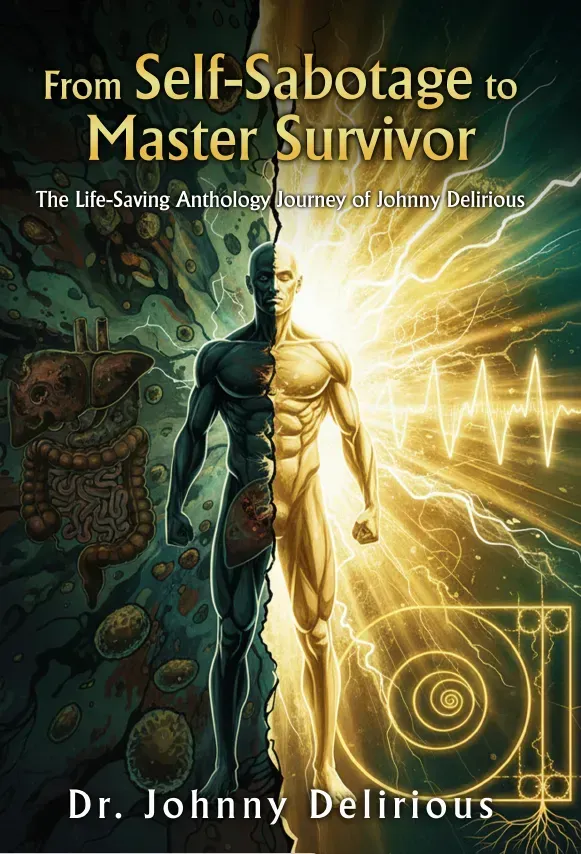
Books by Dr. Johnny Delirious combines naturopathic medicine, Ancient Greek healing traditions and modern lab tools like HTMA into a unified holistic system. The forthcoming anthology "From Self-Sabotage to Master Survivor" (releasing December 2025) includes protocols for chronic illness, hepatitis A/B/C recovery, and rebuilding the immune system with food-based therapies, complementing his detailed Hepatitis C cured memoir on cirrhosis recovery and liver detoxification and hepatitis C recovery narratives available in Spanish "Curado de la Hepatitis C" and French "Hépatite C, Guérie".
The Master Survivor programs guide readers to identify root causes - nutritional deficiencies, heavy metals, chronic infections, emotional sabotage - and correct them using stepwise lifestyle and nutrition changes rather than relying on supplements or homeopathic products alone, and the Master Survivor University premium health and wellness store offers the recovery programs, tools and biographies that support this work. Ongoing insights and tips from Dr. Johnny’s health blog can further support readers in applying these principles day to day. Homeopathic medicine is discussed as an optional tool, but the primary emphasis is on strengthening digestion, liver, kidneys and the nervous system so the body can heal regardless of which single modality is used. This approach serves as a bridge between holistic medicine, integrative medicine and existing healthcare, empowering people to understand and participate in their own healing.
Is Homeopathy Right For You, Or Do You Need a Broader Holistic Plan?
Consider your goals honestly. Are you looking for relief of specific symptoms, or are you ready for a full lifestyle transformation and deep root cause healing?
Homeopathic medicine alone might suit you if:
- You have mild acute issues (bruising, seasonal allergies, mild anxiety)
- You are highly sensitive to herbs, supplements or drugs
- You are drawn to energetic or pattern-based healing modalities
A full holistic or naturopathic medicine approach is usually more effective when:
- You have long-standing chronic illness or multiple health issues
- Several organ systems are involved (gut, liver, adrenals, immune system)
- You experience serious fatigue, autoimmune patterns or chronic infections
Personality and belief systems matter too. Some people resonate strongly with natural remedies in various forms, others prefer tangible nutrition, labs and structured protocols. A practical starting point: clean up your diet, support sleep and stress management, and learn your mineral patterns through HTMA before deciding how heavily to invest in homeopathic medicine. Alternative therapies work best when layered onto a solid nutritional and lifestyle foundation.
Books by Dr. Johnny help readers map out a clear holistic foundation so they can make more informed choices about whether to add homeopathic remedies later - or whether food, herbs and mineral balancing are enough on their own, especially with forthcoming works like the anthology "From Self-Sabotage to Master Survivor" and liver-focused memoirs such as "Hepatitis A, Cured" on cirrhosis recovery and liver detoxification.

Frequently Asked Questions About Homeopathy vs Holistic Medicine
Is homeopathic medicine considered holistic medicine?
Homeopathic medicine is one modality that can be used in a holistic way, but it is not the same as holistic medicine by itself. A holistic plan should address food, environment, sleep, stress, emotions and spiritual well being - which goes far beyond taking homeopathic remedies. Many holistic and naturopathic doctors use homeopathy within a broader treatment plan when it fits the patient's needs, alongside other therapies like traditional medicine practices, traditional Chinese medicine elements, or lifestyle changes.
Can I use homeopathic remedies together with conventional medicine?
Many people do use homeopathic products alongside conventional and alternative therapies, especially for minor symptoms or recovery support. You should always let your primary care provider know about all remedies you are taking to avoid interactions or confusion about symptoms. Serious, life-threatening conditions should always be managed in partnership with qualified medical professionals who can promote optimal health through comprehensive care, and those with specific questions about Dr. Johnny’s approach can reach out directly via his contact page.
How long does holistic medicine usually take to show results?
Timelines vary. Some people notice changes in energy, sleep or digestive health within a few weeks of nutritional and lifestyle changes, and many readers share in testimonials how these approaches transformed their health and perspective. Deep chronic illness may take 6 to 24 months of consistent work. Protocols based on HTMA and root cause work move in phases - stabilization, detoxification, rebuilding - and each phase can last several months. Holistic medicine focuses on rebuilding overall wellness, not quick symptom suppression.
Do I need lab tests like HTMA to benefit from Books by Dr. Johnny?
HTMA greatly improves personalization, but readers can still benefit from the general food-based, Ancient Greek-inspired lifestyle and detox strategies without immediate testing. The Master Survivor University provides guidance on when HTMA is most helpful and how to interpret patterns, and books like "Master Survivor, Beyond PhD" share the deeper backstory behind those methods. Those with complex histories - multiple medications, infections, toxin exposures - usually gain the most from adding HTMA to promote healing at a deeper level and promote optimal overall health.
Where should I start if I'm new to holistic medicine and homeopathy?
Begin with education. Read Books by Dr. Johnny to understand foundational principles of holistic medicine, mineral balance and food-based healing. Simple first steps: improve hydration, upgrade food quality, establish a regular sleep schedule and reduce obvious toxic exposures in your home using natural methods. If you want step-by-step guidance, consider a structured program through The Master Survivor University or tune into the Master Survivor radio show for health and wellness insights, then layer in homeopathic or other specialized alternative medicine therapies as needed.
Next Steps: Move From Confusion to a Clear Holistic Plan
The main difference between homeopathy and holistic medicine is scope. Homeopathy is one tool. Holistic medicine is the entire framework for healing the whole person - mind, body and spirit.
If you feel stuck in chronic health conditions, explore Books by Dr. Johnny Delirious, especially the anthology "From Self-Sabotage to Master Survivor" releasing December 2025. It is a roadmap for rebuilding health from the inside out using food-based therapies, HTMA-guided protocols and ancient healing wisdom. The Master Survivor University offers deeper courses and community support for applying these holistic principles to real-life challenges like hepatitis recovery, chronic fatigue and immune system collapse.
Visit Books by Dr. Johnny online today. Choose the book that matches your current struggle and take the first practical step toward a structured holistic healing journey. Your body already knows how to heal - it just needs the right foundation.
Recent Posts